Table of Contents Whether you’re planning your first visit or returning to explore more, Lake Manyara National Park Guide is an experience unlike any other.
- Lake Manyara National Park: Your Ultimate Safari Guide
- Understanding the Landscape & Wildlife of Lake Manyara
- Planning Your Safari: Best Time to Visit & What to Expect
- Exploring the Lake: Birdlife & Hippos
- Safari Activities & Options in Lake Manyara
- Accommodation & Accessibility to Lake Manyara National Park
- Final Thoughts on Lake Manyara National Park
Lake Manyara National Park: Your Ultimate Safari Guide: Lake Manyara National Park Guide
Lake Manyara National Park, nestled in the Great Rift Valley of Tanzania, is a truly remarkable destination for wildlife enthusiasts. This park offers a diverse ecosystem, boasting everything from lush groundwater forests to expansive grasslands and, of course, the shimmering alkaline waters of Lake Manyara itself. It’s a relatively small park, making it perfect for a day trip or a focused safari experience. This comprehensive guide will provide you with everything you need to know to plan an unforgettable adventure.
Understanding the Landscape & Wildlife of Lake Manyara
The beauty of Lake Manyara National Park lies in its incredible variety. The park’s geography is dramatically shaped by the Great Rift Valley. This creates a unique blend of habitats, supporting a wide range of animal and birdlife. The lake itself fluctuates in size, depending on rainfall, and attracts a spectacular array of bird species.
Habitats Within the Park
The park isn’t just about the lake. It encompasses five distinct habitats: groundwater forest, woodland, grasslands, acacia woodland, and the lake itself. Each area supports different species, creating a rich tapestry of life. The groundwater forest, fed by springs from the escarpment, is particularly lush and provides a haven for monkeys and birds.
Iconic Wildlife Encounters
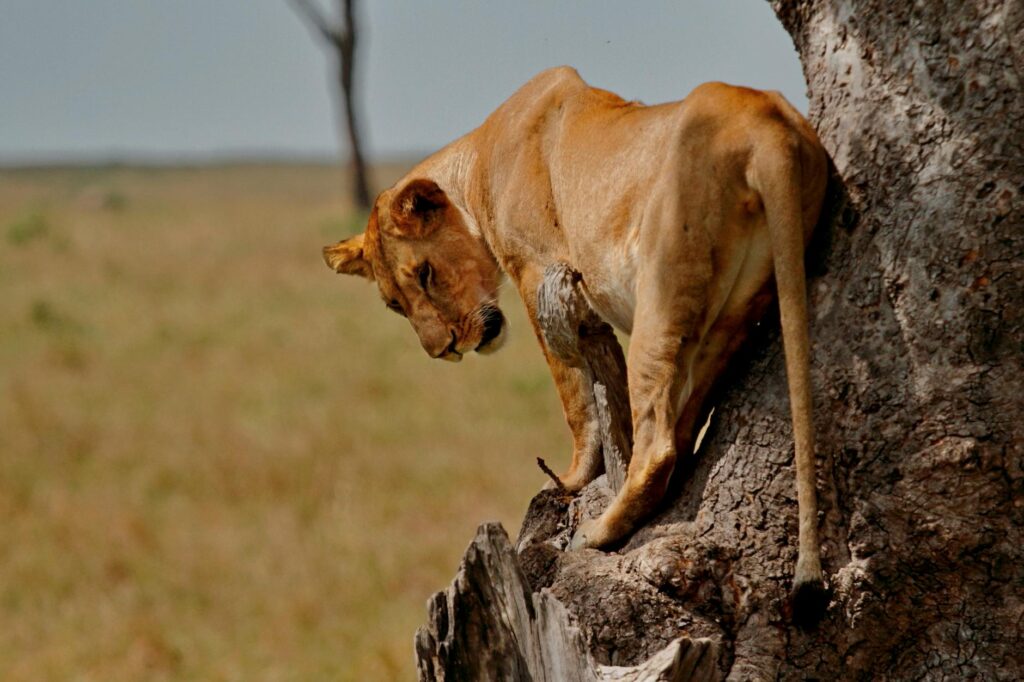
Lake Manyara National Park is famous for several iconic wildlife sightings. Perhaps the most well-known are the tree climbing lions Manyara. These lions are often seen lounging in the branches of acacia trees, a behaviour rarely observed elsewhere. You’ll also find large herds of elephants, giraffes, zebras, wildebeest, and a variety of antelope species. Tanzania National Parks Authority
Planning Your Safari: Best Time to Visit & What to Expect
Timing is crucial when planning a safari to Lake Manyara National Park. The dry season, from June to October, is generally considered the best time to visit. During this period, animals congregate around the lake and rivers in search of water, making them easier to spot. The vegetation is also less dense, improving visibility.
Dry Season vs. Wet Season
The wet season, from November to May, brings lush greenery and a different kind of beauty. However, the roads can become muddy and challenging to navigate. Animal sightings may be more dispersed as they have access to water sources throughout the park. Birdwatching is excellent during the wet season, as migratory birds arrive to breed.
What to Pack for Your Trip
Essential items to pack include lightweight, neutral-coloured clothing, comfortable walking shoes, a hat, sunglasses, sunscreen, insect repellent, and a good pair of binoculars. Don’t forget your camera to capture the incredible wildlife! A light jacket or sweater is recommended for early morning and evening game drives, as temperatures can drop.
Exploring the Lake: Birdlife & Hippos
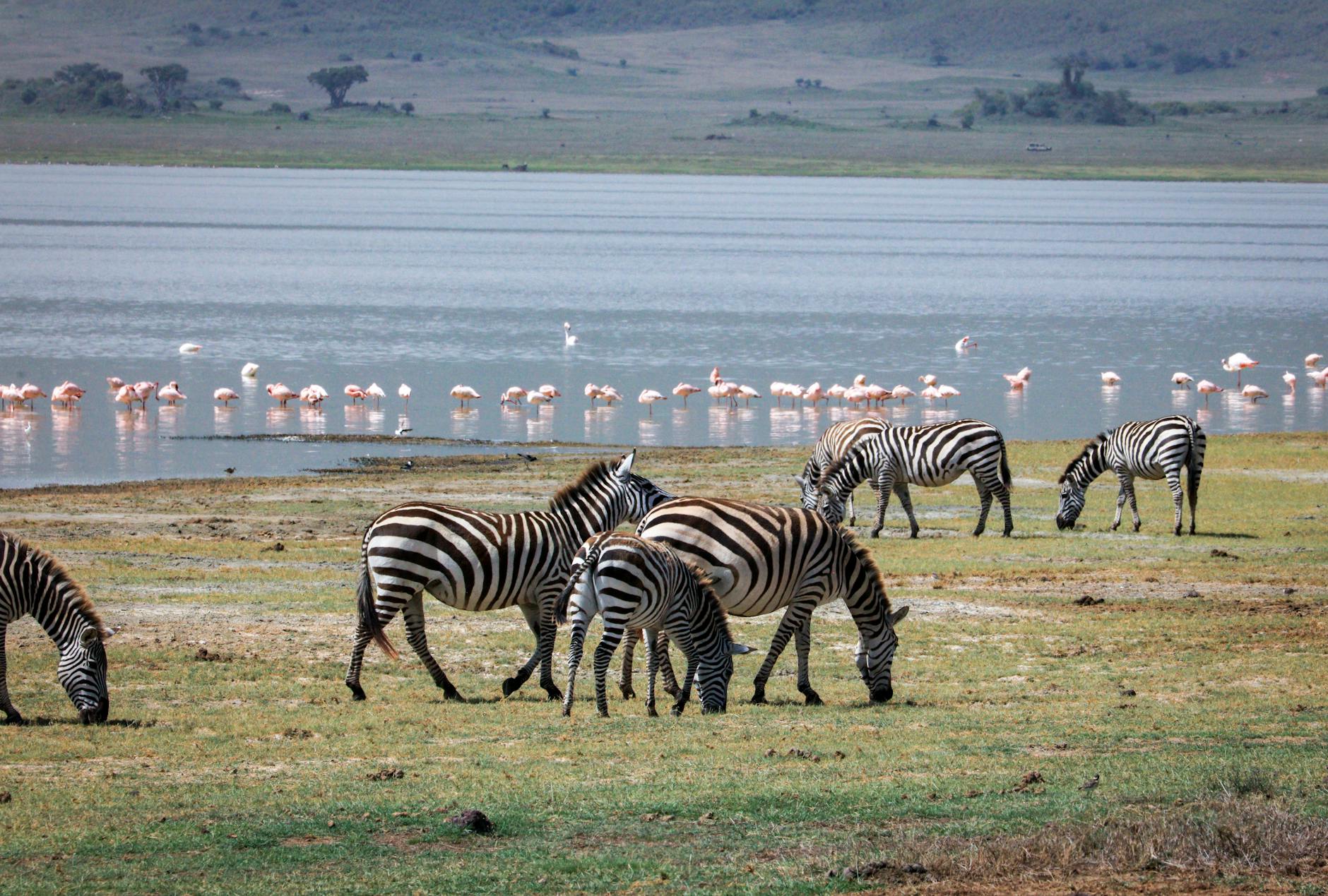
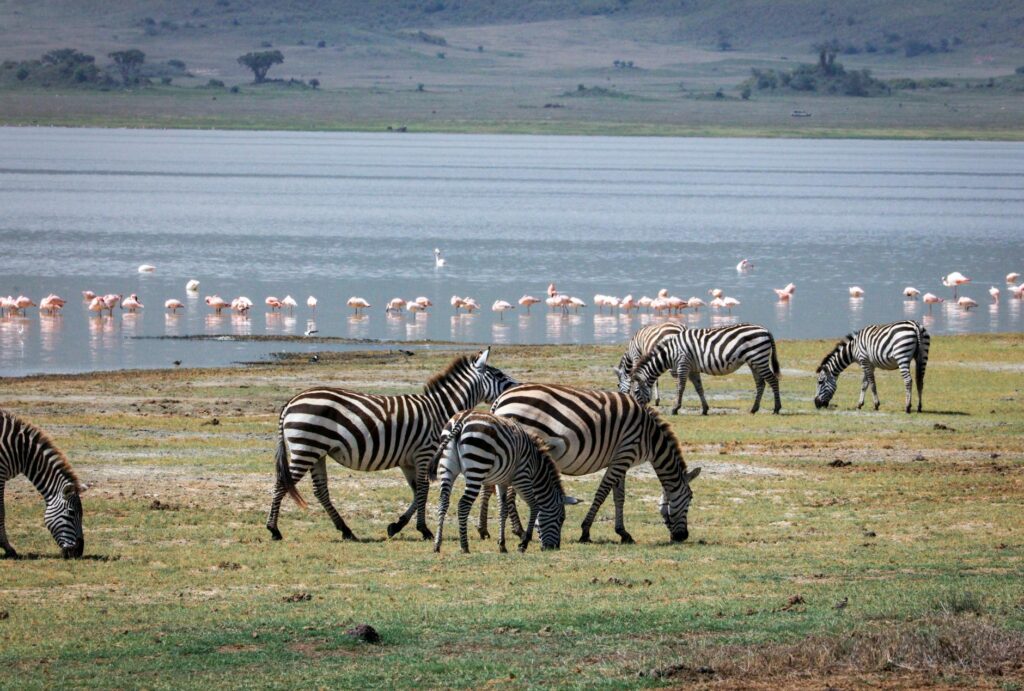
The lake itself is a focal point of the park, attracting a phenomenal number of birds. Flamingos Lake Manyara are a particularly stunning sight, often congregating in large flocks, turning the water a vibrant pink. The lake also supports a diverse range of other bird species, including pelicans, storks, and cormorants.
Birdwatching Paradise
Lake Manyara is a birdwatcher’s paradise, with over 400 species recorded. The shallow waters and abundant vegetation provide ideal feeding and breeding grounds. Bring your bird guide and binoculars to identify the many colourful and fascinating species you’ll encounter.
Hippo Haven
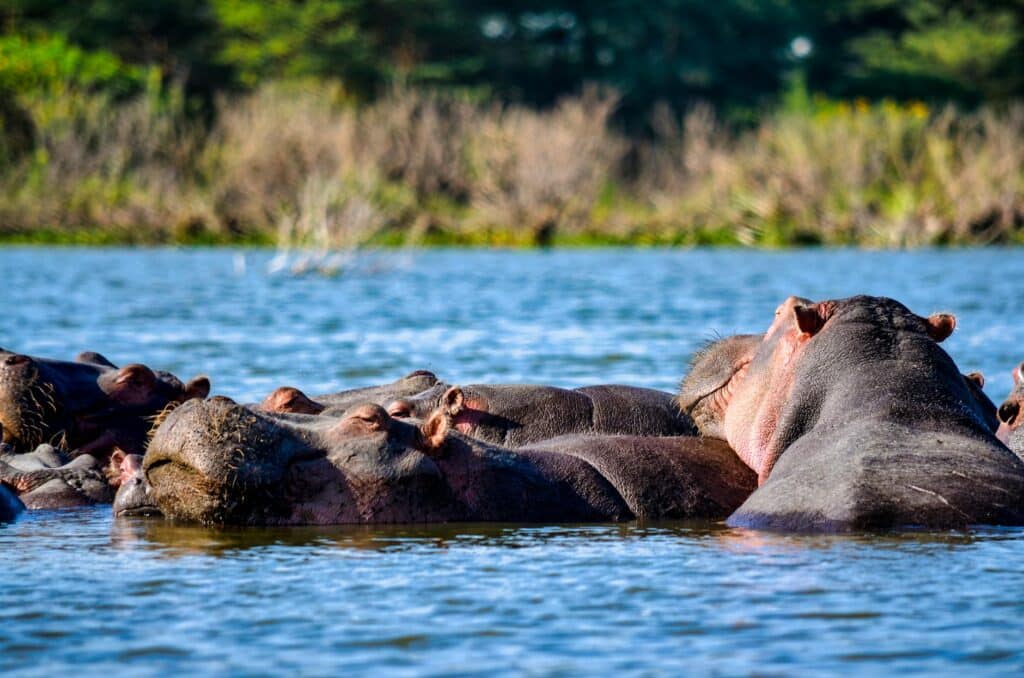
The lake is also home to a significant population of Lake Manyara hippos. These massive creatures can often be seen wallowing in the water or grazing on the shores. Be sure to maintain a safe distance, as hippos are powerful and potentially dangerous animals. Boat trips on the lake offer a unique perspective on the hippo population.
Safari Activities & Options in Lake Manyara
Beyond traditional game drives, Lake Manyara National Park offers a variety of safari activities. These options cater to different interests and preferences, allowing you to experience the park in a unique way.
Game Drives: Day & Night
Game drives are the most popular way to explore the park. Day game drives offer excellent opportunities to spot wildlife during peak activity hours. Night game drives, permitted in certain areas, provide a chance to see nocturnal animals, such as bushbabies and genet cats. A skilled guide is essential for both day and night drives.
Walking Safaris & Canoe Safaris
For a more immersive experience, consider a walking safari. These guided walks allow you to get closer to nature and learn about the park’s flora and fauna from a different perspective. Canoe safaris on the lake offer a peaceful and unique way to observe birdlife and hippos. These activities require pre-booking and are subject to park regulations.
Accommodation & Accessibility to Lake Manyara National Park
There are a range of accommodation options available near Lake Manyara National Park, catering to different budgets and preferences. From luxury lodges to budget-friendly campsites, you’ll find something to suit your needs.
Lodges & Campsites
Several lodges are located inside or near the park, offering stunning views and convenient access to wildlife. Campsites provide a more rustic experience, allowing you to immerse yourself in the natural surroundings. Booking accommodation in advance is highly recommended, especially during peak season.
Getting There & Park Fees
The nearest airport is Kilimanjaro International Airport (JRO), from where you can arrange transfers to the park. Lake Manyara is also easily accessible by road from Arusha and other major towns in Tanzania. Park entrance fees vary depending on nationality and the length of your visit. It’s important to check the current fees before your trip.
Final Thoughts on Lake Manyara National Park
Lake Manyara National Park is a hidden gem of Tanzania, offering a unique and unforgettable safari experience. Its diverse landscapes, abundant wildlife, and variety of activities make it a must-visit destination for any wildlife enthusiast. From the iconic tree climbing lions to the vibrant flocks of flamingos, there’s something to captivate every visitor.
Don’t just dream about an African safari – make it a reality! Start planning your adventure to Lake Manyara National Park today and discover the magic of Tanzania’s wildlife. Explore the stunning scenery, witness incredible animal behaviour, and create memories that will last a lifetime. Book your safari now and prepare for an experience you’ll never forget!
Frequently Asked Questions
What is Lake Manyara National Park known for?
Lake Manyara National Park is famous for its large populations of elephants, tree-climbing lions, large flocks of flamingos (though numbers fluctuate), and diverse birdlife. It’s also known for its scenic beauty, including the alkaline lake itself and the lush groundwater forest.
What is the best time to visit Lake Manyara National Park?
The dry season (June to October) is generally considered the best time to visit. Wildlife congregates around the lake and rivers, making them easier to spot. The vegetation is also less dense. However, the green season (November to May) offers beautiful scenery and fewer crowds, with birdwatching being particularly good.
Do I need a guide to enter Lake Manyara National Park?
While it’s technically possible to enter the park independently, it’s *highly* recommended to go with a licensed guide. Guides have extensive knowledge of the park’s wildlife, ecosystems, and best viewing spots. They also enhance your safety and contribute to responsible tourism. Most park regulations now strongly encourage guided safaris.
What kind of activities can I do in Lake Manyara National Park?
The main activity is game drives, which can be done in open-top 4×4 vehicles. Other options include bird watching walks (often with a specialized birding guide), night game drives (available at select lodges), and cultural visits to nearby villages. Canopy walkways offer a unique perspective of the forest.
What should I pack for a safari to Lake Manyara National Park?
Pack light-colored, comfortable clothing (long sleeves and pants are recommended for protection from insects), a hat, sunglasses, sunscreen, insect repellent, binoculars, a camera with a zoom lens, and a reusable water bottle. Layers are useful as temperatures can fluctuate. Don’t forget any necessary medications and a small first-aid kit.