Table of Contents Whether you’re planning your first visit or returning to explore more, Nyerere National Park Safari Guide is an experience unlike any other.
Planning Your Unforgettable Nyerere National Park Safari
A Nyerere National Park Safari promises an authentic African wilderness experience, far removed from the crowded circuits. Located in southern Tanzania, this vast and relatively unexplored park offers incredible wildlife viewing opportunities. It’s a true gem for those seeking adventure and a connection with nature. This comprehensive guide will equip you with everything you need to know for planning your trip.
Why Choose Nyerere National Park?
Nyerere National Park, formerly known as Selous Game Reserve, is one of the largest game reserves in Africa. It boasts an incredibly diverse ecosystem, supporting a huge population of elephants, lions, wild dogs, and numerous bird species. Unlike some of the more popular parks, Nyerere maintains a sense of remoteness and exclusivity. This translates to a more intimate and rewarding safari experience.
Best Time to Visit
The dry season, from June to October, is generally considered the best time for a Nyerere National Park Safari. During this period, vegetation is sparse, making wildlife easier to spot. Animals congregate around remaining water sources, increasing your chances of incredible sightings. The temperatures are also more comfortable during the dry season, although it can get quite cool in the evenings.
Wildlife Encounters in Nyerere National Park
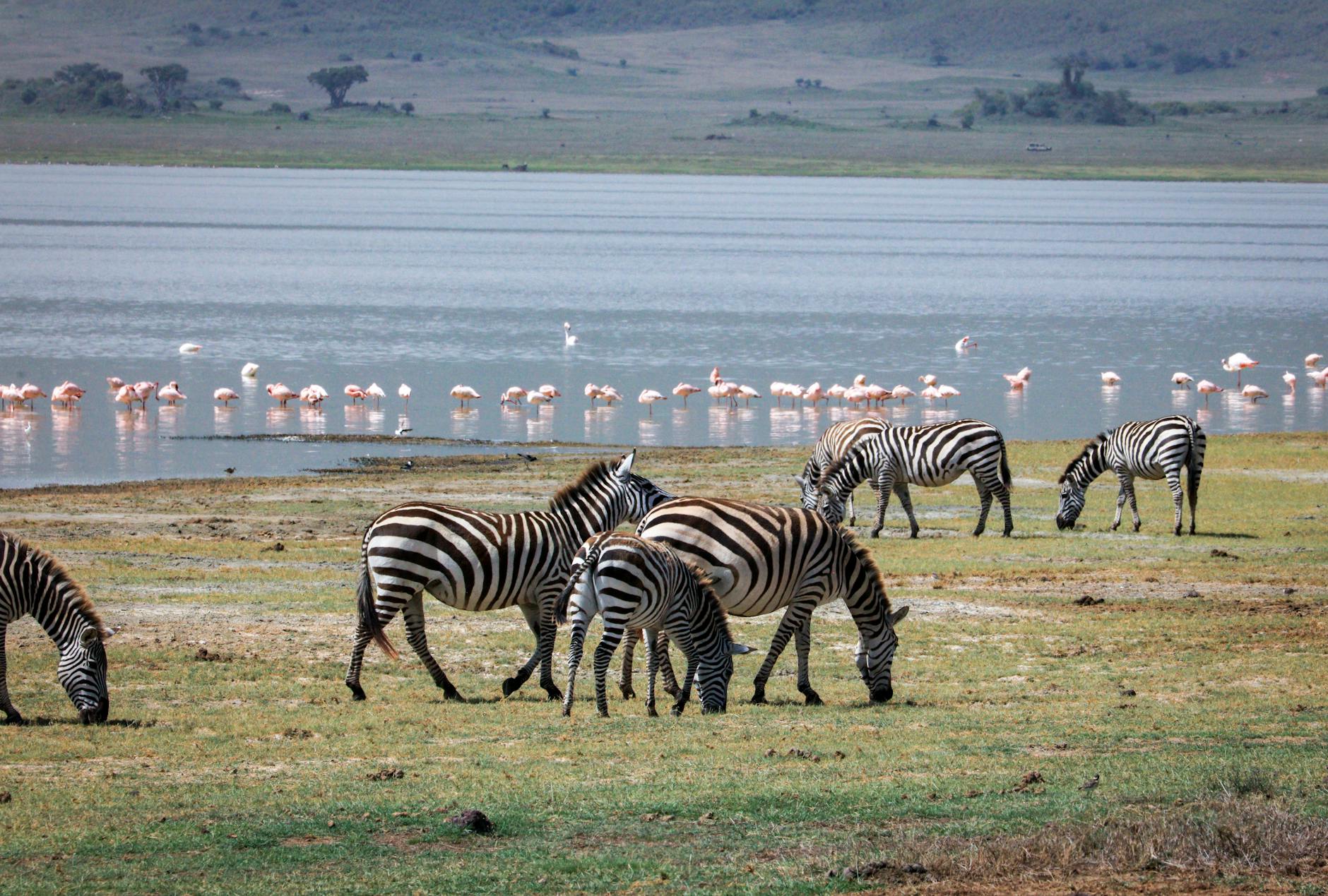
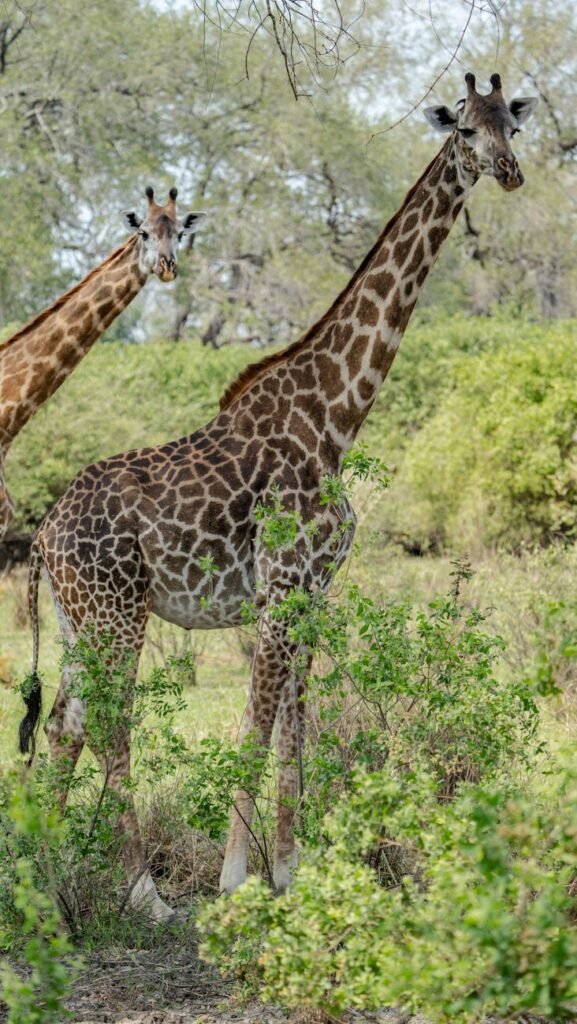
Nyerere National Park is renowned for its abundant wildlife. Expect to see a wide variety of animals during your safari. The park is particularly famous for its large elephant population, often seen in herds near the Rufiji River.
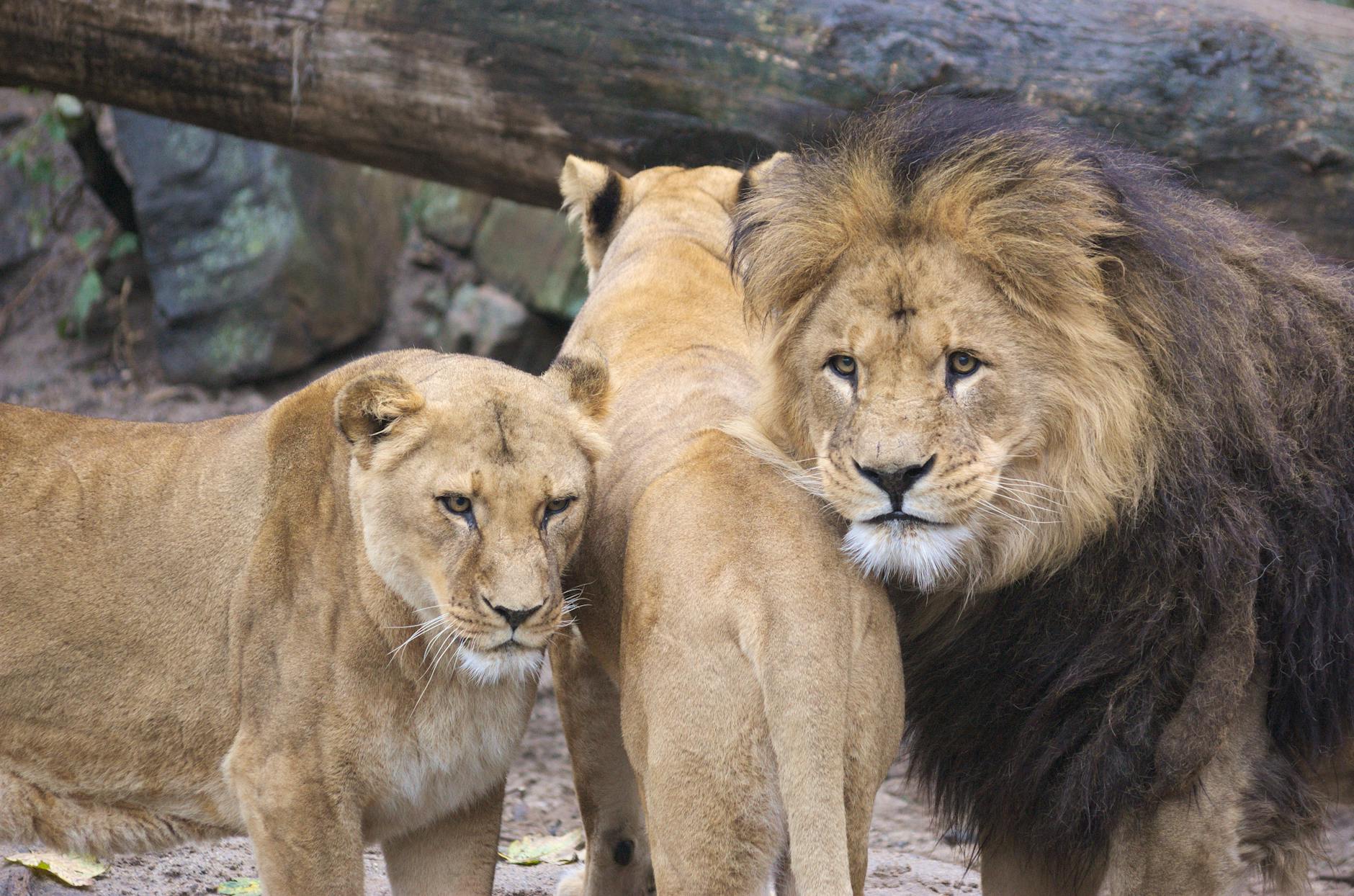
You’ll also have opportunities to spot predators like lions, leopards, and cheetahs. Tanzania National Parks Authority
The Rufiji River and its Inhabitants
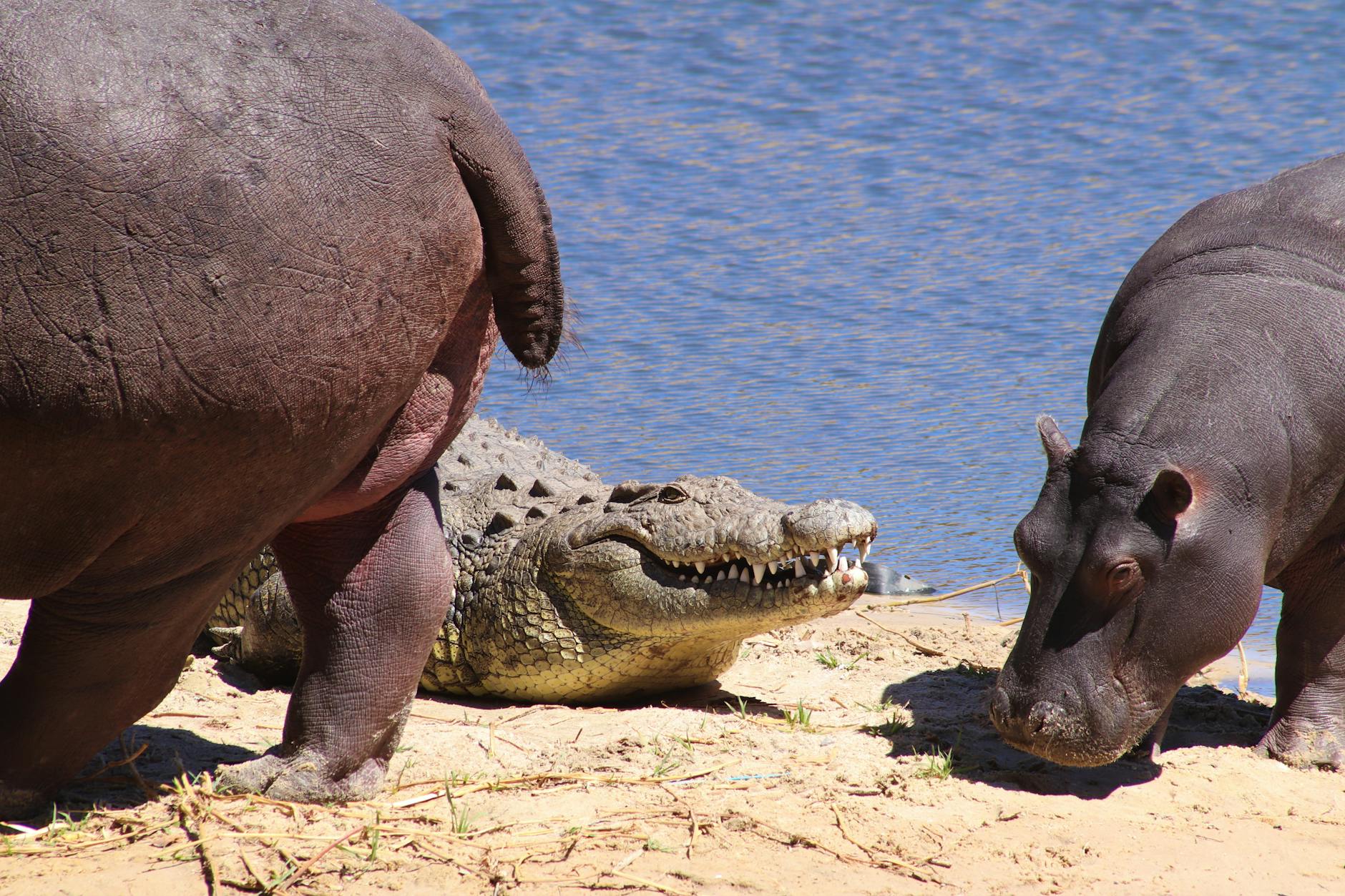
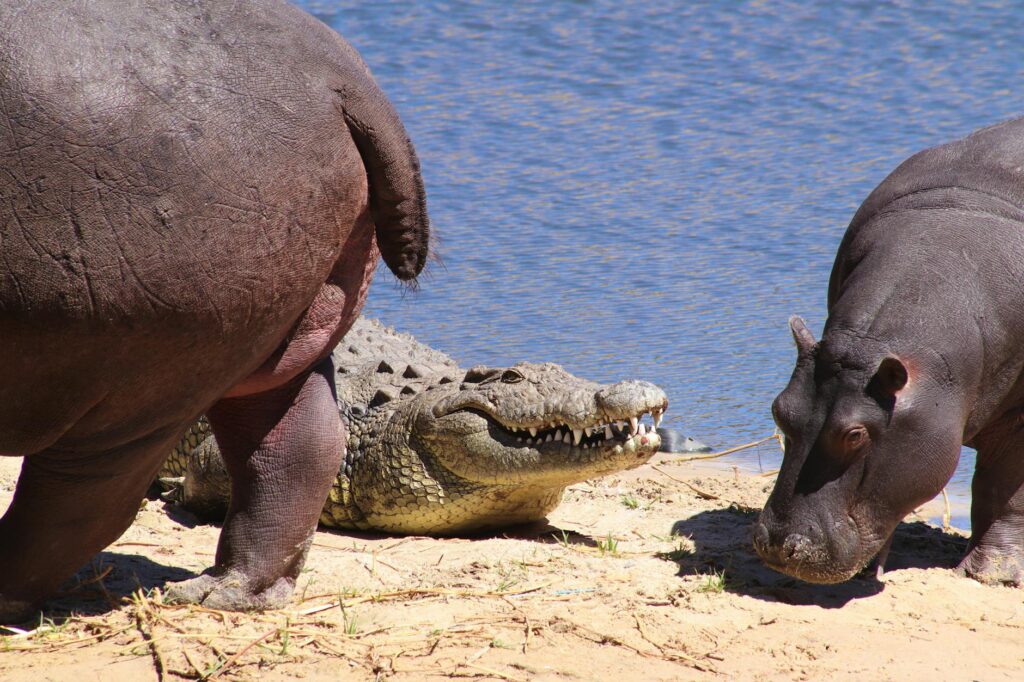
The Rufiji River is the lifeblood of Nyerere National Park. It attracts a huge concentration of wildlife, especially during the dry season. Nyerere Park hippos river sightings are incredibly common, with large pods often lounging in the water or grazing on the riverbanks. Crocodiles are also prevalent, adding to the dramatic riverine scenery.
Rare and Endangered Species
Nyerere National Park is a stronghold for several rare and endangered species. One of the most exciting is the African wild dog. Wild dogs Nyerere are notoriously difficult to spot, but the park offers a relatively good chance of encountering these fascinating creatures. Black rhinos are also present, though sightings are less frequent due to conservation efforts.
Safari Activities: Beyond the Game Drive
While traditional game drives are a fantastic way to explore Nyerere National Park, there are several other activities available to enhance your safari experience. These options allow you to experience the park from different perspectives and get closer to the wildlife.
Game Drives: The Classic Safari Experience
Game drives are the cornerstone of any Nyerere National Park Safari. They are typically conducted in open-top 4×4 vehicles, allowing for excellent visibility. Experienced guides will navigate the park, tracking animals and providing insightful commentary. Both day and night game drives are available, offering different perspectives on the park’s wildlife.
Boat Safari Nyerere: A Unique Perspective
A Boat safari Nyerere along the Rufiji River is a truly unforgettable experience. It provides a unique vantage point for observing wildlife, particularly hippos, crocodiles, and a variety of bird species.
You’ll get incredibly close to the animals without disturbing their natural behaviour. Boat safaris are a particularly good option during the dry season when animals congregate along the riverbanks. Tanzania Travel Guide
Walking Safaris: Immersing Yourself in the Bush
For a more immersive experience, consider a walking safari. Accompanied by an armed ranger and experienced guide, you’ll explore the bush on foot. This allows you to appreciate the smaller details of the ecosystem, such as tracks, insects, and plants. Walking safaris offer a thrilling and intimate connection with the African wilderness.
Accommodation Options in Nyerere National Park
Nyerere National Park offers a range of accommodation options to suit different budgets and preferences. From luxurious lodges to rustic campsites, you’ll find something to fit your needs. Choosing the right accommodation can significantly enhance your safari experience.
Luxury Lodges and Camps
Several high-end lodges and camps are located within or near Nyerere National Park. These offer luxurious amenities, gourmet dining, and exceptional service. They often feature stunning locations overlooking the Rufiji River or in secluded areas of the park. Expect to pay a premium for this level of comfort and exclusivity.
Mobile Camps and Bush Camps
Mobile camps offer a more adventurous and flexible accommodation option. These camps are temporary and can be moved to different locations within the park, allowing you to follow the wildlife. Bush camps are even more rustic, providing a basic but authentic safari experience.
They are a great choice for those seeking a closer connection with nature.
Campsites
For budget-conscious travellers, camping is a viable option. Several designated campsites are located within Nyerere National Park. These campsites typically offer basic facilities, such as toilets and showers. Camping allows you to experience the sounds and smells of the African bush up close.
Getting to Nyerere National Park and Practical Tips
Reaching Nyerere National Park requires some planning, but the journey is well worth the effort. Most visitors fly into Dar es Salaam and then take a connecting flight to one of the airstrips within the park. Road access is also possible, but it’s a long and bumpy drive.
Flights and Transfers
Flying is the most convenient way to reach Nyerere National Park. Several airlines offer scheduled flights from Dar es Salaam to airstrips such as Matambwe and Selous. Your safari operator can arrange transfers from the airstrip to your accommodation. Consider the luggage restrictions on smaller aircraft.
Health and Safety
Before your Nyerere National Park Safari, consult your doctor about necessary vaccinations and malaria prophylaxis. It’s essential to drink bottled water and avoid swimming in rivers or lakes due to the presence of crocodiles and hippos. Always follow the instructions of your guide and ranger, and be aware of your surroundings.
What to Pack
Pack light, comfortable clothing in neutral colours. Bring a hat, sunglasses, sunscreen, and insect repellent. Binoculars are essential for wildlife viewing. A good camera with a zoom lens will allow you to capture stunning photos. Don’t forget a headlamp or flashlight for night game drives and camping.
Final Thoughts on Nyerere National Park Safari
A Nyerere National Park Safari is an adventure unlike any other. It’s a chance to experience the raw beauty and untamed wilderness of Africa. From thrilling game drives to peaceful boat safaris, Nyerere offers something for every wildlife enthusiast. The park’s remoteness and abundance of wildlife make it a truly special destination.
Don’t just dream about an African safari – make it a reality! Start planning your unforgettable journey to Nyerere National Park today. Explore the diverse landscapes, witness incredible wildlife encounters, and create memories that will last a lifetime. Contact a reputable safari operator to begin crafting your personalized Nyerere National Park adventure.
Frequently Asked Questions
What is included in a typical Nyerere National Park safari guide package?
A typical package includes a highly experienced, English-speaking safari guide, a 4×4 safari vehicle (often with a pop-up roof for optimal viewing), park entrance fees for the guide and vehicle, game drives as per your itinerary, and usually bottled water during drives. Meals and accommodation are generally *not* included unless specifically stated in the package details.
What qualifications and experience do Nyerere National Park safari guides have?
Our guides are extensively trained and certified by the Tanzania Tourist Board. They possess in-depth knowledge of the park’s wildlife, flora, birdlife, and local culture. They also have advanced first aid training and are skilled in vehicle maintenance and safe driving practices in challenging terrain. Many have years of experience guiding safaris in Nyerere specifically.
Is it possible to request a specific type of safari experience (e.g., walking safari, boat safari) with a guide?
Yes! Nyerere National Park offers diverse safari options. We can arrange walking safaris (accompanied by armed rangers), boat safaris on the Rufiji River, and fly-camping adventures. Please discuss your preferences with us when booking, and we will assign a guide experienced in your desired activity. Availability of certain activities may be seasonal.
What languages do the safari guides speak?
The majority of our guides are fluent in English. We also have guides who speak German, French, Spanish, and Italian. Please let us know your preferred language when booking, and we will do our best to accommodate your request. Availability of non-English speaking guides is not always guaranteed.
What should I expect regarding tipping for my Nyerere National Park safari guide?
Tipping is customary in Tanzania and greatly appreciated. A general guideline is $20-$30 per day for the guide, per vehicle (to be shared amongst passengers if in a group). The amount can be adjusted based on the quality of service and your overall satisfaction. Tipping is at your discretion.