Table of Contents Whether you’re planning your first visit or returning to explore more, Ruaha National Park Safari Tips is an experience unlike any other.
- Planning Your Unforgettable Ruaha National Park Safari
- Understanding Ruaha National Park
- When to Go on a Ruaha National Park Safari
- Essential Safari Tips for Ruaha
- Accommodation Options in Ruaha
- Maximizing Your Game Viewing Experience
- Responsible Tourism in Ruaha National Park
- Final Thoughts on Ruaha National Park Safari
Planning Your Unforgettable Ruaha National Park Safari: Ruaha National Park Safari Tips
A Ruaha National Park Safari promises an authentic and untamed African wilderness experience. Located in southern Tanzania, Ruaha is the country’s largest national park and a true gem for wildlife enthusiasts. This comprehensive guide will equip you with expert tips and advice to make your safari truly exceptional. Prepare to be amazed by the sheer scale of the park and the incredible biodiversity it holds.
Understanding Ruaha National Park
Location and Accessibility
Ruaha National Park is situated in the Great Rift Valley, covering a vast area of over 12,950 square kilometers. Accessing the park typically involves flying into one of the airstrips within or near Ruaha. Flights originate from Dar es Salaam, Arusha, or Zanzibar. Road access is possible, but it’s a long and challenging journey, best suited for adventurous travelers with 4×4 vehicles.
Wildlife Highlights
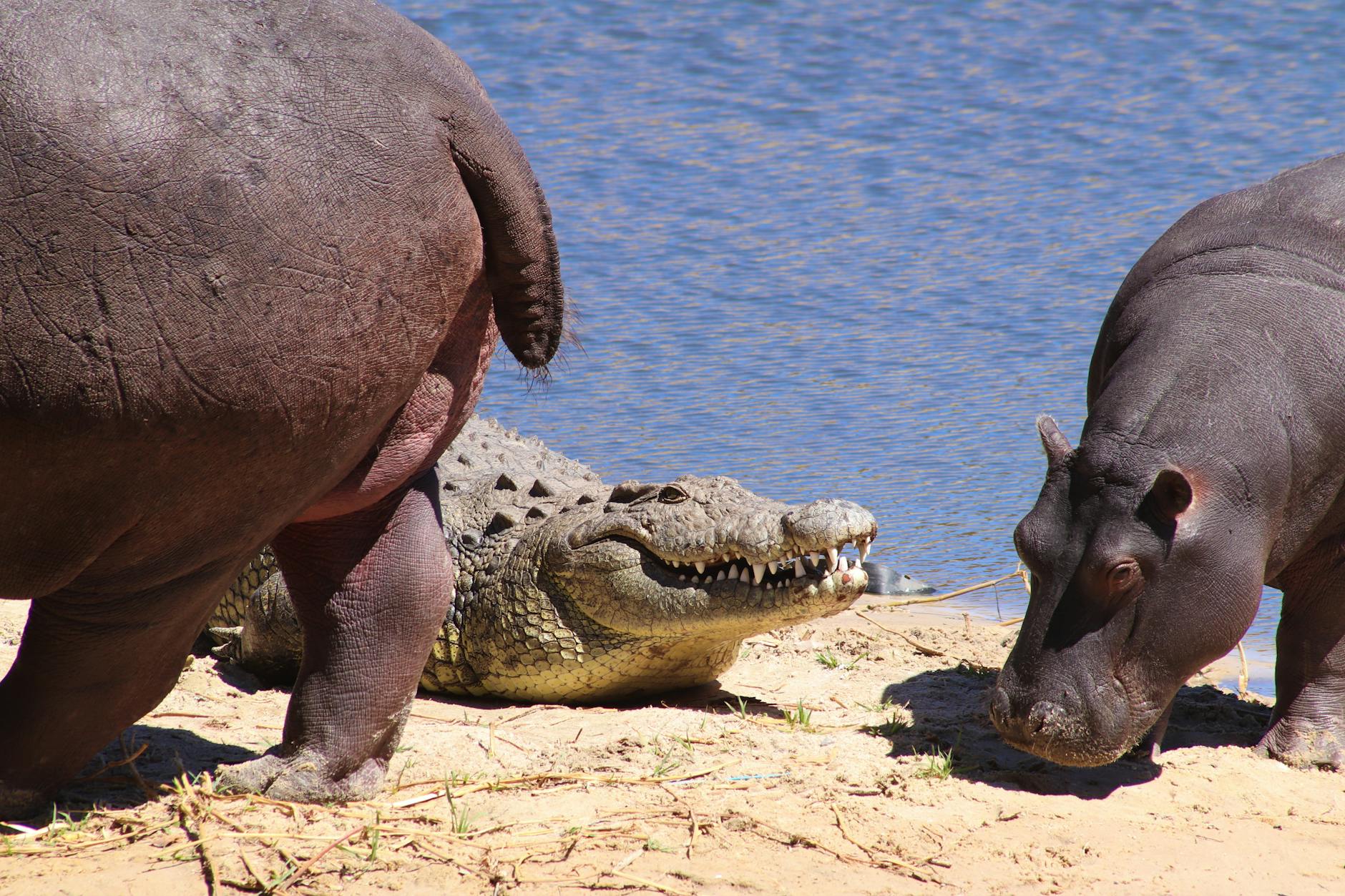
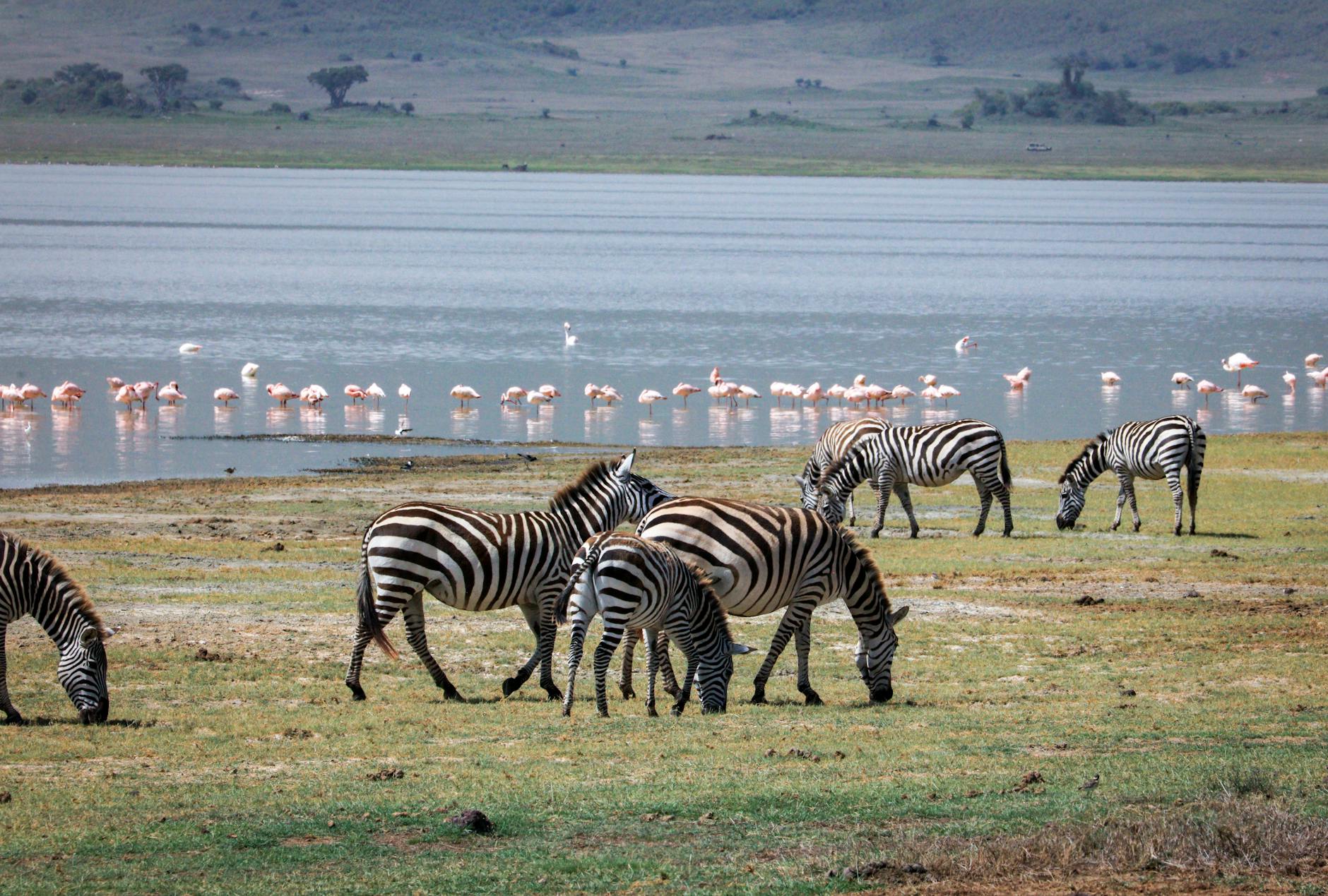
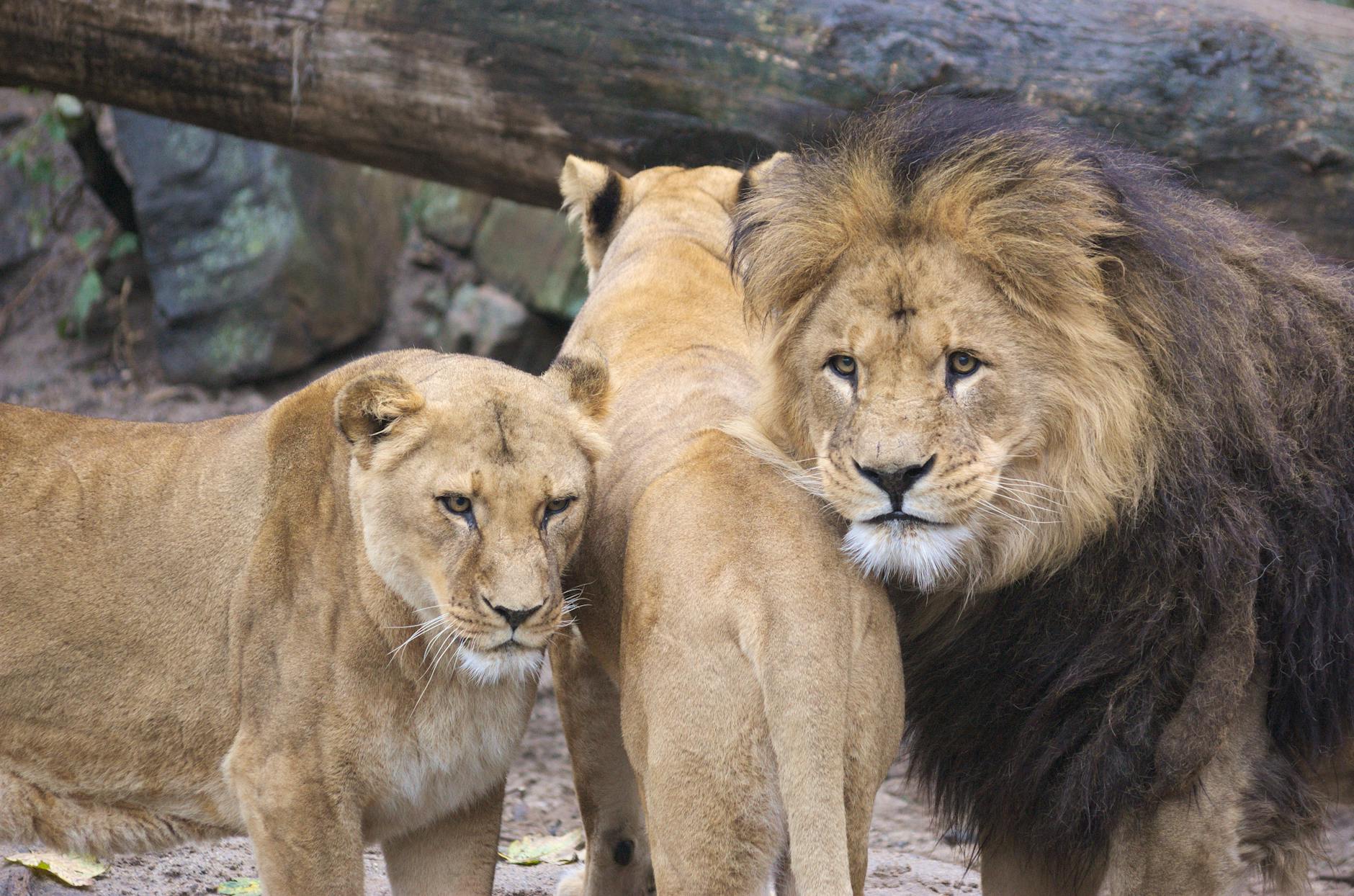
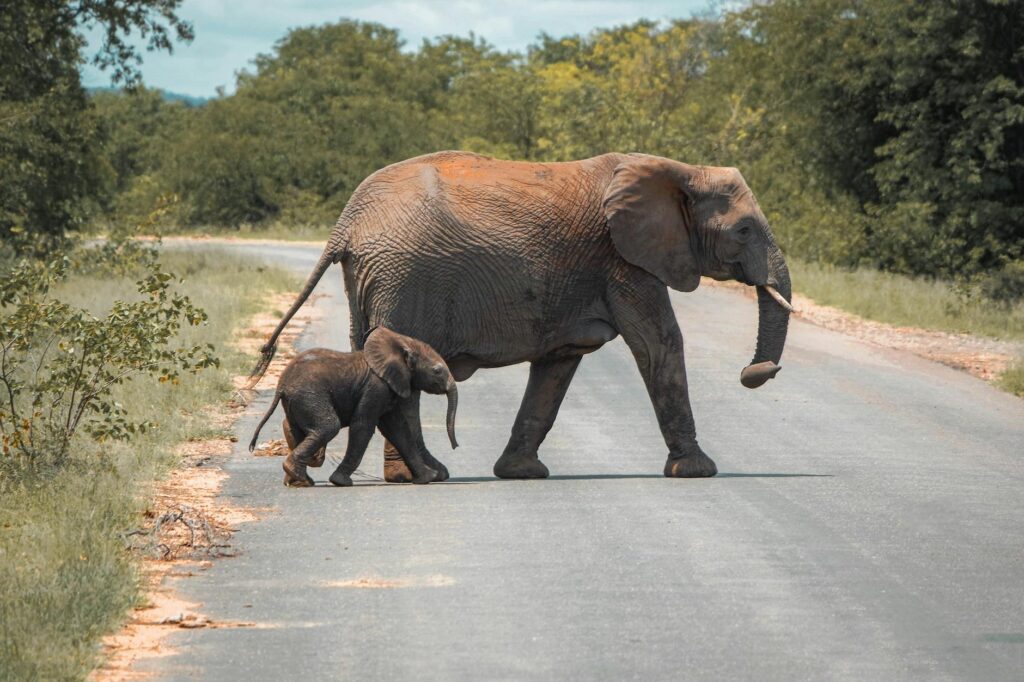
Ruaha is renowned for its large populations of elephants, lions, and wild dogs. You’ll also find significant numbers of giraffes, zebras, and sable antelopes. Birdlife is exceptional, with over 570 species recorded. The park’s unique landscape and diverse habitats support a remarkable range of wildlife, making every game drive an adventure. Keep an eye out for the majestic Ruaha lions pride – they are a spectacular sight!
When to Go on a Ruaha National Park Safari
The Dry Season (June – October)
The dry season is generally considered the best time for a Ruaha National Park Safari. Vegetation is sparse, making wildlife easier to spot. Animals congregate around remaining water sources, increasing your chances of incredible sightings. The weather is pleasant, with warm days and cool nights.
Tanzania National Parks Authority
The Green Season (November – May)
The green season offers a different perspective on Ruaha. The landscape transforms into a lush paradise, attracting migratory birds. While wildlife can be more dispersed, the scenery is stunning, and the park is less crowded. This is a great option for birdwatchers and those seeking a more secluded experience. Be prepared for potential rain showers.
Essential Safari Tips for Ruaha
What to Pack
Packing for a Ruaha safari requires careful consideration. Neutral-colored clothing is essential to blend in with the environment. Bring layers, as temperatures can fluctuate. Don’t forget a wide-brimmed hat, sunglasses, sunscreen, and insect repellent. A good pair of binoculars is crucial for spotting wildlife.
Choosing the Right Safari Operator
Selecting a reputable safari operator is paramount. Look for companies with experienced guides, well-maintained vehicles, and a commitment to responsible tourism. Consider your budget and desired level of comfort when making your choice. A good operator will enhance your Ruaha National Park Safari experience significantly.
Safety Precautions
Always listen to your guide’s instructions and follow park regulations. Never approach wildlife on foot. Be aware of your surroundings and report any concerns to your guide. Staying safe is crucial for enjoying your safari to the fullest.
Accommodation Options in Ruaha
Luxury Lodges
Ruaha offers a range of luxury lodges providing exceptional comfort and service. These lodges often feature stunning views, gourmet dining, and personalized attention. They are a perfect choice for those seeking a high-end safari experience. Expect to pay a premium for these accommodations. CDC Travel Health: Tanzania
Remote Safari Camps
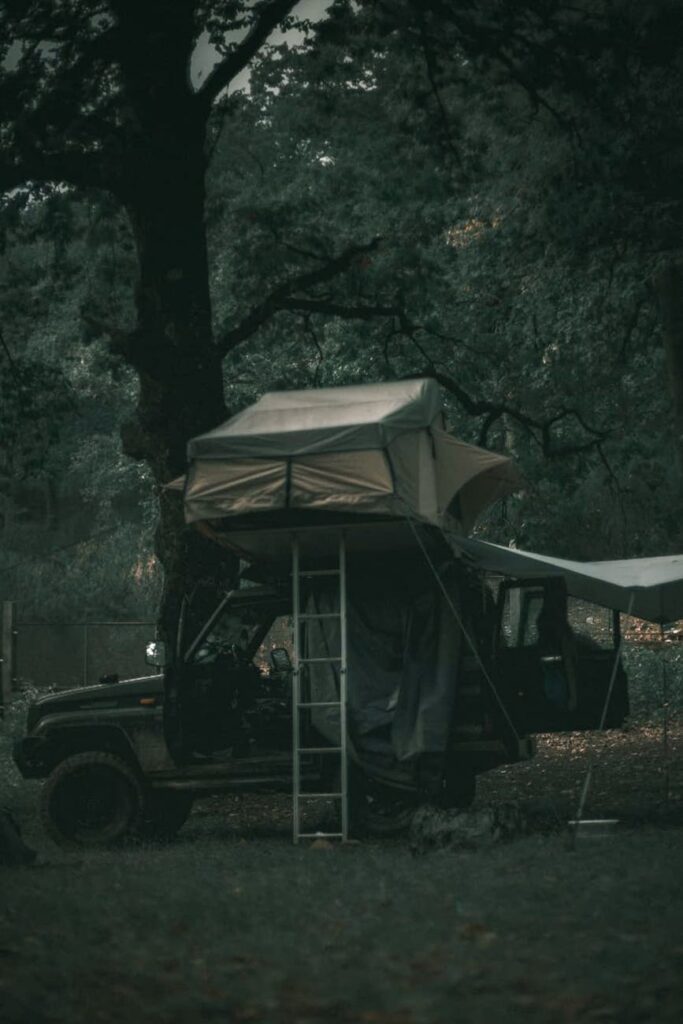
For a truly immersive experience, consider staying at a Remote safari camp Ruaha. These camps offer a closer connection to nature, often located in secluded areas of the park. They provide a more rustic but authentic safari experience. This is a fantastic way to feel truly immersed in the wilderness.
Budget-Friendly Options
Several campsites and basic lodges cater to budget-conscious travelers. These options provide a comfortable base for exploring the park without breaking the bank. While they may lack the luxuries of high-end lodges, they still offer a rewarding safari experience.
Maximizing Your Game Viewing Experience
Game Drive Strategies
Early morning and late afternoon game drives are generally the most productive times for wildlife viewing. Animals are more active during these cooler hours. Ask your guide to focus on areas near water sources and known animal habitats. Patience is key – sometimes the best sightings require a bit of waiting.
Walking Safaris
Walking safaris offer a unique perspective on the bush. You’ll have the opportunity to learn about the smaller details of the ecosystem, such as tracks, plants, and insects. Walking safaris are typically led by armed rangers and provide a thrilling and educational experience. Seeing an Ruaha elephant crossing from a safe distance during a walking safari is an unforgettable moment.
Night Drives
Night drives reveal a different side of Ruaha’s wildlife. Nocturnal animals, such as leopards, hyenas, and bushbabies, become active after dark. Night drives require special permits and are typically offered by lodges and camps. They provide a thrilling opportunity to see animals you might miss during the day.
Responsible Tourism in Ruaha National Park
Respecting Wildlife
Maintain a safe distance from animals and avoid disturbing their natural behavior. Never feed wildlife, as this can alter their foraging habits and make them dependent on humans. Observe animals with respect and appreciate their beauty from afar.
Supporting Local Communities
Choose safari operators that employ local guides and support community-based tourism initiatives. Purchasing souvenirs from local artisans helps to contribute to the economic well-being of the surrounding communities. Responsible tourism ensures that the benefits of safari tourism are shared with those who live near the park.
Minimizing Your Environmental Impact
Reduce your waste by bringing reusable water bottles and avoiding single-use plastics. Dispose of trash properly and follow Leave No Trace principles. Respect the park’s environment and help to preserve it for future generations. A Ruaha National Park Safari should be an environmentally conscious experience.
Final Thoughts on Ruaha National Park Safari
A Ruaha National Park Safari is an adventure unlike any other. The park’s vast wilderness, abundant wildlife, and remote location offer a truly authentic African experience. From witnessing the majestic Ruaha lions pride to marveling at the sheer size of the elephant herds, Ruaha will leave you with memories that will last a lifetime.
Don’t just dream about an African safari – make it a reality! Start planning your unforgettable journey to Ruaha National Park today. Explore the untamed beauty of Tanzania and discover the magic of the African wilderness. Book your safari now and prepare for an adventure of a lifetime!
Frequently Asked Questions
What is the best time of year to visit Ruaha National Park?
The dry season (June to October) is generally considered the best time to visit Ruaha. Wildlife concentrates around the remaining water sources, making game viewing much easier. The vegetation is also thinner, improving visibility. However, November to May (the wet season) offers lush landscapes and fewer crowds, though game viewing can be more challenging.
What kind of clothing should I pack for a Ruaha safari?
Pack lightweight, neutral-colored clothing (khaki, olive green, beige) as bright colors can disturb the animals. Long sleeves and trousers are recommended for protection against insects and the sun. A warm jacket or fleece is essential for early morning and evening game drives, as temperatures can drop significantly. Don’t forget a hat, sunglasses, and comfortable walking shoes.
Are there any health precautions I should take before visiting Ruaha?
Consult your doctor well in advance of your trip to discuss necessary vaccinations and malaria prophylaxis. Ruaha is a malaria area, so prevention is crucial. Bring insect repellent containing DEET, and consider taking precautions against sun exposure. It’s also wise to have travel insurance that covers medical evacuation.
What should I expect regarding accommodation in Ruaha?
Ruaha offers a range of accommodation options, from luxury lodges to more basic campsites. Lodges typically provide comfortable rooms, en-suite bathrooms, and meals. Campsites are generally more rustic and require you to bring your own camping equipment. Booking in advance is highly recommended, especially during peak season.
What photography equipment is recommended for a Ruaha safari?
A good quality camera with a zoom lens (at least 300mm) is essential for wildlife photography. Bring extra batteries and memory cards, as charging opportunities may be limited. A beanbag or tripod can help stabilize your camera during game drives. Consider a dustproof camera bag to protect your equipment from the harsh environment.