Table of Contents Whether you’re planning your first visit or returning to explore more, Wildlife Photography Guide for Serengeti is an experience unlike any other.
- Wildlife Photography Guide for the Serengeti: Capturing Africa's Soul
- Understanding the Serengeti Landscape & Wildlife
- Essential Equipment for Serengeti Wildlife Photography
- Techniques for Stunning Wildlife Photography
- Ethical Considerations in Wildlife Photography
- Specific Photographic Opportunities in the Serengeti
- Final Thoughts on Wildlife Photography Guide for
Wildlife Photography Guide for the Serengeti: Capturing Africa's Soul: Wildlife Photography Guide For Serengeti
A comprehensive Wildlife Photography Guide for the Serengeti National Park is essential for anyone hoping to capture the breathtaking beauty and raw power of African wildlife. The Serengeti offers unparalleled opportunities for photographers of all skill levels. This guide will equip you with the knowledge and techniques needed to return home with stunning images.
Understanding the Serengeti Landscape & Wildlife
The Serengeti is a vast ecosystem in Tanzania, famed for its annual Great Migration. Millions of wildebeest, zebras, and gazelles move across the plains in search of fresh grazing. This dramatic event attracts predators like lions, cheetahs, and hyenas, creating incredible photographic opportunities. Understanding the landscape and animal behavior is crucial for successful wildlife photography.
Best Time to Visit for Photography
The dry season (June to October) is generally considered the best time for wildlife photography. Vegetation is sparse, making it easier to spot animals. The light is also excellent during this period, particularly during the golden hours. The wet season (November to May) offers lush landscapes, but visibility can be reduced due to the increased foliage.
Key Species to Photograph
The “Big Five” – lion, leopard, elephant, rhino, and buffalo – are high on most photographers’ lists. However, the Serengeti offers so much more. Giraffes, cheetahs, hippos, crocodiles, and a vast array of birdlife all provide fantastic subjects. Don’t overlook the smaller details, like insects and reptiles, which can add unique perspectives to your portfolio.
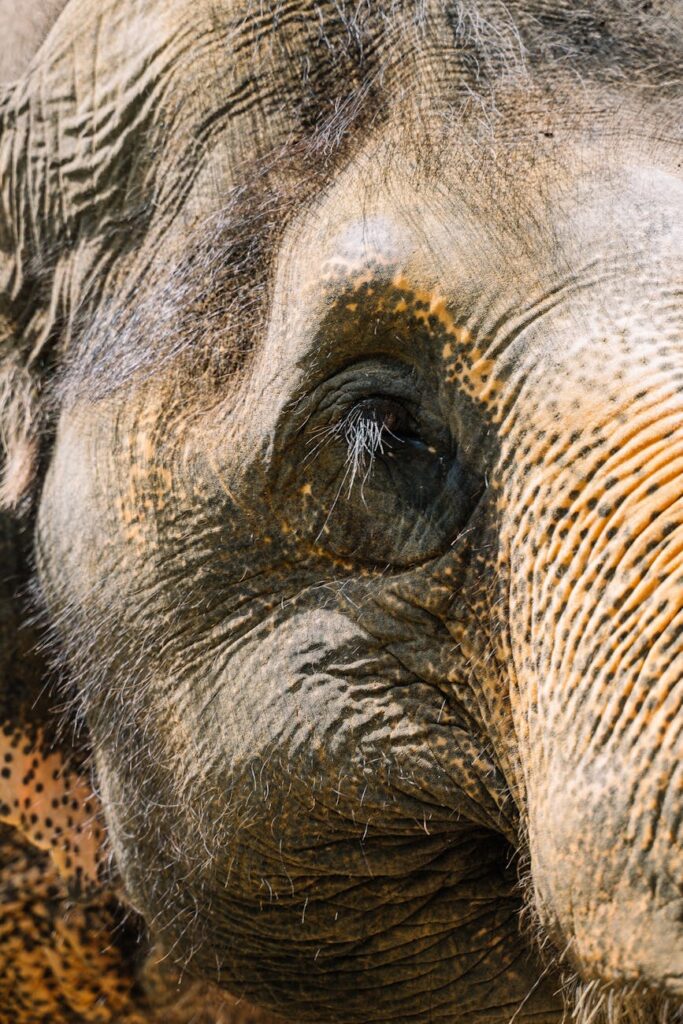
(Elephants golden light photo) Tanzania National Parks Authority
Essential Equipment for Serengeti Wildlife Photography
Having the right gear is paramount for capturing high-quality images in the Serengeti. Investing in quality equipment will significantly improve your results. Consider these essential items when preparing for your trip.
Camera and Lenses
A DSLR or mirrorless camera with interchangeable lenses is highly recommended. A long telephoto lens (at least 400mm, ideally 500mm or 600mm) is essential for capturing distant wildlife. A wide-angle lens (16-35mm) is useful for landscape shots and environmental portraits. Don’t forget a versatile mid-range zoom lens (24-70mm) for general photography.
Accessories
A sturdy tripod is crucial for sharp images, especially in low light. Bring plenty of memory cards and batteries, as charging opportunities may be limited. A beanbag can provide a stable shooting platform when a tripod isn’t practical. Consider a camera rain cover to protect your equipment from dust and moisture.
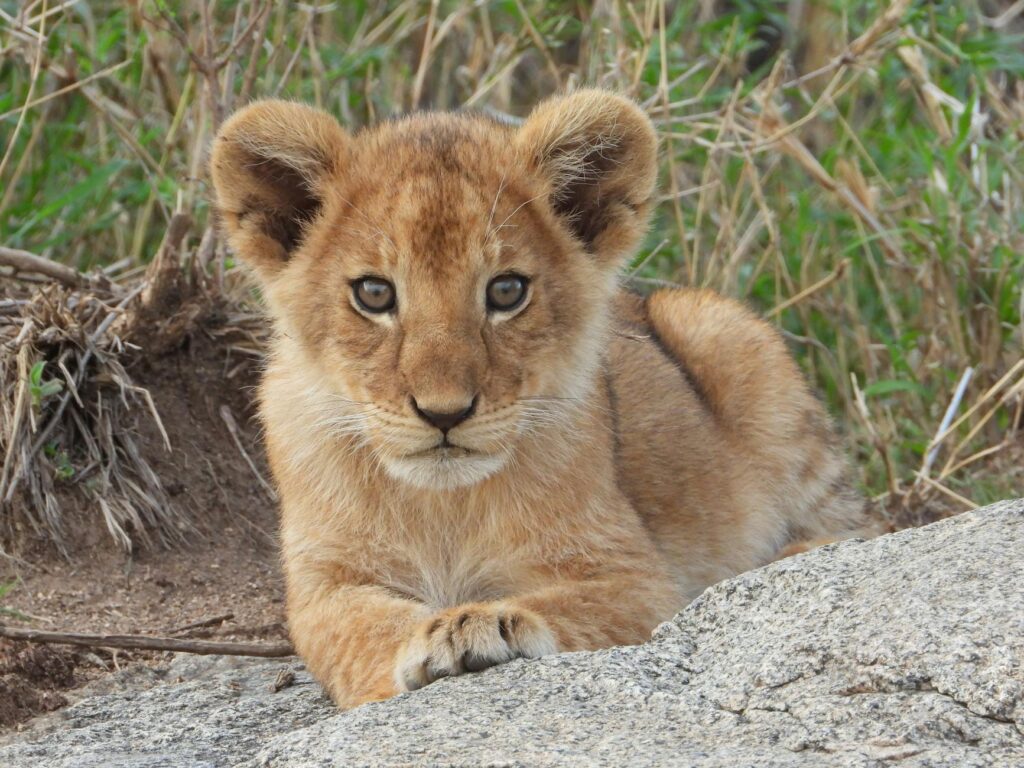
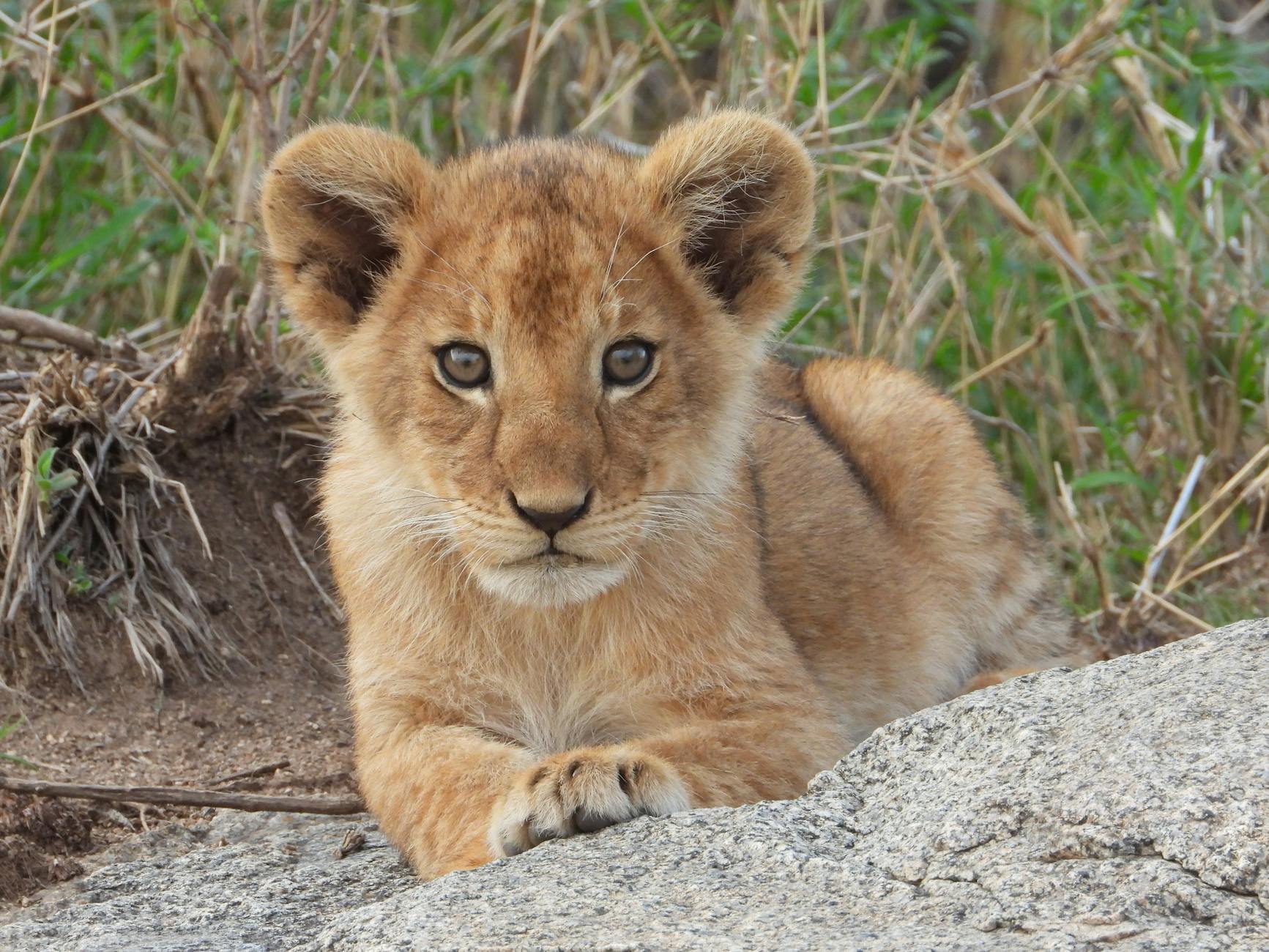
(Lion closeup photo Serengeti)
Techniques for Stunning Wildlife Photography
Mastering specific photographic techniques will elevate your Serengeti images. These techniques will help you capture the essence of the wildlife and the landscape. This Wildlife Photography Guide for the Serengeti emphasizes practical application.
Focusing and Aperture
Use continuous autofocus (AF-C) to track moving animals. Select a narrow aperture (f/5.6 to f/8) for greater depth of field, ensuring more of the animal is in focus. Experiment with wider apertures (f/2.8 to f/4) to create a shallow depth of field, isolating your subject and blurring the background. Back-button focus can be incredibly helpful for precise control. Serengeti National Park
Composition and Light
Apply the rule of thirds to create visually appealing compositions. Look for leading lines, patterns, and textures to add interest to your images. Pay attention to the light. The golden hours (shortly after sunrise and before sunset) offer warm, soft light that is ideal for wildlife photography. Avoid shooting in harsh midday light, which can create strong shadows and blown-out highlights.
Capturing Action
Increase your shutter speed to freeze motion. A shutter speed of 1/500s or faster is generally recommended for capturing fast-moving animals. Use burst mode to capture a sequence of images, increasing your chances of getting the perfect shot. Anticipate the action and be prepared to react quickly.
Ethical Considerations in Wildlife Photography
Responsible wildlife photography is essential for preserving the Serengeti’s ecosystem. Respecting the animals and their environment should be your top priority. This section of the Wildlife Photography Guide for the Serengeti highlights best practices.
Maintaining Distance
Always maintain a safe distance from the animals. Avoid approaching too closely, as this can stress them and disrupt their natural behavior. Use your telephoto lens to capture images from a respectful distance. Never attempt to feed or interact with the wildlife.
Respecting the Environment
Stay on designated roads and trails. Avoid disturbing vegetation or leaving any trash behind. Be mindful of your impact on the environment and strive to minimize your footprint. Support local conservation efforts and responsible tourism operators.
Avoiding Baiting and Artificial Interference
Never use bait or any other artificial means to attract animals. This can alter their natural behavior and create dependency. Avoid using flash photography, as it can startle and disorient the animals. Let the animals behave naturally and capture authentic moments.
Specific Photographic Opportunities in the Serengeti
The Serengeti offers diverse photographic opportunities depending on the location and time of year. Knowing where to go and what to expect will maximize your chances of success.
Central Serengeti (Seronera)
This area is known for its high concentration of predators, particularly lions and leopards. The Seronera River attracts a variety of wildlife, making it a prime location for photography. Look for acacia trees, which provide excellent perches for birds and vantage points for predators.
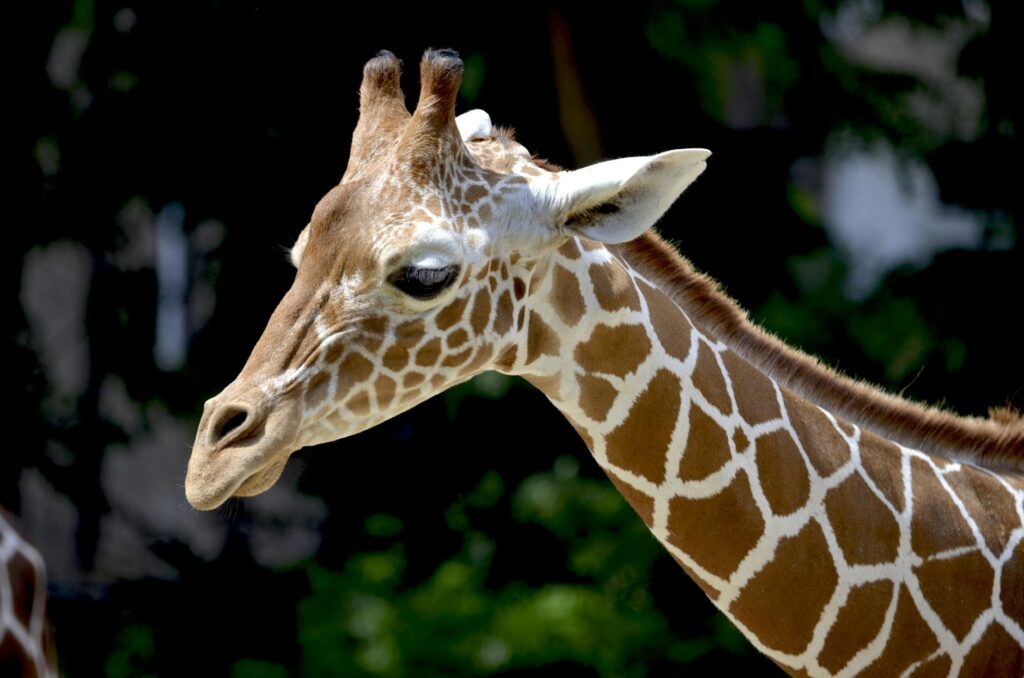
(Giraffe photography)
Southern Serengeti (Ndutu)
During the calving season (December to March), the southern Serengeti is teeming with wildebeest and their young. This attracts predators, creating dramatic hunting scenes. Ndutu also offers stunning landscapes, with acacia woodlands and open plains.
Northern Serengeti (Mara River)
The Mara River is famous for the dramatic river crossings during the Great Migration (July to October). Witnessing this spectacle is a once-in-a-lifetime experience for photographers. Be prepared for crowds and challenging shooting conditions.
Final Thoughts on Wildlife Photography Guide for
The Serengeti National Park is a photographer’s paradise, offering unparalleled opportunities to capture the beauty and drama of African wildlife. By following this Wildlife Photography Guide for the Serengeti, you’ll be well-equipped to create stunning images that will last a lifetime. Remember to prioritize ethical considerations and respect the animals and their environment.
Don’t just dream about it – experience the magic of the Serengeti for yourself! Book your safari today and embark on an unforgettable photographic adventure. Explore the vast plains, witness the Great Migration, and capture the soul of Africa through your lens. The Serengeti awaits!
Frequently Asked Questions
What is the best time of year for wildlife photography in the Serengeti?
The dry season (June to October) is generally considered the best time. Wildlife congregates around remaining water sources, making them easier to find and photograph. The shorter grass also improves visibility. The Great Migration is also typically within the Serengeti during this period, offering spectacular opportunities. However, the green season (November to May) offers lush landscapes and newborn animals, providing unique photographic possibilities, though with more challenging conditions.
What camera equipment should I bring for a Serengeti safari?
A versatile zoom lens is essential – something in the range of 100-400mm or 150-600mm is highly recommended. A wide-angle lens (16-35mm) is useful for landscapes and environmental portraits. Bring plenty of memory cards and batteries (and a charger!). A sturdy tripod or beanbag is crucial for sharp images, especially with long lenses. Don’t forget a dust-proof camera bag to protect your gear from the harsh conditions.
Are there any specific photographic techniques that work well in the Serengeti?
Panning with moving subjects (like running wildebeest) can create stunning motion blur effects. Utilizing the ‘rule of thirds’ for composition is always helpful. Shooting in aperture priority mode (Av or A) allows you to control depth of field. Learn to anticipate animal behavior to capture key moments. And importantly, practice shooting in manual mode to gain full control over your settings.
What should I consider regarding vehicle positioning for photography?
Work closely with your guide to position the vehicle for optimal light and angles. Avoid shooting directly into the sun. Consider the background – a clean background will help your subject stand out. Be mindful of other photographers and try to share opportunities respectfully. A higher vehicle position can sometimes provide a better vantage point, but lower angles can create more dramatic perspectives.
Is it ethical to use flash photography with wildlife?
Generally, avoid using flash photography with wildlife. It can startle or disturb animals, especially nocturnal species. In some cases, a very subtle fill flash can be used to reduce harsh shadows, but only if it doesn’t appear to bother the animal. Always prioritize the animal’s well-being over getting the perfect shot. Respect their space and observe from a distance.