Table of Contents Whether you’re planning your first visit or returning to explore more, Tanzania Travel Vaccination Guide is an experience unlike any other.
Tanzania Travel Vaccination Guide: Your Comprehensive Health Checklist
Planning a safari or beach getaway to Tanzania? This Tanzania Travel Vaccination Guide will provide you with all the essential information regarding necessary vaccinations and health precautions. Ensuring you’re adequately protected is crucial for a safe and enjoyable trip. We’ll cover everything from required certificates to recommended preventative measures, helping you navigate the health requirements with confidence.
Understanding Tanzania’s Health Requirements
Required Vaccinations & Certificates
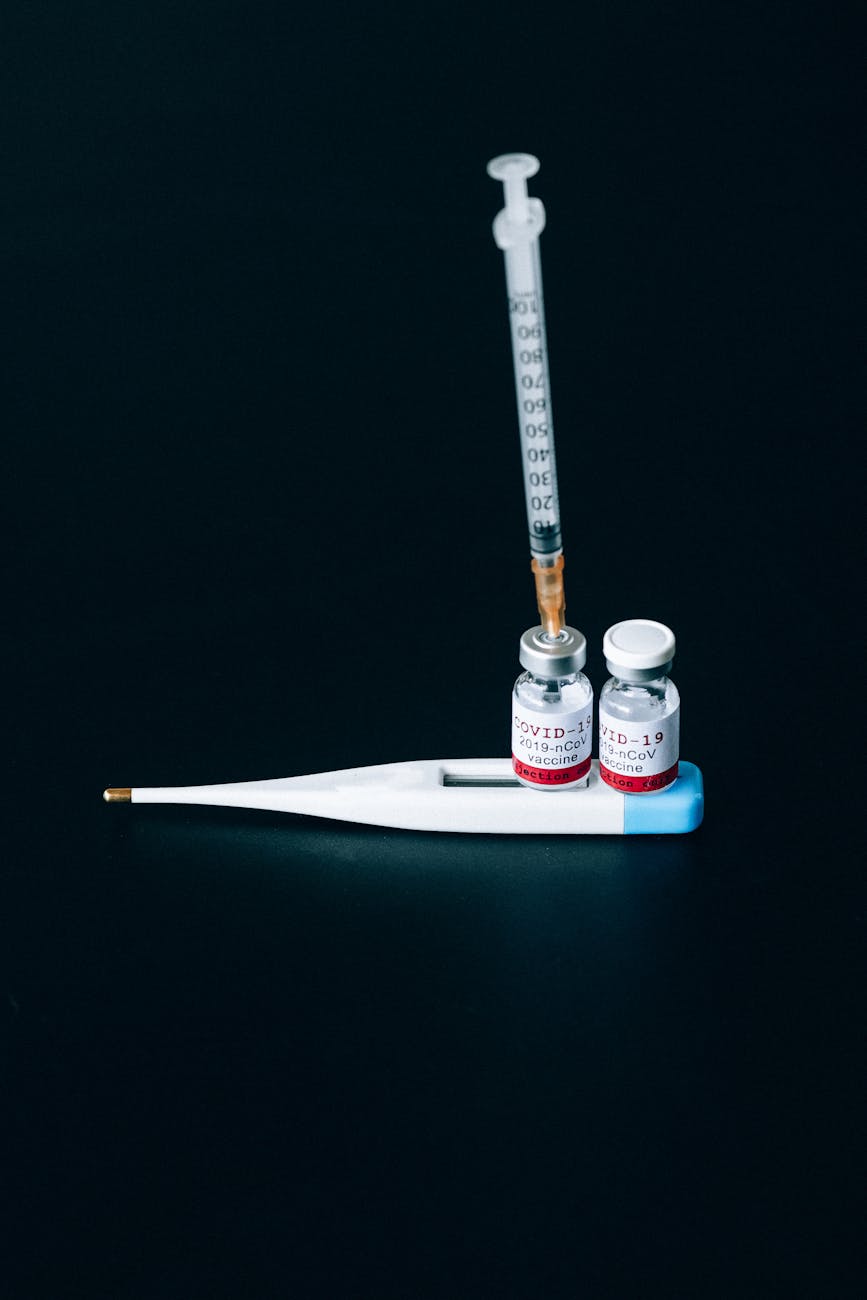
Currently, the only legally required vaccination for entry into Tanzania is the Yellow Fever vaccine. This is a mandatory requirement if you are arriving from a country with a risk of Yellow Fever transmission.
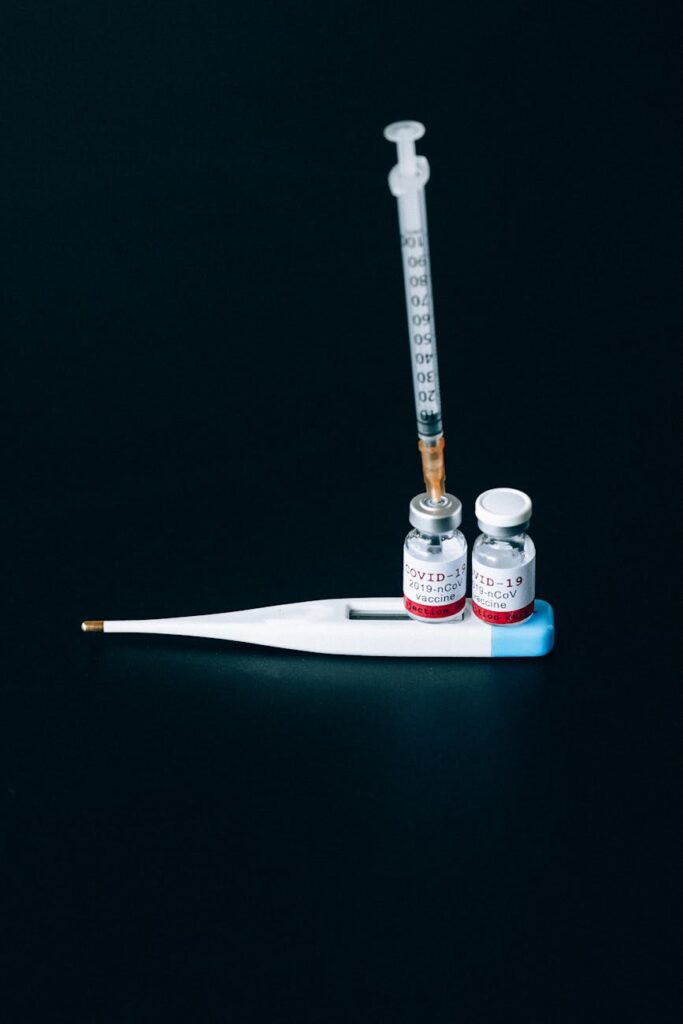
Proof of vaccination, in the form of the International Certificate of Vaccination or Prophylaxis (ICVP), must be presented upon arrival. Without it, you may be denied entry or face quarantine.
It’s vital to check the latest requirements before your travel date, as regulations can change. The World Health Organization (WHO) and your country’s travel advisory websites are excellent resources. Don’t leave this to the last minute; some vaccinations require multiple doses over several weeks.
The Importance of a Travel Clinic Consult
Even if no vaccinations are legally required, a Travel clinic consult is *highly* recommended. A travel health professional can assess your individual risk factors based on your itinerary, health history, and planned activities. They will provide personalized advice on necessary and recommended vaccinations, as well as preventative measures against other diseases. This consultation is the cornerstone of responsible travel planning. Tanzania National Parks Authority
Recommended Vaccinations for Tanzania
Core Vaccinations
Beyond Yellow Fever, several vaccinations are strongly recommended for most travellers to Tanzania. These include:
- Typhoid: Spread through contaminated food and water.
- Hepatitis A: Also transmitted through contaminated food and water.
- Hepatitis B: Spread through blood and body fluids.
- Tetanus-Diphtheria-Pertussis (Tdap): A routine booster is recommended every 10 years.
- Measles-Mumps-Rubella (MMR): Ensure you are up-to-date.
- Chickenpox (Varicella): If you haven’t had chickenpox or been vaccinated.
Your travel health professional will advise on which of these are most relevant to your trip. They will also consider your age, health status, and previous vaccination history.
Additional Considerations
Depending on your travel plans, additional vaccinations might be considered. For example, if you plan on spending significant time in rural areas or interacting with local communities, your doctor might recommend Rabies vaccination.

Similarly, if you have underlying health conditions, they may suggest additional boosters or preventative measures. A thorough discussion during your Travel clinic consult is essential.
Malaria Prevention in Tanzania
Understanding the Risk
Malaria prevention pills are crucial when travelling to Tanzania, as the country is a high-risk malaria zone. The risk varies depending on the region and altitude, with coastal areas and lower elevations posing a greater threat. Malaria is transmitted through the bite of infected mosquitoes, primarily during the evening and night. It’s a serious illness that can be life-threatening if left untreated.
Choosing the Right Prophylaxis
There are several different types of Malaria prevention pills available, each with its own benefits and potential side effects. Common options include atovaquone-proguanil (Malarone), doxycycline, and mefloquine. Your travel health professional will help you choose the most appropriate prophylaxis based on your health, itinerary, and potential drug interactions. It’s vital to start taking the medication before your trip, continue throughout your stay, and for a period after you return, as directed by your doctor. Tanzania Travel Guide
Alongside medication, mosquito bite prevention is essential. Wear long sleeves and trousers, especially during dusk and dawn. Use insect repellent containing DEET, picaridin, or IR3535. Sleep under a mosquito net, particularly in areas without air conditioning. Consider treating your clothing with permethrin.
Staying Safe with Food and Water
Water Safety
Drinking water in Tanzania can pose a health risk. Avoid drinking tap water, even in hotels. Stick to bottled water, ensuring the seal is intact. When brushing your teeth, use bottled water as well. Be cautious of ice in drinks, as it may be made from contaminated water. Boiling water for at least one minute is another effective way to purify it.
Food Safety
Foodborne illnesses are common in Tanzania. Eat at reputable restaurants and avoid street food vendors unless you are confident in their hygiene practices. Ensure food is thoroughly cooked and served hot. Avoid raw or undercooked meat and seafood. Peel fruits and vegetables yourself. Be cautious of salads, as they may have been washed in contaminated water.

Following these precautions will significantly reduce your risk of getting sick.
Packing a Travel Health Kit
A well-stocked travel health kit is essential for any trip to Tanzania. Include the following items:
- Prescription medications (with a copy of your prescription)
- Pain relievers (ibuprofen, acetaminophen)
- Antidiarrheal medication
- Antihistamines
- Motion sickness medication
- Bandages and antiseptic wipes
- Insect repellent
- Sunscreen
- Hand sanitizer
- Water purification tablets or filter
- Any personal medical supplies
Remember to check the expiration dates of all medications before your trip. Keep your health kit easily accessible during travel. This Tanzania Travel Vaccination Guide emphasizes preparedness.
Final Thoughts on Tanzania Travel Vaccination Guide
A trip to Tanzania promises incredible wildlife encounters, stunning landscapes, and a rich cultural experience. However, prioritizing your health is paramount. This Tanzania Travel Vaccination Guide has outlined the essential steps you can take to protect yourself from preventable illnesses. Remember to consult with a travel health professional well in advance of your trip to receive personalized advice and ensure you are fully prepared.
Don’t let health concerns overshadow the excitement of your adventure! With proper planning and precautions, you can enjoy a safe, healthy, and unforgettable journey to Tanzania. Explore the Serengeti, climb Mount Kilimanjaro, relax on the beaches of Zanzibar – all while knowing you’ve taken the necessary steps to safeguard your well-being. Book your Tanzanian adventure today and experience the magic of East Africa!
Frequently Asked Questions
What vaccinations are recommended for travel to Tanzania?
The CDC and WHO recommend several vaccinations for most travelers to Tanzania. These typically include Yellow Fever (required for entry if arriving from a country with risk of YF transmission), Typhoid, Hepatitis A, and routine vaccinations like Measles, Mumps, Rubella (MMR), Diphtheria, Tetanus, Pertussis, Polio, and Varicella. Malaria prophylaxis is also *strongly* recommended, though not a vaccination, and should be discussed with your doctor.
Do I need a Yellow Fever vaccination to enter Tanzania?
Yes, Tanzania requires proof of Yellow Fever vaccination if you are arriving from a country with a risk of Yellow Fever transmission. Check the WHO list of countries with risk to determine if this applies to you. Even if you are not coming from a risk country, it’s generally a good idea to get vaccinated as a precaution.
How far in advance should I get vaccinated before my trip?
It’s best to start planning your vaccinations at least 4-6 weeks before your departure date. Some vaccines require multiple doses or time to become fully effective. Malaria prophylaxis should be started before, during, and after your trip, as directed by your doctor.
Where can I find more detailed and up-to-date information on travel vaccinations for Tanzania?
The Centers for Disease Control and Prevention (CDC) and the World Health Organization (WHO) websites are the most reliable sources of information. Here are links: CDC Travel Health Destinations and WHO Travel Advice. Consulting with your doctor or a travel clinic is also highly recommended.
Are there any specific vaccinations recommended depending on the region of Tanzania I’m visiting?
While the core vaccinations are generally the same across Tanzania, certain regions may have higher risks of specific diseases. For example, if you’re traveling to areas near Lake Victoria or along the coast, you might discuss additional precautions with your doctor regarding Japanese Encephalitis or Dengue Fever. Your doctor can provide tailored advice based on your itinerary.