Table of Contents Whether you’re planning your first visit or returning to explore more, What to Wear on Safari Tanzania is an experience unlike any other.
- What to Wear on Safari in Tanzania: The Ultimate Packing Guide
- Understanding the Tanzanian Safari Environment
- Essential Clothing Items for Your Tanzanian Safari
- Footwear: Protecting Your Feet
- Accessories: Don't Leave Home Without Them
- What to Wear on Walking Safaris & Special Considerations
- Final Thoughts on What to Wear on
What to Wear on Safari in Tanzania: The Ultimate Packing Guide: What To Wear On Safari Tanzania
What to Wear on safari in Tanzania is a question many first-time visitors ask. Planning your wardrobe correctly can significantly enhance your experience. This comprehensive guide will cover everything you need to know, from essential clothing items to crucial accessories, ensuring you’re comfortable and prepared for an unforgettable adventure. We’ll delve into the practicalities of Tanzanian weather and terrain, offering expert advice for a seamless safari.
Understanding the Tanzanian Safari Environment
Weather and Climate Considerations
Tanzania’s climate varies depending on the time of year and altitude. The dry season (June to October) generally offers the most pleasant weather, with warm days and cool nights. The rainy season (November to May) can bring showers, though these are often short-lived. Temperatures can fluctuate dramatically, especially during early morning game drives.
Terrain and Activities
Safaris involve a range of activities, from game drives in open vehicles to walking safaris and potentially even climbing. The terrain can be dusty, bumpy, and sometimes muddy. You’ll need clothing that can withstand these conditions and provide adequate protection. Consider the potential for thorny bushes and insect bites when choosing your attire.
Essential Clothing Items for Your Tanzanian Safari
Neutral Colors are Key
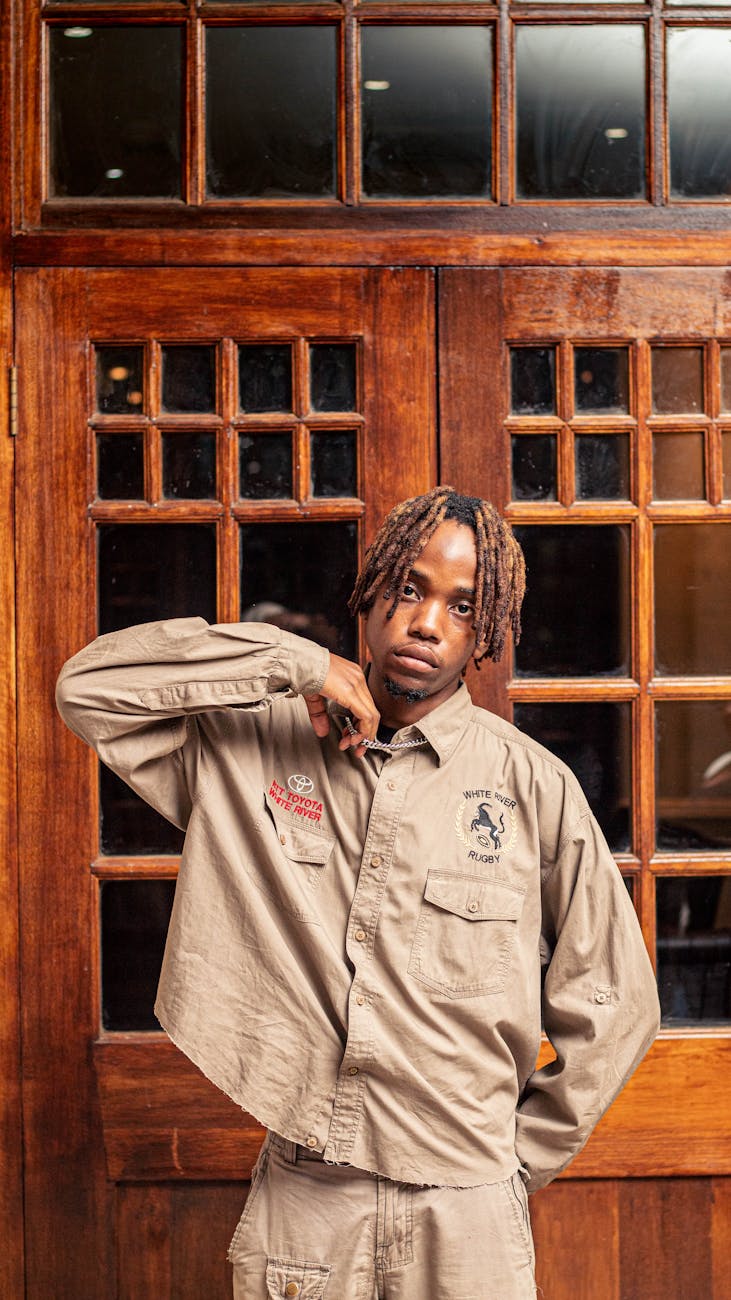
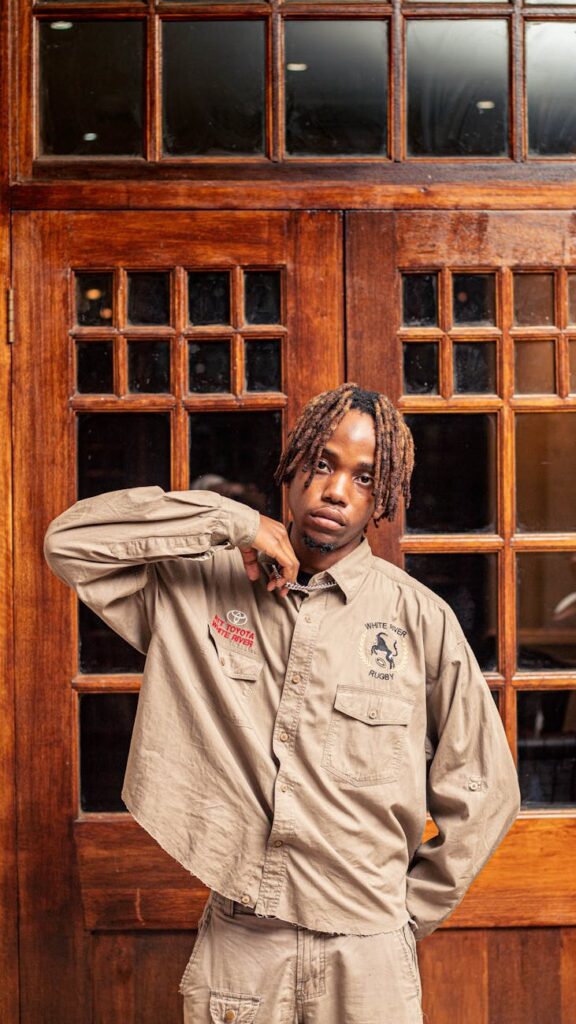
When considering What to Wear on safari, remember that bright colors can disturb wildlife. Opt for neutral shades like khaki, olive green, beige, and brown. These colors blend in with the environment and minimize your impact on the animals. Safari khaki clothing is a classic choice for a reason – it’s practical, comfortable, and effective. Tanzania National Parks Authority
Layering is Crucial
Layering allows you to adapt to changing temperatures throughout the day. Pack lightweight, breathable base layers, such as moisture-wicking t-shirts and long-sleeved shirts. Add a fleece jacket or sweater for warmth during cooler mornings and evenings. A lightweight, waterproof jacket is also essential, especially during the rainy season.
Bottoms: Practicality and Comfort
Choose comfortable and durable trousers or pants. Convertible pants that zip off into shorts are a versatile option. Avoid jeans, as they take a long time to dry if they get wet. Long pants also offer protection from insects and the sun. Shorts are acceptable for warmer days, but remember to pack long sleeves for sun and insect protection.
Footwear: Protecting Your Feet
The Importance of Sturdy Boots
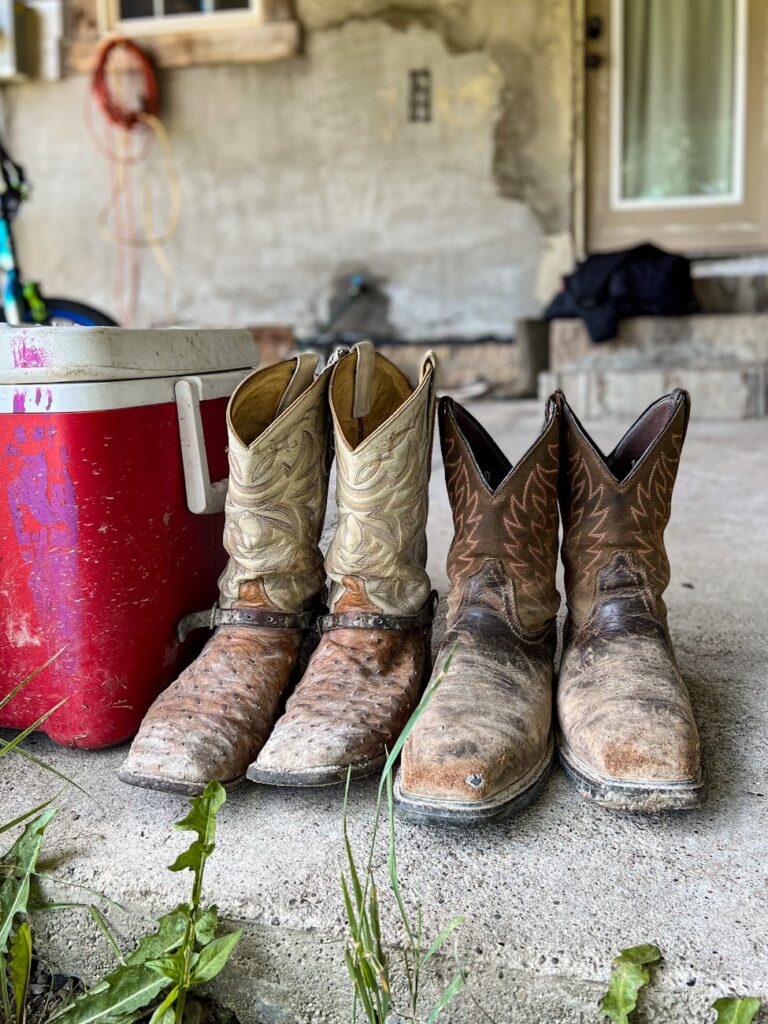
Good footwear is non-negotiable. Safari boots dust and mud are common, so you’ll need boots that are sturdy, comfortable, and provide ankle support. Break in your boots before your trip to avoid blisters. Waterproof boots are a plus, especially during the rainy season.
Sandals or Flip-Flops for Downtime
While boots are essential for game drives and walks, sandals or flip-flops are useful for relaxing at your lodge or camp. These are also handy for showering in shared facilities. Ensure they are comfortable and easy to slip on and off.
Socks: Moisture-Wicking is Best
Pack plenty of moisture-wicking socks to keep your feet dry and comfortable. Avoid cotton socks, as they can trap moisture and lead to blisters. Consider bringing a few pairs of thicker socks for colder evenings. Tanzania Travel Guide
Accessories: Don’t Leave Home Without Them
Sun Protection is Paramount
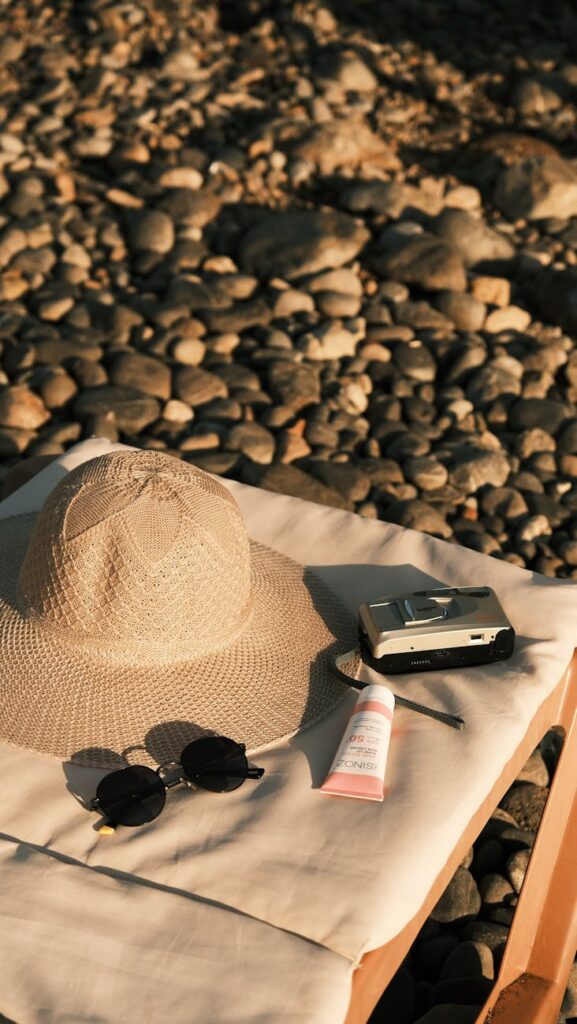
The Tanzanian sun can be intense. A wide-brimmed hat sunscreen safari essentials are vital. Always wear a hat to shield your face and neck from the sun. Apply high-SPF sunscreen liberally and frequently, even on cloudy days. Don’t forget sunglasses to protect your eyes.
Insect Repellent: A Must-Have
Mosquitoes and other insects are prevalent in Tanzania. Pack a strong insect repellent containing DEET or picaridin. Apply it regularly, especially during dawn and dusk. Consider wearing long sleeves and pants in the evenings to further protect yourself.
Binoculars: Enhance Your Wildlife Viewing
Binoculars are essential for spotting wildlife from a distance. Choose a pair with good magnification and clear optics. A neck strap will keep them secure during game drives. They will dramatically improve your safari experience.
Other Useful Accessories
A headlamp or flashlight is useful for navigating around your camp at night. A scarf or bandana can protect your face from dust and sun. A reusable water bottle is essential for staying hydrated. A small backpack is handy for carrying essentials during game drives and walks.
What to Wear on Walking Safaris & Special Considerations
Specific Requirements for Walking Safaris
If you plan on participating in walking safaris, your guide will likely provide specific clothing recommendations. Generally, you’ll want to wear long sleeves and pants to protect yourself from scratches and insect bites. Sturdy boots are essential, and neutral colors are even more important on foot. What to Wear on a walking safari is about blending in and being respectful of the environment.
Cultural Sensitivity
When visiting local villages or communities, it’s important to dress respectfully. Avoid wearing revealing clothing. Shoulders and knees should be covered. Ask your guide for advice on appropriate attire.
Photography Considerations
If you’re a keen photographer, consider clothing with plenty of pockets for carrying lenses, batteries, and memory cards. Neutral colors will also help you blend in and avoid disturbing wildlife while you’re trying to capture the perfect shot. Think about comfort and practicality when choosing your outfit for a day of photography.
Final Thoughts on What to Wear on
Packing for a Tanzanian safari doesn’t have to be overwhelming. By focusing on neutral colors, layering, and practical accessories, you can ensure you’re comfortable and prepared for an incredible adventure. Remember that What to Wear on safari is about functionality, protection, and respect for the environment. Prioritize comfort and durability, and don’t be afraid to ask your tour operator for specific recommendations.
Tanzania awaits with its breathtaking landscapes and incredible wildlife. Now that you know What to Wear on your safari, it’s time to start planning your trip! Explore the Serengeti, witness the Great Migration, and create memories that will last a lifetime. Book your Tanzanian safari today and prepare for the adventure of a lifetime!
Frequently Asked Questions
What colors should I wear on safari in Tanzania?
Neutral colors like khaki, olive green, beige, and brown are best. These colors blend in with the environment and are less likely to attract unwanted attention from insects or disturb the animals. Avoid bright colors like white, blue, black, and red.
What type of clothing material is recommended for a Tanzania safari?
Lightweight, breathable fabrics like cotton and linen are ideal. Quick-drying materials are also a good choice, especially if you anticipate potential rain or washing clothes on the go. Avoid heavy, non-breathable fabrics like denim.
Do I need long sleeves and pants even though it’s hot?
Yes! Long sleeves and pants are highly recommended. They provide protection from the sun, insects (including mosquitoes), and scratches from vegetation. Lightweight, long-sleeved shirts and convertible pants (that zip off into shorts) are a great option.
What footwear is best for a safari in Tanzania?
Comfortable, sturdy walking shoes or boots are essential. You’ll likely be doing some walking, and the terrain can be uneven. Closed-toe shoes are best for protection. Sandals or flip-flops are okay for around camp, but not for game drives or walks.
Is there a dress code for visiting local villages or towns?
When visiting local villages or towns, it’s respectful to dress modestly. This means covering your shoulders and knees. Avoid revealing clothing. It’s also a good idea to ask your guide for specific advice regarding appropriate attire for the communities you’ll be visiting.