Table of Contents Whether you’re planning your first visit or returning to explore more, Best Time to Climb Kilimanjaro is an experience unlike any other.
Best Time to Climb Kilimanjaro: A Comprehensive Guide
The Best Time to Climb Kilimanjaro is a question we get asked constantly. Planning a Kilimanjaro trek requires careful consideration, and timing is crucial for a successful and enjoyable summit. This complete guide will break down the optimal months, weather patterns, and what to expect during each season. We’ll provide expert tips to help you choose the perfect window for your adventure.
Understanding Kilimanjaro’s Climate
Kilimanjaro’s climate is surprisingly diverse, given its location near the equator. It’s largely dictated by altitude. The mountain creates its own microclimates, ranging from tropical at the base to arctic conditions at the summit. Understanding these variations is key to determining the best time to climb.
Kilimanjaro’s Rainy Seasons
Kilimanjaro experiences two rainy seasons: the long rains from March to May and the short rains from November to December. These periods are generally less favorable for climbing due to increased precipitation, muddy trails, and potential visibility issues. However, some climbers still attempt the mountain during these times, often with discounted rates.
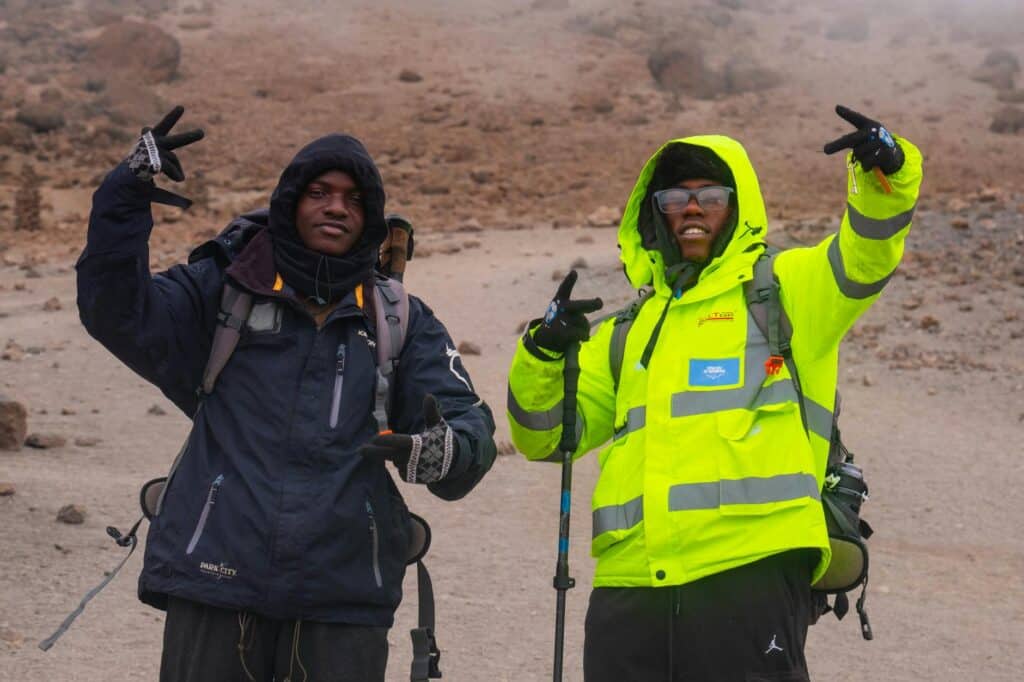
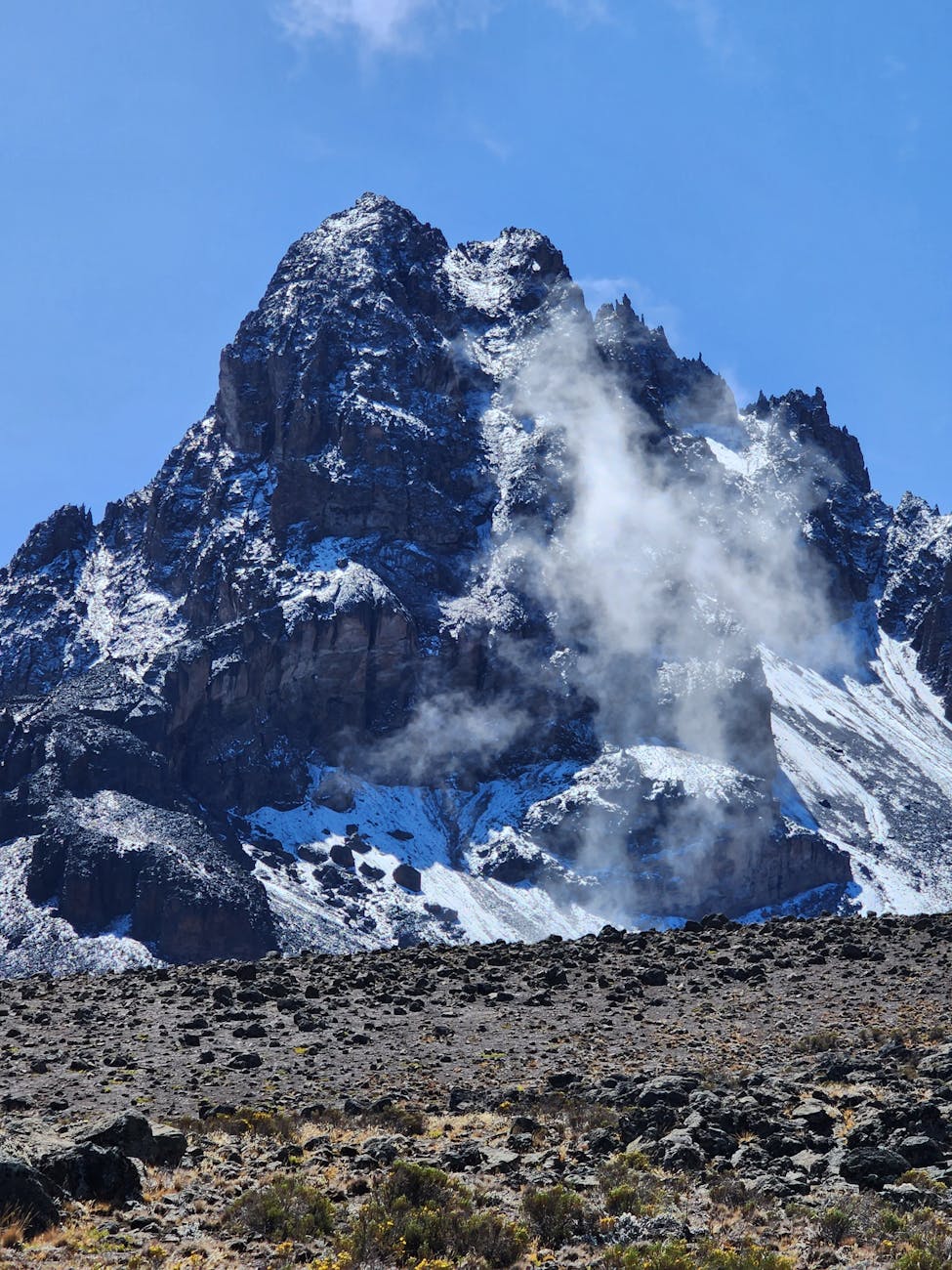
– *Clear sky Kilimanjaro summit*
Temperature Variations by Altitude
At the base of the mountain, temperatures are typically warm and humid. As you ascend, temperatures drop dramatically. The summit can experience temperatures well below freezing, even during the dry seasons. Proper layering and acclimatization are essential, regardless of when you choose to climb. Kilimanjaro Climbing Guide
The Best Months for Climbing Kilimanjaro
Generally, the dry seasons – January to March and June to October – offer the most favorable conditions. However, within these periods, certain months stand out as particularly ideal. These months provide the best balance of clear skies, stable temperatures, and manageable trail conditions.
January – March: Warm and Dry
January, February, and March are often considered the warmest and driest months on Kilimanjaro. This makes them incredibly popular, especially for those seeking milder temperatures. Expect clear skies and stunning views.
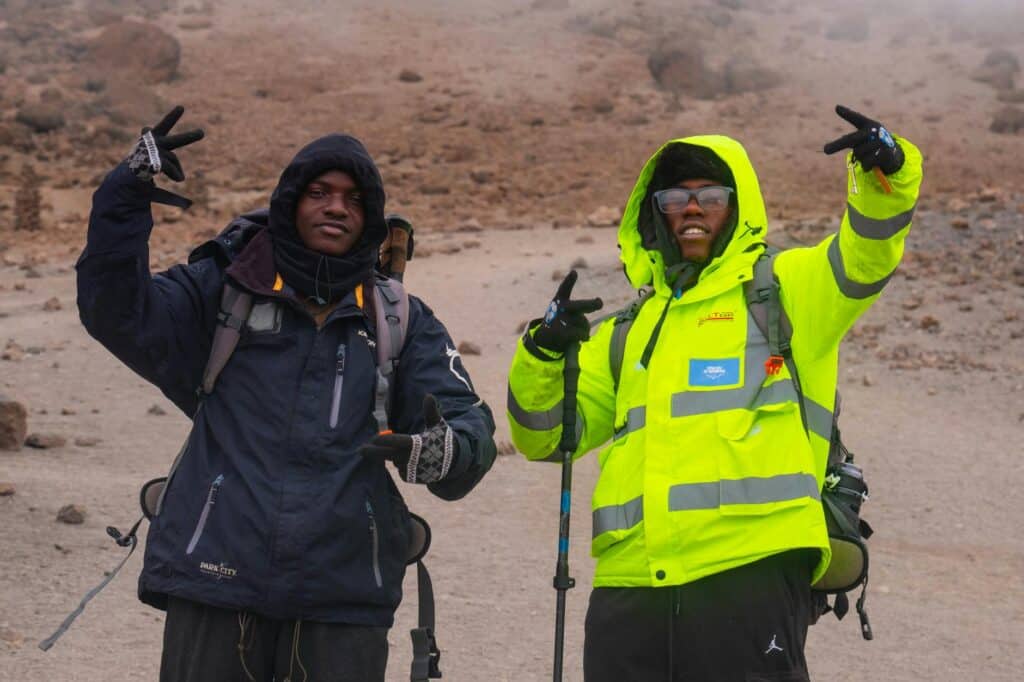
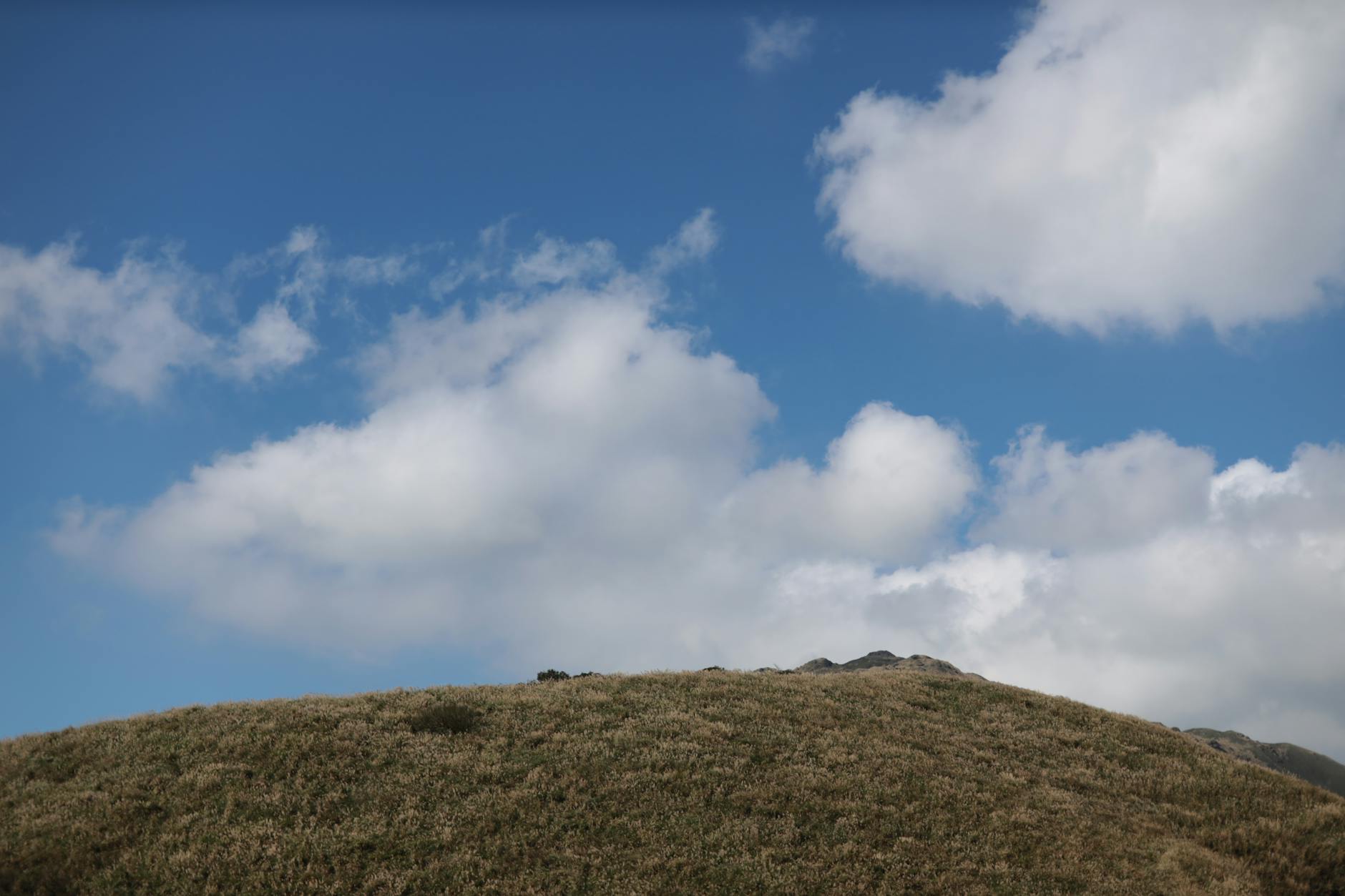
– *January climbing Kilimanjaro* However, this popularity also means higher prices and more crowded trails.
June – October: The Peak Season
June through October represent the peak climbing season. These months offer consistently dry weather and excellent visibility. The trails are generally less muddy, and the risk of rain is minimal. This is the best time to climb for those prioritizing optimal conditions, but be prepared for larger groups on the mountain.
Detailed Look at Each Season
Let’s delve deeper into what you can expect during each season on Kilimanjaro. This will help you make an informed decision based on your preferences and tolerance for different weather conditions.
The Long Rainy Season (March – May)
The long rains can be quite heavy, especially in April and May. Trails become slippery and muddy, making the climb more challenging. Visibility can be significantly reduced due to cloud cover. While fewer climbers attempt the mountain during this time, it’s possible to find discounted rates and a more secluded experience. Tanzania National Parks Authority
The Short Rainy Season (November – December)
The short rains are typically less intense and shorter in duration than the long rains. However, they can still disrupt trekking plans. Expect occasional showers and potentially muddy trails. November is generally drier than December. This can still be a viable option for climbers willing to accept some risk of inclement weather.
Shoulder Seasons (January, June)
January and June represent the shoulder seasons, bridging the gap between the dry and rainy periods. These months often offer a good compromise between favorable weather and fewer crowds. You might experience occasional showers, but overall conditions are usually quite good. These are excellent options if you want to avoid the peak season rush.
Route Considerations and the Best Time to Climb
The route you choose can also influence the best time to climb. Some routes are more exposed to the elements than others. For example, the Northern Circuit is generally less affected by rain than the Machame route.
Machame Route
The Machame route is one of the most popular routes, known for its scenic beauty. However, it can become quite muddy during the rainy seasons. The dry seasons are highly recommended for this route.
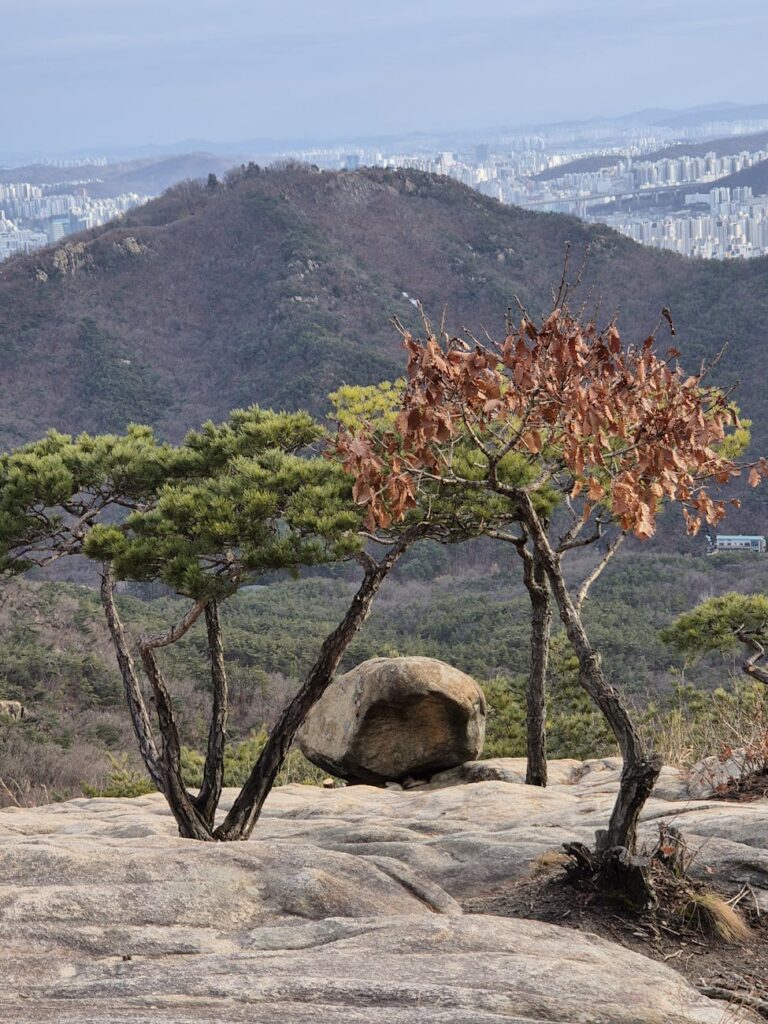
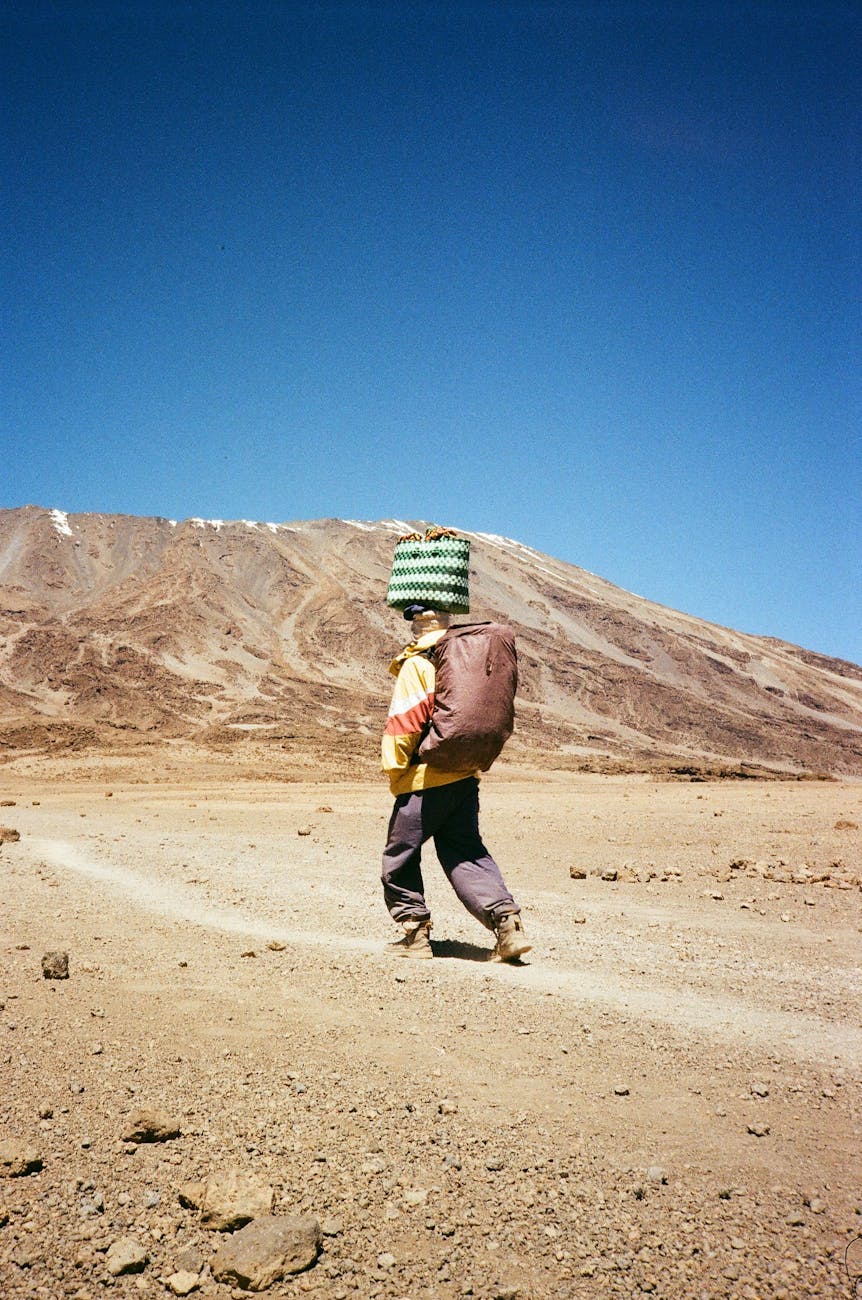
– *Dry season mountain trail*
Marangu Route
The Marangu route, also known as the “Coca-Cola route,” is the only route with hut accommodations. It’s generally less challenging than other routes, but it can also be crowded. The dry seasons are ideal for this route, offering the best conditions for a comfortable trek.
Lemosho Route
The Lemosho route is a longer and more remote route, offering stunning scenery and excellent acclimatization opportunities. It’s less affected by rain than some of the other routes, making it a good option during the shoulder seasons.
Final Thoughts on Best Time to Climb
Determining the best time to climb Kilimanjaro ultimately depends on your individual preferences and priorities. While January to March and June to October generally offer the most favorable conditions, each season has its own unique advantages and disadvantages. Consider your tolerance for rain, crowds, and temperature variations when making your decision. Remember that even during the dry seasons, unpredictable weather can occur at high altitude.
Ready to embark on your Kilimanjaro adventure? Explore our expertly guided treks and let us help you plan the perfect climb. Visit our website today to learn more about our routes, itineraries, and available dates. Don’t delay – your dream of reaching the Roof of Africa awaits!
Frequently Asked Questions
When is the best time to climb Kilimanjaro?
Generally, the best times to climb Kilimanjaro are during the dry seasons: January to March and June to October. January-March offers warmer temperatures but can have more cloud cover. June-October is colder, clearer, and considered the peak season with the best weather conditions for summiting. Avoid the long rainy season (April-May) and the short rainy season (November-December) as trails can be muddy and visibility limited.
Are there any months within the best seasons that are particularly good or bad?
February and September are often considered optimal. February is warmer and drier than January and March. September benefits from being after the peak tourist rush of July and August, while still enjoying excellent weather. December can be unpredictable with the start of the short rains, and November is generally very wet.
What about climbing Kilimanjaro during the rainy seasons? Is it possible?
Yes, it’s possible to climb during the rainy seasons, but it’s significantly more challenging. Trails are muddy and slippery, increasing the risk of falls. Visibility is often poor, and there’s a higher chance of needing to turn back due to weather conditions. Permits are cheaper, and there are fewer crowds, but you need to be prepared for difficult conditions and potential disruptions.
How does altitude affect the best time to climb?
Altitude sickness isn’t directly affected by the time of year, but good weather (clear skies and stable temperatures) during the dry seasons allows for a more comfortable acclimatization process. Extreme weather can make acclimatization harder. Regardless of when you climb, proper acclimatization is crucial for a successful and safe summit.
Does the full moon affect climbing Kilimanjaro?
Many climbers prefer to time their summit attempt to coincide with a full moon. The moonlight can significantly improve visibility during the final ascent, which typically begins in the very early hours of the morning. It’s a beautiful experience and can make the climb more enjoyable, but it’s not essential for success.