Table of Contents Whether you’re planning your first visit or returning to explore more, Budget Safari Planning Tips is an experience unlike any other.
- Budget Safari Planning Tips: Your Ultimate Guide to an Affordable Adventure
- Choosing Your Safari Destination
- Accommodation: From Luxury Lodges to Budget Tents
- Transportation: Getting Around on a Budget
- Food & Drink: Affordable Safari Meals
- Understanding the Cost Breakdown Safari & Saving Money
- Essential Budget Safari Planning Tips for Maximizing Your Experience
- Final Thoughts on Budget Safari Planning Tips
Budget Safari Planning Tips: Your Ultimate Guide to an Affordable Adventure
Budget Safari Planning Tips are essential for anyone dreaming of witnessing Africa’s incredible wildlife without breaking the bank. A safari doesn’t have to be exclusively for the wealthy. Careful planning and smart choices can unlock an unforgettable experience, even on a limited budget. This comprehensive guide will provide expert advice and everything you need to know to make your safari dreams a reality.
Choosing Your Safari Destination
The destination significantly impacts your safari costs. Some countries are inherently more expensive than others. Consider exploring options beyond the well-known, pricier locations like Botswana.
East Africa vs. Southern Africa
East Africa, particularly Tanzania and Kenya, generally offers more affordable safari options. Southern Africa, including Botswana and Namibia, tends to be more luxurious and expensive. However, Namibia can be a surprisingly budget-friendly choice if you’re willing to self-drive and camp.
Consider the type of experience you desire when making your decision.
Shoulder Season Travel
Traveling during the shoulder seasons (just before or after peak season) can yield substantial savings. You’ll encounter fewer crowds and lower prices on accommodation and tours. The weather is still generally good, and wildlife viewing opportunities remain excellent. Avoid peak seasons like July-August and December-January if cost is a major concern. CDC Travel Health: Tanzania
Accommodation: From Luxury Lodges to Budget Tents
Accommodation is often the biggest expense on a safari. Choosing wisely can dramatically reduce your overall costs. There’s a wide spectrum of options available, from opulent lodges to rustic campsites.
Embrace Camping & Budget Safari Tent Camps
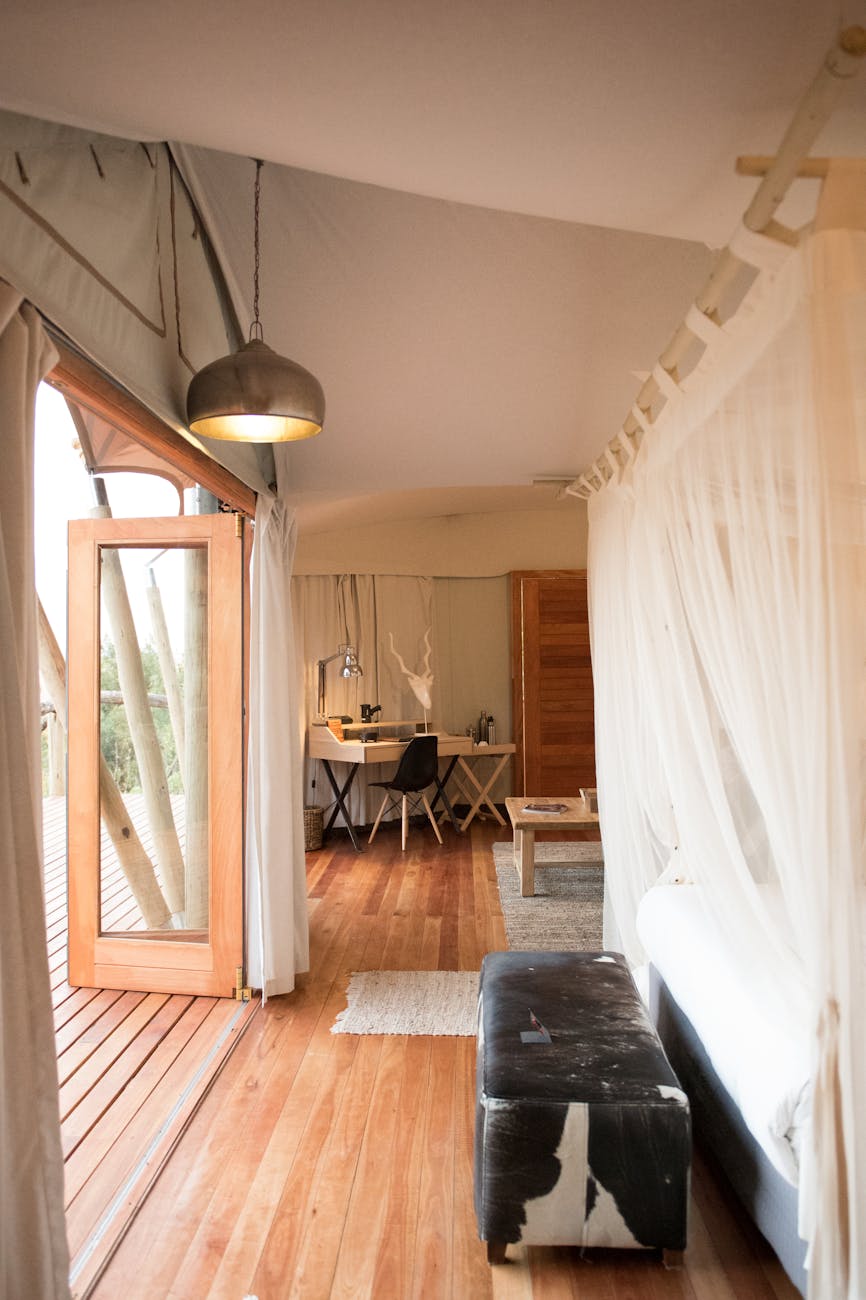
Camping is by far the most affordable accommodation option. Many parks offer designated campsites with basic facilities. Alternatively, consider staying in a budget safari tent camp. These camps offer a comfortable yet affordable experience, often including meals and game drives.

They provide a more immersive experience than staying in a lodge.
Consider Group Tours & Shared Accommodation
Joining a group tour often allows you to share the costs of transportation and guiding. Many tours offer options for shared accommodation, further reducing your expenses. Look for tours specifically designed for budget travelers.
Transportation: Getting Around on a Budget
How you get around during your safari significantly impacts your budget. Private transfers and fly-in safaris are convenient but expensive. Exploring alternative transportation methods can save you a considerable amount of money.
Self-Driving Safaris
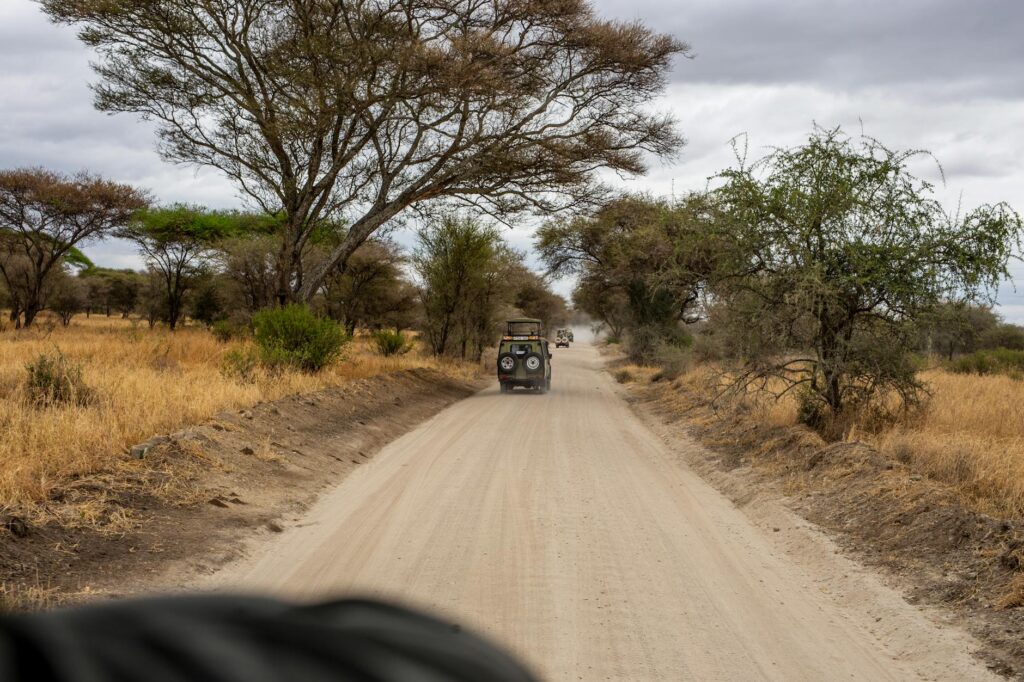
In countries like Namibia and South Africa, self-driving safaris are a popular and affordable option. Renting a 4×4 vehicle allows you to explore at your own pace and access remote areas. Ensure you’re comfortable driving on unpaved roads and have a good understanding of wildlife safety. Tanzania National Parks Authority
Local Transportation & Public Options
Utilizing local buses or shared transport can be a very cost-effective way to travel between cities and parks. While it may take longer, it offers a unique cultural experience. Be prepared for potentially crowded conditions and limited luggage space.
Food & Drink: Affordable Safari Meals
Eating on safari can be surprisingly expensive, especially at lodges. Planning your meals strategically can help you stay within your budget.
Self-Catering & Packing Snacks
If you’re camping or staying in accommodation with cooking facilities, self-catering can save you a lot of money. Pack non-perishable snacks like granola bars, nuts, and dried fruit to avoid buying expensive snacks at lodges. Affordable safari meals don’t have to be bland; simple, nutritious options are readily available.
Local Restaurants & Markets
Venture outside the parks and lodges to explore local restaurants and markets. You’ll find authentic cuisine at a fraction of the price. This is also a great way to experience the local culture.
Understanding the Cost Breakdown Safari & Saving Money
A clear understanding of where your money is going is crucial for effective Budget Safari Planning Tips. Let’s break down the typical costs associated with a safari and explore ways to save.
Typical Safari Costs (Per Person, Per Day)
- Park Fees: $50 – $150
- Accommodation: $30 (camping) – $500+ (luxury lodge)
- Transportation: $50 – $300+ (depending on method)
- Food & Drink: $20 – $80
- Guide & Driver: $100 – $400 (shared)
- Activities (game drives, walking safaris): $50 – $200
Negotiating Prices & Booking in Advance
Don’t be afraid to negotiate prices, especially for tours and activities. Booking in advance, particularly during the low season, can often secure you better deals. Compare prices from different tour operators before making a decision.
Focus on Value, Not Just Price
While saving money is important, don’t sacrifice quality entirely. Choose reputable tour operators and guides who prioritize safety and responsible tourism. A slightly more expensive tour with a knowledgeable guide can significantly enhance your safari experience.
Travel Insurance is Non-Negotiable
Always purchase comprehensive travel insurance that covers medical emergencies, trip cancellations, and lost luggage. This is a crucial investment that can protect you from unexpected costs.
Essential Budget Safari Planning Tips for Maximizing Your Experience
Beyond the core costs, several other strategies can help you stretch your budget further and enhance your safari experience. These Budget Safari Planning Tips are often overlooked but can make a significant difference.
Pack Light & Smart
Avoid checked baggage fees by packing light and bringing only essential items. Choose versatile clothing that can be layered and worn in different conditions. Don’t forget essentials like sunscreen, insect repellent, and a hat.
Bring Your Own Binoculars
Binoculars are essential for wildlife viewing. Renting them can be expensive, so bring your own if possible. A good pair of binoculars will significantly enhance your ability to spot animals.
Learn Basic Swahili or the Local Language
Learning a few basic phrases in the local language can go a long way in building rapport with locals and potentially securing better deals. It also shows respect for the local culture.
Be Flexible & Embrace the Unexpected
Safaris are unpredictable. Be prepared for unexpected delays, changes in plans, and wildlife sightings that don’t go as expected. Embrace the spontaneity and enjoy the adventure.
Final Thoughts on Budget Safari Planning Tips
Planning a budget safari requires careful consideration and a willingness to compromise. However, the rewards – witnessing Africa’s incredible wildlife and experiencing its breathtaking landscapes – are well worth the effort. Remember that Budget Safari Planning Tips aren’t about sacrificing the experience; they’re about making smart choices to maximize your adventure within your financial means.
Don’t let financial constraints hold you back from fulfilling your safari dreams! Start planning your affordable African adventure today. Explore our website for more detailed guides, recommended tour operators, and inspiring travel stories to help you create the safari of a lifetime. Let us help you turn your dream into a reality – begin your journey now!
Frequently Asked Questions
What’s the best time of year to go on a budget safari?
The shoulder seasons (just before or after the peak season) generally offer the best value. For example, November or March/April in East Africa. You’ll often find lower prices on accommodation and tours, and the wildlife viewing is still excellent. Avoid peak seasons like July-August and December-January if cost is a major concern.
Can I save money by camping instead of staying in lodges?
Absolutely! Camping safaris are significantly cheaper than lodge-based safaris. While they’re more rustic, they offer a fantastic immersive experience. Look for mobile camping safaris where the camp moves with the wildlife, or consider public campsites within national parks (though these require more self-sufficiency).
Is it cheaper to book a safari through a tour operator or independently?
It depends. While booking independently *can* be cheaper, it requires a lot of research and logistical planning. A reputable tour operator often has pre-negotiated rates with lodges and transport providers, and can handle all the details, potentially saving you money and stress. Compare quotes from multiple operators and factor in the value of their expertise.
What are some ways to reduce costs on transportation during a safari?
Consider joining a group safari to share transport costs. Opt for overland travel (4×4 vehicles) instead of flying between parks, although this will take longer. If possible, choose destinations closer together to minimize travel distances. Also, look into local buses for shorter hops between towns, but be prepared for a more basic experience.
Are there any hidden costs I should be aware of when budgeting for a safari?
Yes! Factor in costs like park fees (which can be substantial), visa fees, travel insurance, tips for guides and staff, drinks (especially alcoholic beverages), souvenirs, and potential extra activities like hot air balloon rides. Also, budget for pre- and post-safari accommodation and meals if you’re flying in from afar.