Table of Contents Whether you’re planning your first visit or returning to explore more, Kilimanjaro Acclimatization Tips is an experience unlike any other.
- Kilimanjaro Acclimatization Tips: Your Ultimate Guide to a Successful Summit
- Understanding Altitude Sickness and Why Acclimatization Matters
- Choosing the Right Kilimanjaro Route for Acclimatization
- Practical Kilimanjaro Acclimatization Tips for Your Trek
- What to Expect at High Altitude Camps & Mountain Sickness Prevention
- Final Thoughts on Kilimanjaro Acclimatization Tips
Kilimanjaro Acclimatization Tips: Your Ultimate Guide to a Successful Summit
Kilimanjaro Acclimatization Tips are crucial for anyone planning to tackle Africa’s highest peak. Altitude sickness is the biggest threat to a successful climb, and proper acclimatization dramatically increases your chances of reaching the summit. This comprehensive guide will provide expert advice and everything you need to know to prepare your body for the challenges of high altitude.
Understanding Altitude Sickness and Why Acclimatization Matters
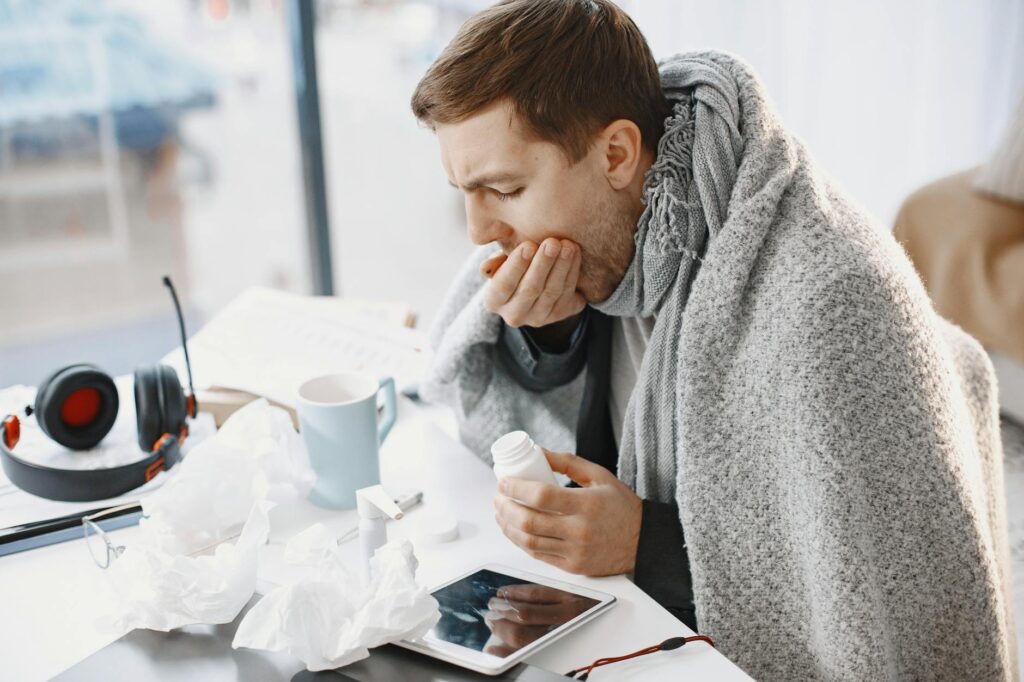
Altitude sickness, also known as Acute Mountain Sickness (AMS), occurs when your body doesn’t get enough oxygen at high altitudes. Symptoms can range from mild headaches and nausea to life-threatening conditions like High Altitude Cerebral Edema (HACE) and High Altitude Pulmonary Edema (HAPE). The key to preventing these issues is gradual ascent, allowing your body time to adjust to the decreasing oxygen levels. Effective Kilimanjaro Acclimatization Tips focus on this principle.
The Science Behind Acclimatization
When you ascend to higher altitudes, your body needs to make several physiological adjustments. These include increasing your breathing rate, producing more red blood cells to carry oxygen, and improving the efficiency of oxygen delivery to your tissues. This process takes time, and rushing it can lead to altitude sickness. Understanding this biological response is fundamental to implementing successful acclimatization strategies.
Factors Influencing Acclimatization
Several factors can influence how well you acclimatize. These include your individual physiology, your fitness level, your ascent rate, and your hydration status. Pre-existing medical conditions can also play a role, so it’s vital to consult your doctor before your climb.
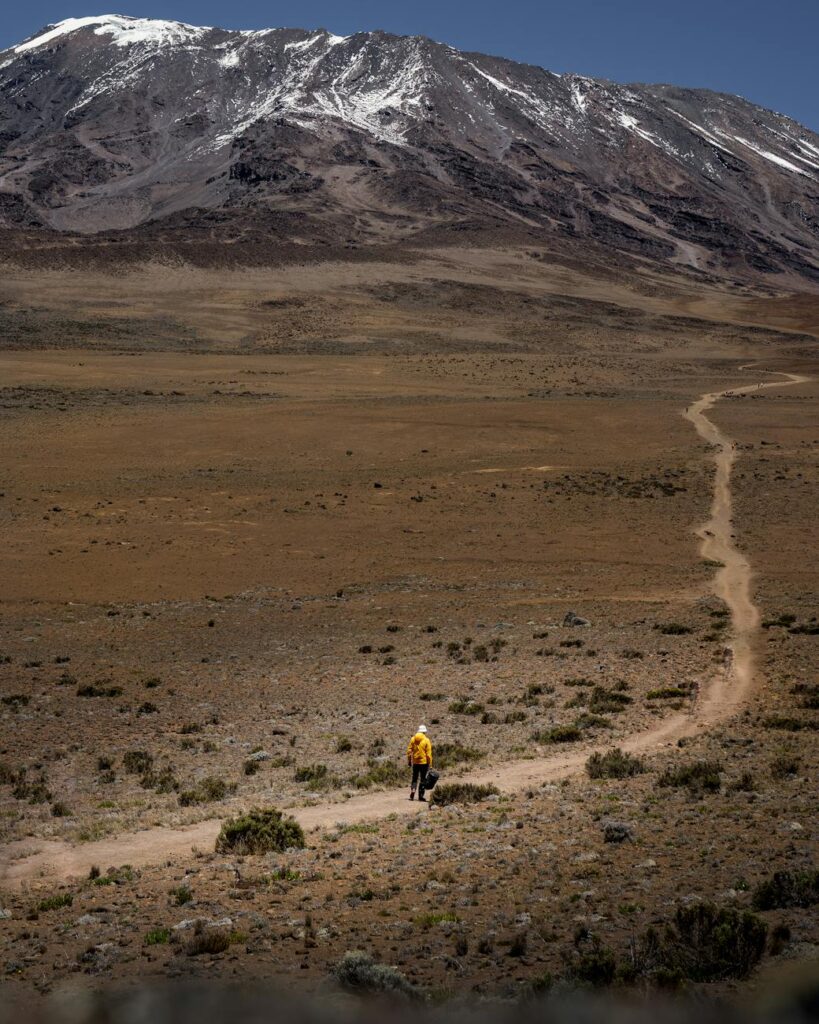
(Caption: An illustration depicting the physiological changes during acclimatization – increased red blood cell production, deeper breathing.) Kilimanjaro Climbing Guide
Choosing the Right Kilimanjaro Route for Acclimatization
Not all Kilimanjaro routes are created equal when it comes to acclimatization. Some routes offer a more gradual ascent profile than others, providing more opportunities for your body to adjust. Selecting a route that prioritizes acclimatization is a smart first step. Consider routes like the Lemosho, Northern Circuit, or Machame, which are known for their longer durations and better acclimatization profiles.
Route Comparison: Gradual vs. Steep Ascent
Shorter routes, like the Marangu route (also known as the Coca-Cola route), offer a faster ascent, which can increase your risk of altitude sickness. While these routes are often cheaper, they sacrifice acclimatization time. The longer routes, while more expensive and demanding physically, significantly improve your chances of a successful and safe summit. Remember, prioritizing acclimatization is an investment in your health and success.
The Importance of “Climb High, Sleep Low”
A core principle of acclimatization is the “climb high, sleep low” strategy. This involves ascending to a higher altitude during the day and then descending to a lower altitude to sleep. This stimulates your body to adapt to higher altitudes without the prolonged stress of sleeping at those elevations. This is a key component of many successful Kilimanjaro Acclimatization Tips.
Practical Kilimanjaro Acclimatization Tips for Your Trek
Beyond route selection, there are several practical steps you can take to improve your acclimatization. These include pacing yourself, staying hydrated, eating a high-calorie diet, and avoiding alcohol and smoking. These seemingly small adjustments can make a huge difference in your body’s ability to cope with the altitude.
Hydration and Nutrition
Drink at least 3-4 liters of water per day to stay adequately hydrated. Dehydration can exacerbate the symptoms of altitude sickness. Focus on consuming a diet rich in carbohydrates, as they provide the energy your body needs to function at high altitude. Avoid excessive protein intake, as it can be harder to digest at altitude.
(Caption: A hiker drinking water during an acclimatization walk on Kilimanjaro.) Tanzania Travel Guide
Pacing and Rest
Walk slowly and steadily, maintaining a consistent pace. Avoid overexertion, especially during the first few days of your trek. Listen to your body and take breaks when you need them. Regular rest days, or at least shorter hiking days with more time for rest, are essential for acclimatization. Kilimanjaro Acclimatization Tips always emphasize the importance of a slow and steady pace.
Monitoring Your Symptoms
Be aware of the symptoms of altitude sickness and monitor yourself and your fellow trekkers closely. Common symptoms include headache, nausea, fatigue, dizziness, and loss of appetite. If you or someone in your group experiences these symptoms, inform your guide immediately. Early detection and intervention are crucial.
What to Expect at High Altitude Camps & Mountain Sickness Prevention
Life at high altitude camps is different from anything you’ve experienced before. Expect colder temperatures, thinner air, and reduced appetite. Understanding what to expect can help you prepare mentally and physically. Proper preparation and adherence to acclimatization protocols are vital for preventing mountain sickness.
High Altitude Camp Rest and Recovery
At high altitude camps, prioritize rest and recovery. Avoid strenuous activity and focus on staying warm and hydrated. Your guide will likely provide hot drinks and snacks to help you maintain your energy levels.
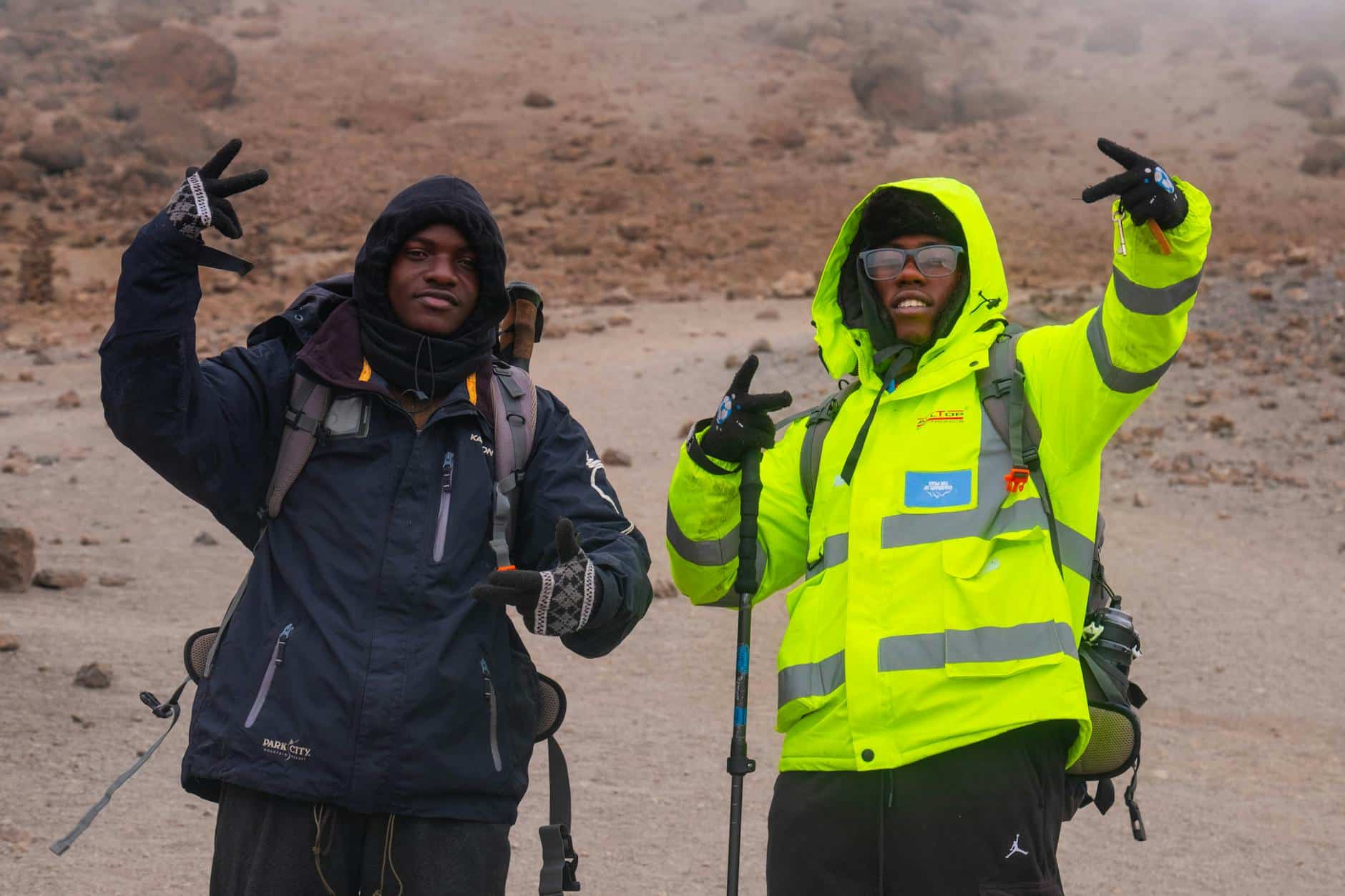
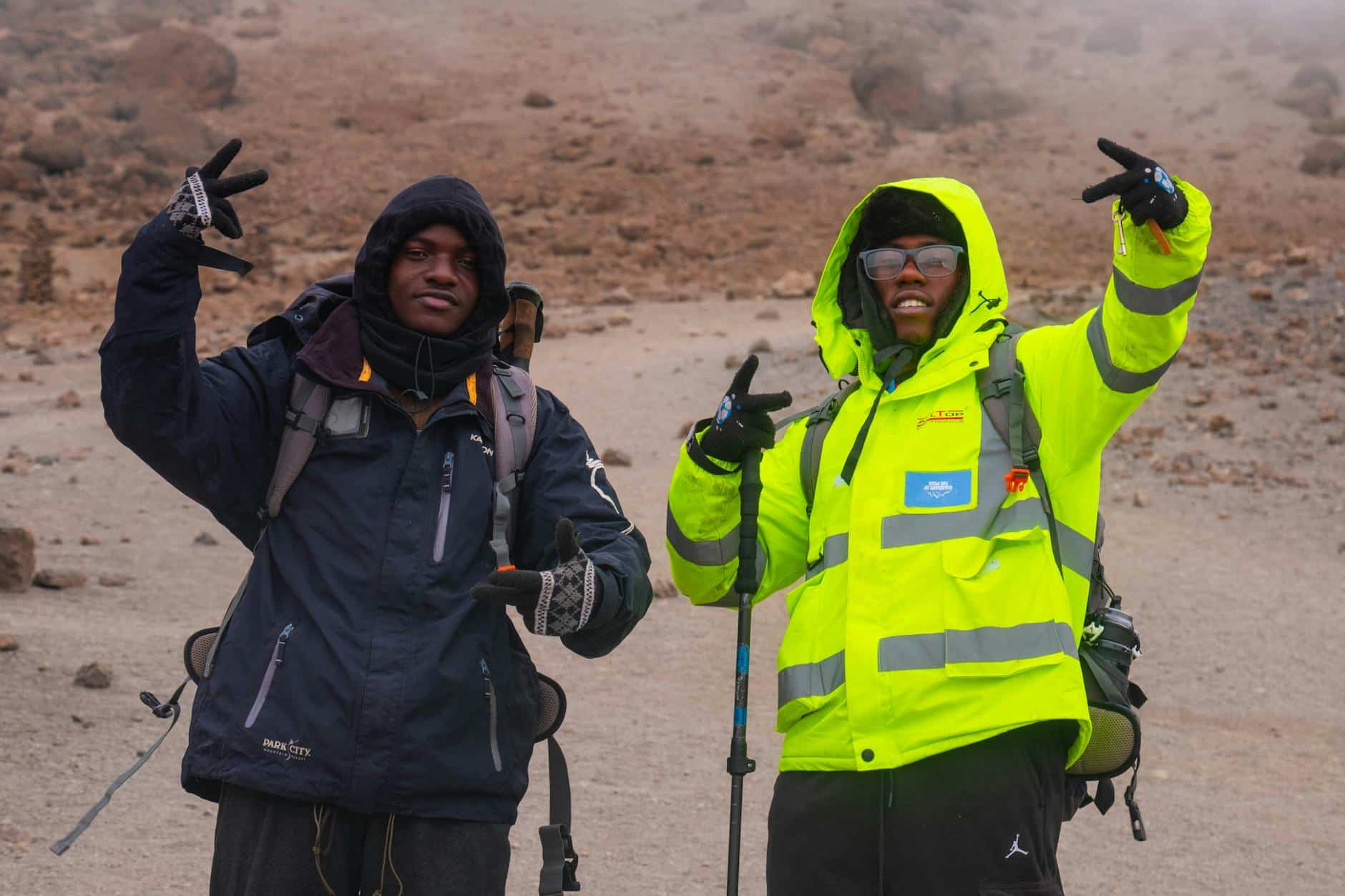
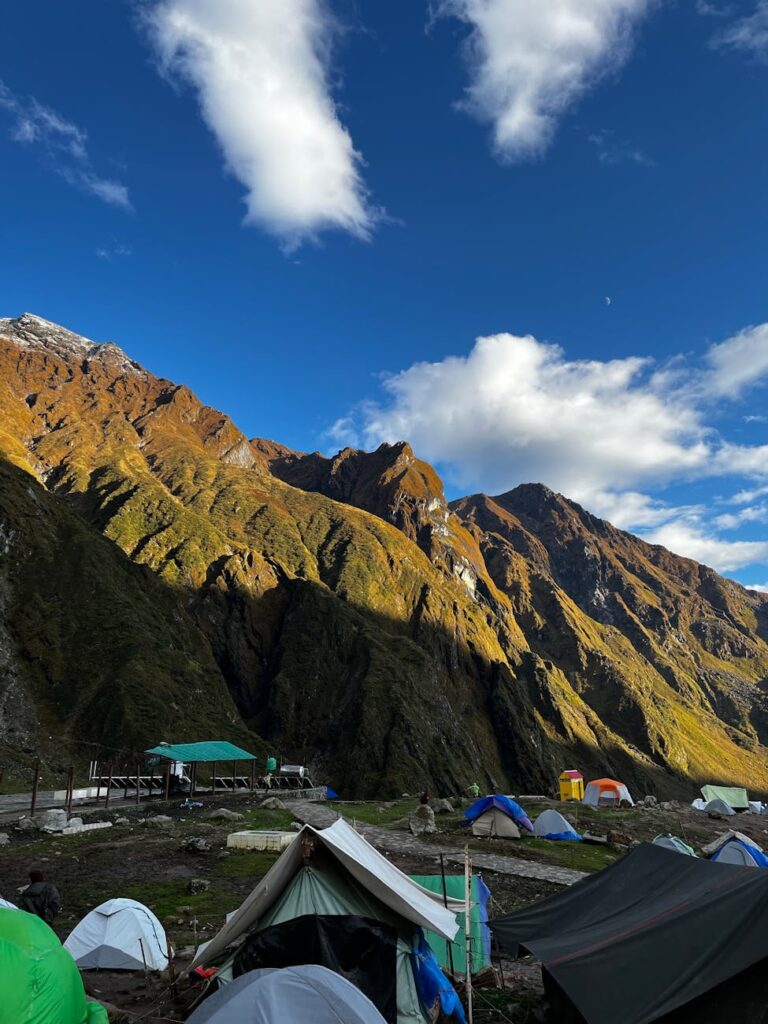
(Caption: Trekkers resting at a high altitude camp on Kilimanjaro, bundled up against the cold.) Taking time for High altitude camp rest is essential.
Medications for Altitude Sickness Prevention
Your doctor may prescribe medications like acetazolamide (Diamox) to help prevent altitude sickness. This medication can help your body acclimatize more quickly by increasing your breathing rate and promoting the excretion of bicarbonate. However, it’s important to discuss the potential side effects with your doctor before taking it. Medication should be used as a supplement to, not a replacement for, proper acclimatization.
Recognizing and Responding to Severe Symptoms
If someone develops severe symptoms of altitude sickness, such as HACE or HAPE, immediate descent is the only effective treatment. Your guide should have oxygen and other emergency equipment available. Do not hesitate to descend if necessary, even if it means abandoning your summit attempt. Your life is more important than reaching the top. Mountain sickness prevention is paramount.
Final Thoughts on Kilimanjaro Acclimatization Tips
Climbing Kilimanjaro is an incredible achievement, but it requires careful planning and preparation. Prioritizing acclimatization is the single most important thing you can do to increase your chances of success and ensure a safe and enjoyable experience. Remember to choose a suitable route, pace yourself, stay hydrated, and listen to your body. By following these Kilimanjaro Acclimatization Tips, you’ll be well on your way to standing on the Roof of Africa.
Ready to start planning your Kilimanjaro adventure? Explore our range of guided treks and expert advice to make your dream a reality. Visit our website today to learn more and book your unforgettable journey! Don’t delay – the mountain awaits!
Frequently Asked Questions
What is acclimatization and why is it so important for Kilimanjaro?
Acclimatization is your body’s process of adjusting to lower oxygen levels at higher altitudes. On Kilimanjaro, the air gets significantly thinner as you ascend. Without proper acclimatization, you risk Acute Mountain Sickness (AMS), High Altitude Cerebral Edema (HACE), or High Altitude Pulmonary Edema (HAPE) – all potentially life-threatening conditions. Climbing slowly and allowing your body time to adapt is *crucial* for a safe and successful summit.
How can I best acclimatize on Kilimanjaro?
The most effective method is to “climb high, sleep low.” This means ascending to a higher altitude during the day, then descending to a lower altitude to sleep. Choose a longer route (7-9 days) which allows for more gradual ascent. Drink plenty of water (3-4 liters daily), avoid alcohol and smoking, and eat a high-carbohydrate diet. Listen to your body and inform your guides of any symptoms you experience.
What are the early symptoms of Acute Mountain Sickness (AMS) and what should I do if I experience them?
Early symptoms of AMS include headache, nausea, fatigue, dizziness, and loss of appetite. If you experience these, *immediately* tell your guide. Do not continue ascending. Rest, hydrate, and consider descending if symptoms worsen. Your guide will monitor your condition and make decisions based on your health and the severity of your symptoms. Never try to “push through” AMS.
Is Diamox (Acetazolamide) helpful for acclimatization?
Diamox can help some people acclimatize by increasing breathing rate and helping the body process oxygen more efficiently. However, it’s not a substitute for proper acclimatization techniques. It has potential side effects (tingling in fingers/toes, increased urination) and requires a prescription from your doctor. Discuss whether Diamox is right for you with your physician *before* your climb.
How important is hydration for acclimatization?
Extremely important! Altitude causes you to breathe faster and lose more fluids, leading to dehydration. Dehydration exacerbates AMS symptoms. Drink 3-4 liters of water *daily*, even if you don’t feel thirsty. Avoid sugary drinks and excessive caffeine, as they can have a diuretic effect. Your guides will remind you to drink regularly, but take personal responsibility for your hydration.