Table of Contents Whether you’re planning your first visit or returning to explore more, Kilimanjaro Climbing Tips for Beginners is an experience unlike any other.
- Kilimanjaro Climbing Tips for Beginners: Your Ultimate Guide
- Understanding the Kilimanjaro Challenge
- Essential Gear and Packing List
- Training for Kilimanjaro: Physical Preparation
- On the Mountain: Daily Life and Summit Night
- Dealing with Altitude Sickness and Staying Safe
- Final Thoughts on Kilimanjaro Climbing Tips for
Kilimanjaro Climbing Tips for Beginners: Your Ultimate Guide
Kilimanjaro Climbing Tips for beginners are essential for a successful and enjoyable trek to the “Roof of Africa.” Mount Kilimanjaro, the highest free-standing mountain in the world, presents a unique challenge, but with proper preparation and knowledge, anyone with a reasonable level of fitness can reach the summit. This comprehensive guide will cover everything you need to know, from training and gear to acclimatization and summit night strategies. We’ll provide expert advice to help you navigate this incredible adventure.
Understanding the Kilimanjaro Challenge
Kilimanjaro isn’t technically difficult, meaning you don’t need ropes or specialized climbing equipment. However, its sheer altitude and varying climate zones make it a demanding trek. The biggest challenge is altitude sickness, which affects many climbers. Understanding the risks and knowing how to mitigate them is paramount to a safe and successful climb.
Choosing the Right Route
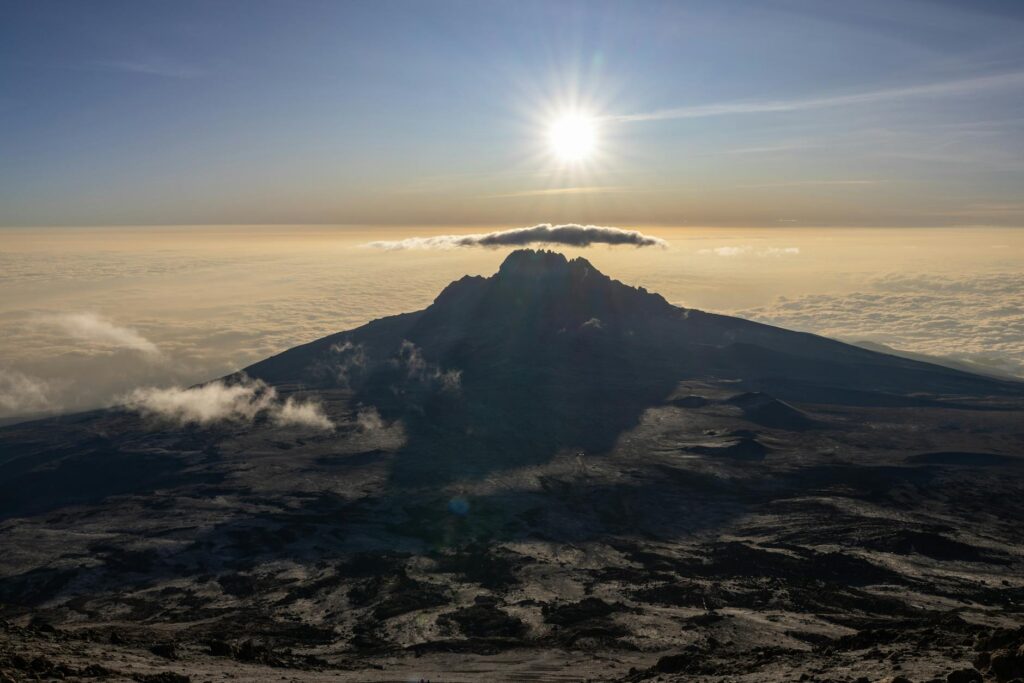
Several routes lead to the summit, each with varying difficulty and scenery. Popular options include the Machame, Lemosho, Marangu, and Rongai routes. Machame is known for its beauty and acclimatization profile, while Lemosho offers a more remote and less crowded experience. Marangu is the only route with hut accommodation, but it’s also the most crowded. Rongai approaches from the north and is generally drier.
Consider your fitness level and preferences when selecting a route. Longer routes generally offer better acclimatization opportunities. Research each route thoroughly and choose one that aligns with your goals and capabilities. Kilimanjaro Climbing Tips for route selection often involve prioritizing acclimatization over speed. Kilimanjaro Climbing Guide
The Importance of Acclimatization
Acclimatization is the process of your body adjusting to the lower oxygen levels at higher altitudes. It’s the most crucial aspect of a Kilimanjaro climb. Climbing too quickly can lead to altitude sickness, ranging from mild headaches to life-threatening conditions. “Climb high, sleep low” is a key principle – ascending to higher altitudes during the day and descending to sleep at a lower elevation.
Drink plenty of water, avoid alcohol and smoking, and listen to your body. Inform your guides immediately if you experience any symptoms of altitude sickness. Proper acclimatization significantly increases your chances of reaching the summit safely and enjoying the experience.
Essential Gear and Packing List
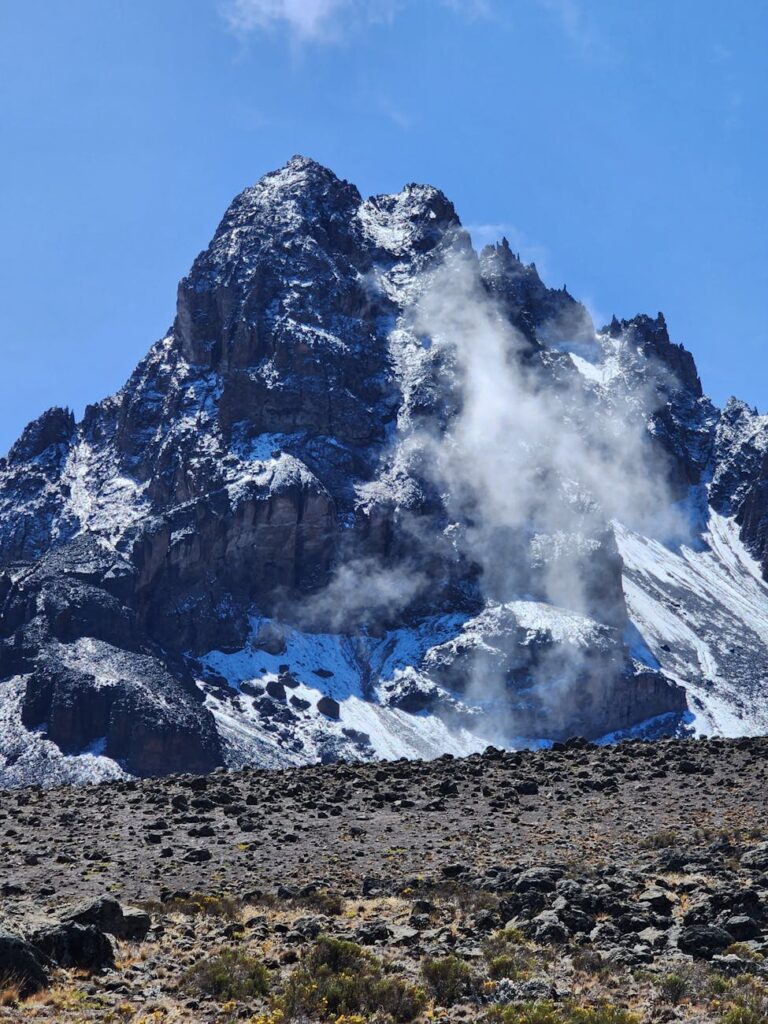
Having the right gear can make or break your Kilimanjaro experience. A well-prepared packing list is essential. Focus on layering, as temperatures can fluctuate dramatically throughout the day. Invest in high-quality hiking boots that are well broken-in before the trek. A waterproof and windproof outer shell is also crucial.
Clothing and Footwear
Pack moisture-wicking base layers, fleece jackets, insulated outerwear, and waterproof pants. Bring several pairs of hiking socks to prevent blisters. Gloves, a warm hat, and a neck gaiter are also essential for protecting against the cold. Don’t forget sunglasses and sunscreen to shield yourself from the intense sun at high altitude.
Other Essential Items
A headlamp with extra batteries is vital for summit night. A comfortable backpack (around 60-70 liters) is needed to carry your personal belongings. Bring a water bottle or hydration reservoir, trekking poles for stability, and a first-aid kit with essential medications. Consider bringing a portable charger for your electronic devices. Kilimanjaro Climbing Tips for packing emphasize lightweight and functional items. Tanzania Travel Guide
Training for Kilimanjaro: Physical Preparation
You don’t need to be an elite athlete to climb Kilimanjaro, but a good level of fitness is essential. Start training several months in advance, focusing on cardiovascular endurance and strength training. Hiking with a weighted backpack is excellent preparation. Include hill repeats and stair climbing in your routine to simulate the ascent.
Cardiovascular Training
Engage in activities like running, swimming, cycling, or brisk walking. Aim for at least 30 minutes of moderate-intensity exercise most days of the week. Gradually increase the intensity and duration of your workouts over time. Interval training can also be beneficial for improving your cardiovascular fitness.
Strength Training
Focus on strengthening your legs, core, and back. Squats, lunges, push-ups, and planks are all effective exercises. Strength training will help you carry your backpack comfortably and navigate the challenging terrain. Don’t neglect flexibility exercises, such as stretching and yoga, to improve your range of motion and prevent injuries. These Kilimanjaro Climbing Tips for physical preparation are vital.
On the Mountain: Daily Life and Summit Night
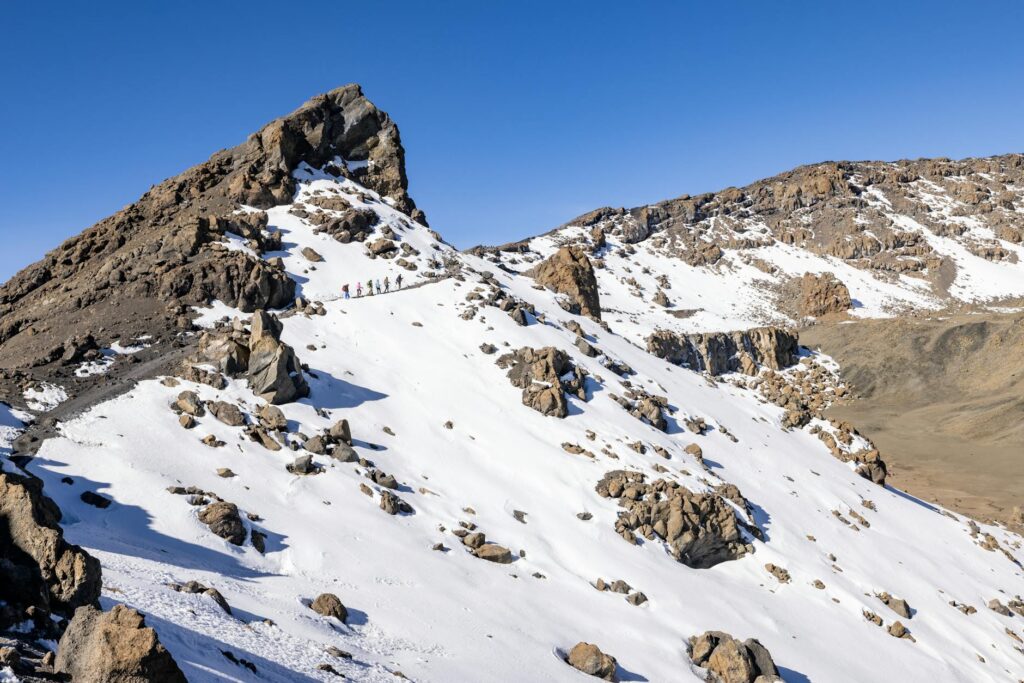
Life on the mountain is relatively simple. You’ll spend your days hiking, eating meals, and resting. Your guides and porters will handle most of the logistics, including setting up camp, cooking meals, and carrying your gear. Take advantage of the opportunity to enjoy the stunning scenery and connect with your fellow climbers.
Daily Routine and Hydration
Wake up early, enjoy a hearty breakfast, and start hiking. Pace yourself and maintain a steady rhythm. Drink plenty of water throughout the day to stay hydrated. Snack frequently on energy bars, nuts, and dried fruit. Listen to your guides’ instructions and follow their advice. A positive attitude and a sense of humor can go a long way.
Summit Night Strategy
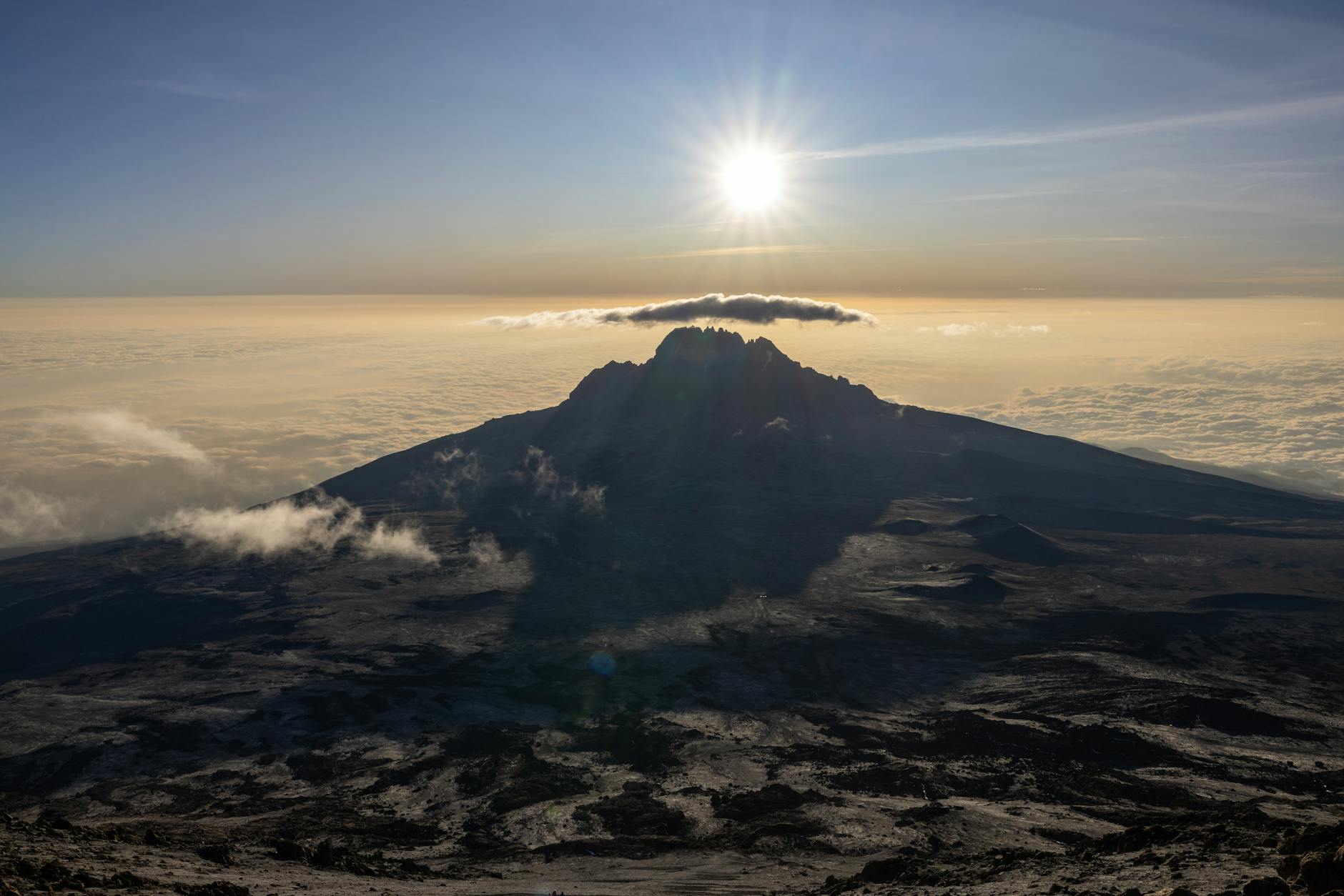
Summit night is the most challenging part of the climb. You’ll typically start hiking around midnight, aiming to reach the summit before sunrise. Dress warmly in multiple layers. Maintain a slow and steady pace, and focus on putting one foot in front of the other. Your guides will monitor your condition and provide encouragement. Reaching the Kilimanjaro summit crater is an unforgettable experience. Remember to celebrate your achievement!
Dealing with Altitude Sickness and Staying Safe
Altitude sickness is a serious concern on Kilimanjaro. Recognizing the symptoms and taking appropriate action is crucial. Mild symptoms include headache, nausea, and fatigue. More severe symptoms include shortness of breath, dizziness, and loss of coordination. If you experience any symptoms, inform your guides immediately.
Preventative Measures
Acclimatize properly, drink plenty of water, avoid alcohol and smoking, and ascend slowly. Consider taking a prophylactic medication, such as acetazolamide, after consulting with your doctor. Listen to your body and don’t push yourself too hard. Your guides are trained to recognize and treat altitude sickness. They will monitor your oxygen saturation levels and provide assistance if needed.
Emergency Procedures
In severe cases of altitude sickness, descent is the only effective treatment. Your guides will have oxygen and emergency evacuation procedures in place. Ensure you have comprehensive travel insurance that covers helicopter evacuation. Prioritize your safety and don’t hesitate to turn back if you’re feeling unwell. These Kilimanjaro Climbing Tips for safety are non-negotiable.
Final Thoughts on Kilimanjaro Climbing Tips for
Climbing Kilimanjaro is a life-changing experience. It’s a challenging but rewarding adventure that will test your physical and mental limits. By following these Kilimanjaro Climbing Tips for beginners, you can significantly increase your chances of reaching the summit safely and enjoying every moment of the journey. Remember to prepare thoroughly, listen to your body, and embrace the incredible beauty of the mountain.
Are you ready to embark on the adventure of a lifetime? Explore our Kilimanjaro trek packages and start planning your ascent today! Don’t just dream about reaching the Roof of Africa – make it a reality. Visit our website to learn more and book your unforgettable Kilimanjaro experience. Let us help you create memories that will last a lifetime. Don’t delay, your adventure awaits!
Frequently Asked Questions
What level of fitness do I need to climb Kilimanjaro?
You don’t need to be an elite athlete, but a good level of general fitness is crucial. Focus on cardiovascular training (hiking, running, swimming) and strength training (legs, core). Being able to comfortably hike for several hours with a weighted pack (15-20lbs) is a good indicator. Start training several months in advance.
What’s the best route for a first-time Kilimanjaro climber?
The Machame Route is often recommended for beginners as it offers a good balance of scenery and acclimatization. The Lemosho Route is also excellent, offering more remote scenery and better acclimatization, but is typically more expensive. Avoid the Marangu Route if you’re concerned about acclimatization, as it has a lower success rate for first-timers.
What gear is absolutely essential for climbing Kilimanjaro?
Good quality hiking boots (broken in!), layers of clothing (including waterproof and windproof outer layers), a warm sleeping bag (rated to at least -10°C/14°F), a headlamp with extra batteries, a comfortable backpack, and trekking poles are all essential. Don’t forget sunscreen, a hat, and sunglasses!
How important is acclimatization to the altitude?
Extremely important! Altitude sickness is the biggest risk on Kilimanjaro. Choose a route with a good acclimatization profile (more days on the mountain), drink plenty of water (3-4 liters per day), and listen to your guide. “Climb high, sleep low” is a key principle. Don’t ignore symptoms of altitude sickness – tell your guide immediately.
What should I expect regarding food and water on the mountain?
Most tour operators provide all meals on the mountain, which are surprisingly good and plentiful. Expect carbohydrates to be a major part of the diet to provide energy. Water is usually provided, either bottled or purified. It’s vital to stay hydrated, so drink consistently throughout the day, even if you don’t feel thirsty.