Table of Contents Whether you’re planning your first visit or returning to explore more, Kilimanjaro Cost Breakdown Guide is an experience unlike any other.
Kilimanjaro Cost Breakdown Guide: Your Comprehensive Planning Resource
Planning a trek up Kilimanjaro is an exciting adventure, but understanding the Kilimanjaro Cost Breakdown Guide is crucial for a successful and financially prepared climb. Many factors influence the overall price, from the route you choose to the level of luxury you desire. This guide will provide a detailed look at all the expenses involved, helping you budget effectively for your dream climb. We’ll cover everything from permits and park fees to porter wages and tips.
Understanding the Core Costs of Climbing Kilimanjaro
Permits and Park Fees: A Significant Expense
Kilimanjaro National Park fees form a substantial part of your overall cost. These fees cover park entry, camping fees (if applicable), rescue fees, and conservation efforts. As of late 2023/early 2024, expect to pay around $70 – $110 per person per day for park fees, depending on the route and the number of days on the mountain. These fees are subject to change, so always confirm the latest rates with your tour operator or the Tanzania National Parks Authority (TANAPA).
Trekking Route Impact on Cost
The route you select significantly impacts the Kilimanjaro Cost Breakdown Guide. Shorter routes, like Marangu (the “Coca-Cola route”), are generally cheaper due to fewer days on the mountain. Longer routes, such as Lemosho or Northern Circuit, require more days, increasing park fees, porter support, and overall logistical expenses. However, longer routes offer better acclimatization and higher success rates.
Detailed Breakdown of Trekking Costs
Tour Operator Fees: What You’re Paying For
Most climbers use a tour operator to organize their Kilimanjaro trek. Tour operator fees typically cover permits, park fees, meals on the mountain, accommodation before and after the trek (usually in Moshi or Arusha), transportation to and from the trailhead, and the services of a guide and porters. The price varies greatly depending on the operator’s reputation, the level of service offered, and the inclusions in the package.
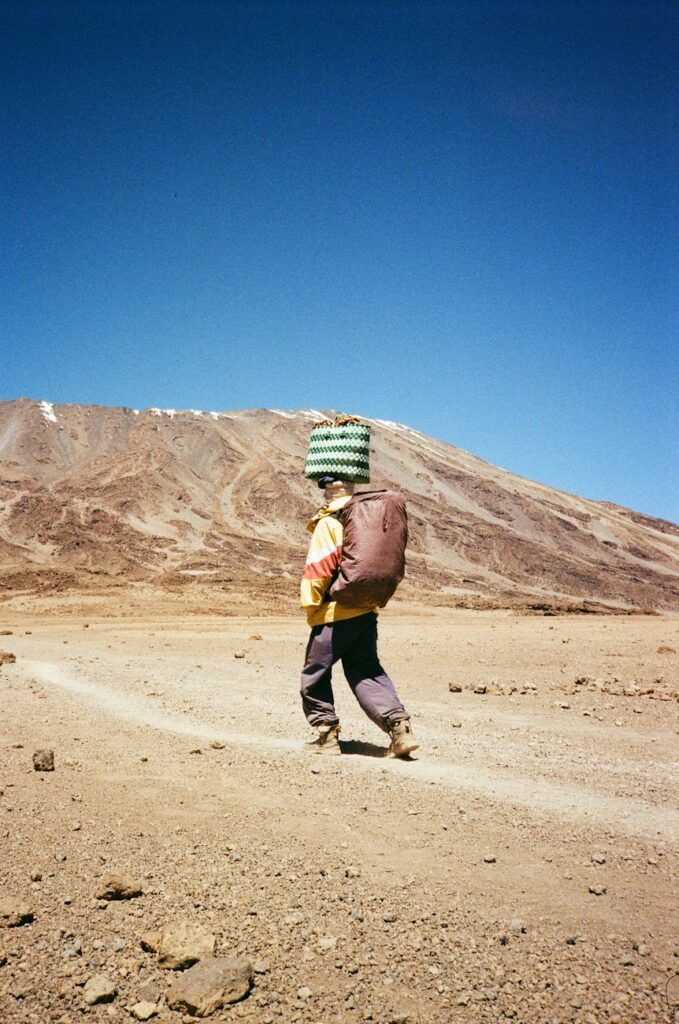
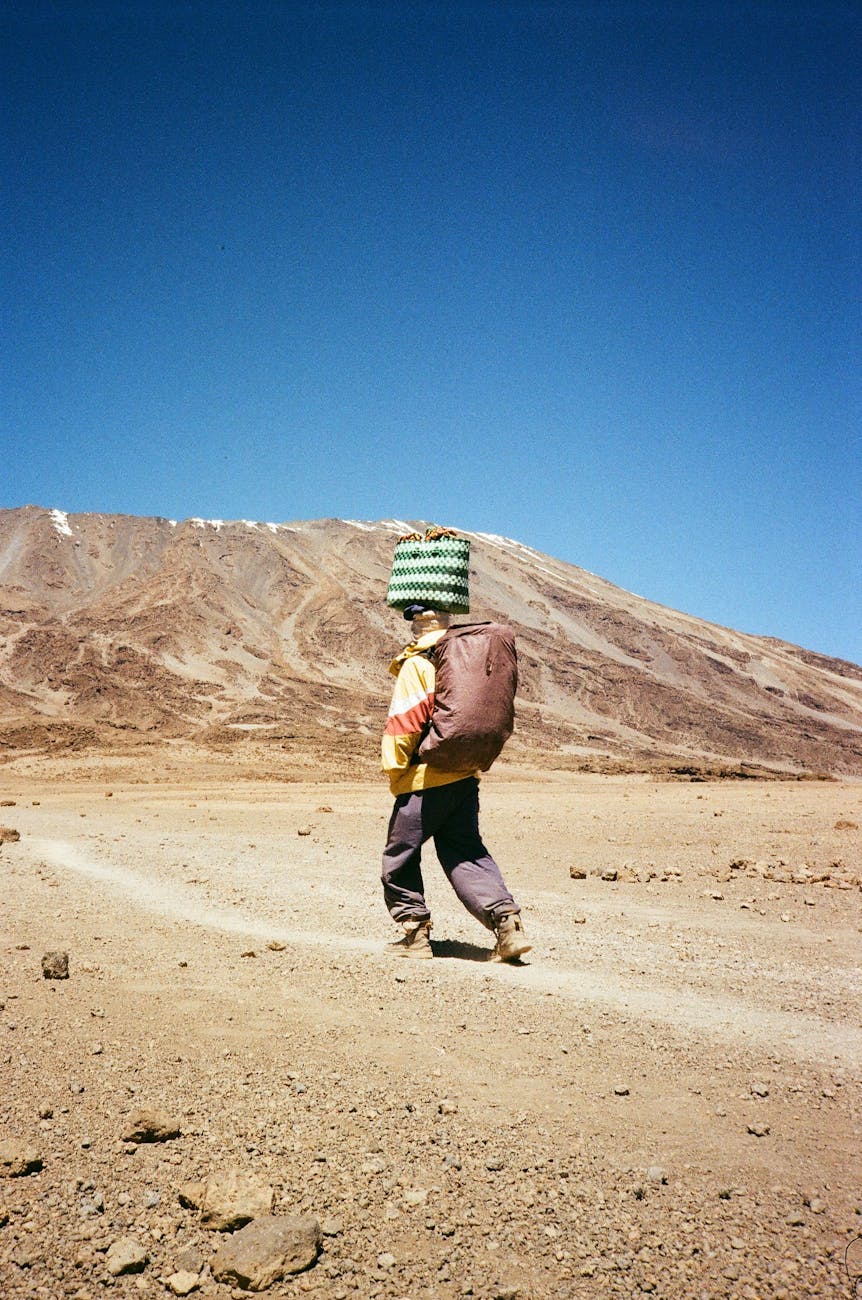
(Kilimanjaro porter team) Kilimanjaro Climbing Guide
Budget operators can start around $2,000 per person, while luxury operators can exceed $6,000 per person. It’s essential to compare quotes carefully and understand what’s included in each package. Don’t automatically choose the cheapest option; prioritize safety, ethical treatment of porters, and a reputable operator.
Porter Wages and Tips: Ethical Considerations
Porters are the unsung heroes of Kilimanjaro. They carry your gear, set up camp, and provide essential support throughout the trek. Ethical tour operators ensure their porters are paid fair wages, provided with adequate clothing and equipment, and treated with respect. Porter wages are typically included in the tour operator fee, but tipping is customary and greatly appreciated. A recommended tipping guideline is $20-$30 per porter per day, depending on their service and the length of the trek.
Guide Fees: Expertise and Safety
Your Kilimanjaro guide is responsible for your safety, acclimatization, and overall enjoyment of the trek. Experienced guides are knowledgeable about the mountain, weather patterns, and altitude sickness. They will monitor your health, make informed decisions about the pace of the climb, and provide valuable insights into the local flora and fauna. Guide fees are also included in the tour operator package.
Additional Expenses to Factor In
Flights and Visas: Getting to Tanzania
International flights to Kilimanjaro International Airport (JRO) are a significant expense. Prices vary depending on your origin, time of year, and booking time. Round-trip flights can range from $800 to $2,000 or more. You’ll also need a Tanzanian visa, which can be obtained online or upon arrival at the airport. Visa costs are typically around $50-$100 per person.
Travel Insurance: Protecting Your Investment
Comprehensive travel insurance is essential for any Kilimanjaro trek. It should cover medical emergencies, evacuation from the mountain (which can be very expensive), trip cancellation, and lost or stolen belongings. Ensure your insurance policy specifically covers high-altitude trekking and helicopter evacuation. Expect to pay between $100 and $300 for adequate travel insurance. Tanzania Travel Guide
Gear and Equipment: Preparing for the Climb
You’ll need to invest in appropriate clothing and equipment for your Kilimanjaro trek. This includes hiking boots, waterproof jackets and pants, thermal layers, a sleeping bag, a headlamp, and a backpack. You can rent some gear in Moshi or Arusha, but it’s generally recommended to bring your own well-fitted boots. The cost of gear can range from $500 to $1,500, depending on the quality and quantity of items you purchase.

(Budget trek planning)
Optional Extras and Luxury Upgrades
Safari Add-ons: Extending Your Adventure
Many climbers choose to combine their Kilimanjaro trek with a safari in Tanzania. Popular safari destinations include the Serengeti National Park, the Ngorongoro Crater, and Tarangire National Park. Safari costs vary depending on the duration, the type of accommodation (camping vs. lodges), and the number of parks visited. A 3-day safari can cost between $600 and $2,000 per person.
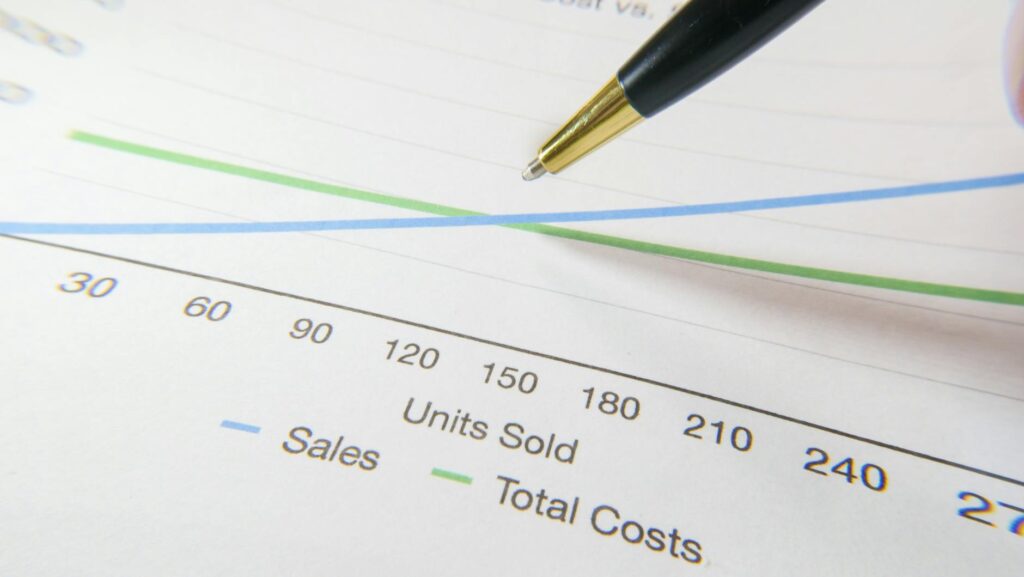
(Safari cost chart)
Private vs. Group Treks: Customization and Comfort
You can choose to join a group trek or opt for a private trek. Group treks are generally more affordable, but they offer less flexibility. Private treks allow you to customize the itinerary, choose your preferred dates, and enjoy a more personalized experience. Private treks are significantly more expensive, but they can be worth it for those seeking a higher level of comfort and control.
Luxury Accommodation and Services
Some tour operators offer luxury accommodation before and after the trek, as well as upgraded services on the mountain, such as private toilets and gourmet meals. These upgrades can significantly increase the cost of your trek, but they can also enhance your overall experience. Consider your priorities and budget when deciding whether to opt for luxury upgrades.
Final Thoughts on Kilimanjaro Cost Breakdown Guide
A successful Kilimanjaro climb requires careful planning and budgeting. This Kilimanjaro Cost Breakdown Guide provides a comprehensive overview of the expenses involved, from permits and park fees to flights and gear. Remember to factor in all potential costs, including tips for your guides and porters, and to choose a reputable tour operator that prioritizes safety and ethical treatment of its staff. Don’t underestimate the importance of travel insurance!
Ready to start planning your Kilimanjaro adventure? Explore our range of trekking packages and expert advice to create the perfect climb for you. Visit our website today to learn more and begin your journey to the Roof of Africa!
Frequently Asked Questions
What does the average cost to climb Kilimanjaro include?
The average cost typically includes park fees (which are a significant portion of the total), guide and porter wages, food and accommodation during the trek (usually camping), transportation to/from the trailhead, and sometimes a pre/post-trek hotel night. It *usually* doesn’t include international flights, visas, travel insurance, tips, or personal gear.
How much of the cost goes towards Kilimanjaro National Park fees?
Kilimanjaro National Park fees currently make up a substantial portion of the overall cost – around $70 – $110 per person per day, depending on the route and number of days on the mountain. For a 7-day climb, this can easily be $500 – $770 or more per person.
What’s the difference in cost between different routes up Kilimanjaro?
Longer routes (like Lemosho or Northern Circuit) are generally more expensive than shorter routes (like Marangu or Machame) due to the increased number of days requiring park fees, food, and porter support. Lemosho and Northern Circuit also tend to be chosen by operators offering more inclusive packages, which adds to the cost. Marangu is often the cheapest, but has a lower summit success rate.
Are tips included in the cost of a Kilimanjaro climb?
No, tips are *almost never* included in the base cost. Tipping guides, cooks, and porters is customary and an important part of their income. You should budget approximately $200 – $500 total for tips, depending on the length of your trek and the level of service. Your tour operator should provide tipping guidelines.
Can I find significantly cheaper Kilimanjaro climbs, and should I?
While cheaper options exist, be very cautious. Extremely low prices often mean corners are cut on porter welfare (low wages, insufficient gear, heavy loads), food quality, safety measures, or even park fees. Choosing a reputable operator who prioritizes responsible tourism and fair treatment of their staff is crucial, even if it means paying a bit more.