Table of Contents Whether you’re planning your first visit or returning to explore more, Kilimanjaro Lemosho Route Complete Guide is an experience unlike any other.
- Kilimanjaro Lemosho Route Complete: Your Ultimate Guide
- Understanding the Lemosho Route
- A Day-by-Day Itinerary of the Kilimanjaro Lemosho Route Complete
- Essential Packing List for the Kilimanjaro Lemosho Route Complete
- Tips for a Successful Kilimanjaro Lemosho Route Complete Trek
- Choosing a Reputable Trekking Company
- Final Thoughts on Kilimanjaro Lemosho Route Complete
Kilimanjaro Lemosho Route Complete: Your Ultimate Guide: Kilimanjaro Lemosho Route Complete Guide
Planning a climb up Kilimanjaro? The Kilimanjaro Lemosho Route Complete is widely considered one of the most beautiful and successful routes to the summit. This comprehensive guide will provide you with everything you need to know, from detailed itinerary information to expert tips for a safe and enjoyable trek. We’ll cover acclimatization, what to pack, and what to expect on this incredible journey.
Understanding the Lemosho Route
The Lemosho Route is a high-altitude trek that begins on the western side of Mount Kilimanjaro. It’s known for its remote and scenic beauty, offering a gradual ascent and excellent acclimatization opportunities. This makes it a popular choice for climbers of all experience levels. It’s a longer route, typically taking 7-8 days, but the increased time allows your body to adjust to the altitude, significantly improving your chances of reaching Uhuru Peak.
Why Choose the Lemosho Route?
Several factors make the Lemosho Route stand out. Firstly, it’s less crowded than the more popular Marangu or Machame routes. This provides a more immersive and peaceful experience. Secondly, the diverse landscapes you’ll encounter are breathtaking.
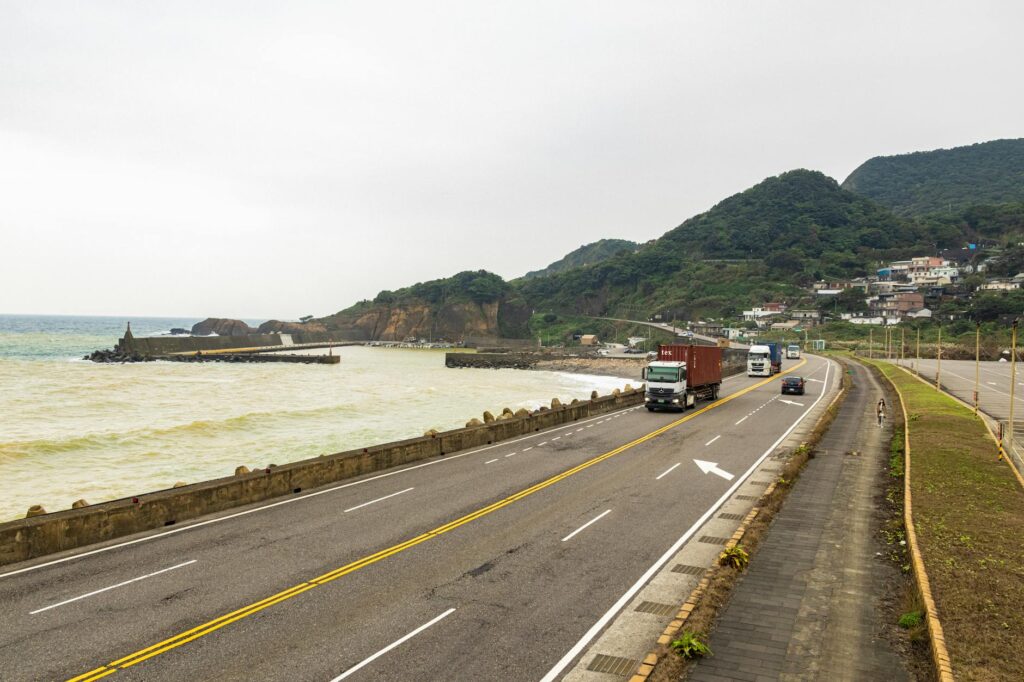
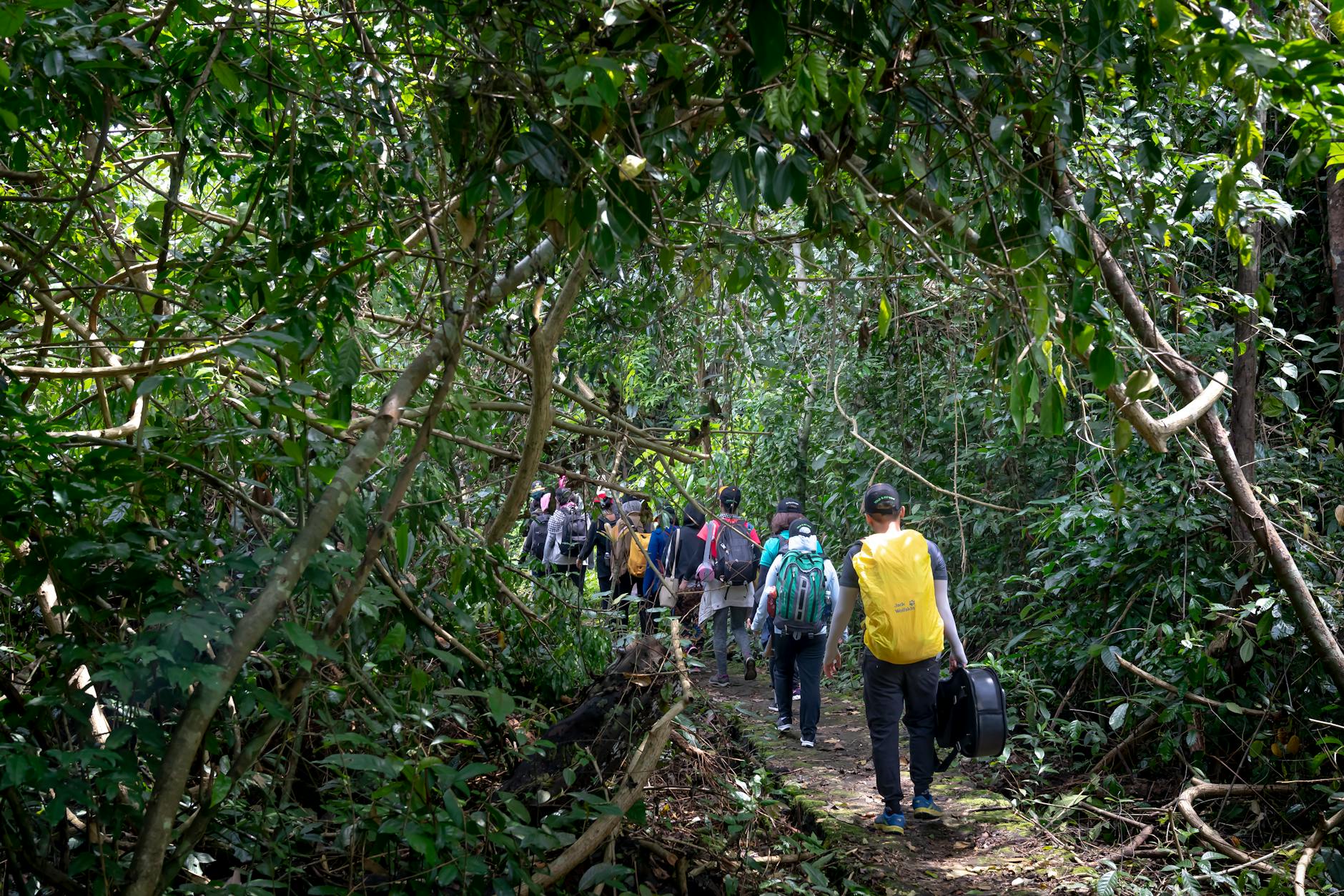
You’ll traverse rainforest, moorland, alpine desert, and finally, the arctic zone near the summit. Finally, the gradual ascent profile is ideal for acclimatization, reducing the risk of altitude sickness.
Lemosho Route Difficulty & Acclimatization
While not technically difficult, the Kilimanjaro Lemosho Route Complete is physically demanding due to the altitude and length. Good physical fitness is essential, but proper acclimatization is even more crucial. The route’s gradual incline allows for better acclimatization compared to shorter, steeper routes. Your guide will monitor your condition closely and implement the “climb high, sleep low” principle to maximize your body’s adaptation to the decreasing oxygen levels. Kilimanjaro Climbing Guide
A Day-by-Day Itinerary of the Kilimanjaro Lemosho Route Complete
Here’s a typical 7-day itinerary for the Lemosho Route. Keep in mind that itineraries can vary slightly depending on your trekking company.
- Day 1: Lemosho Gate (2,250m) to Mti Mkubwa Camp (2,820m). A relatively easy day of hiking through lush rainforest.
- Day 2: Mti Mkubwa Camp to Shira 1 Camp (3,505m). The trail opens up, offering stunning views.
- Day 3: Shira 1 Camp to Shira 2 Camp (3,885m). Explore the beautiful Shira plateau Kilimanjaro.
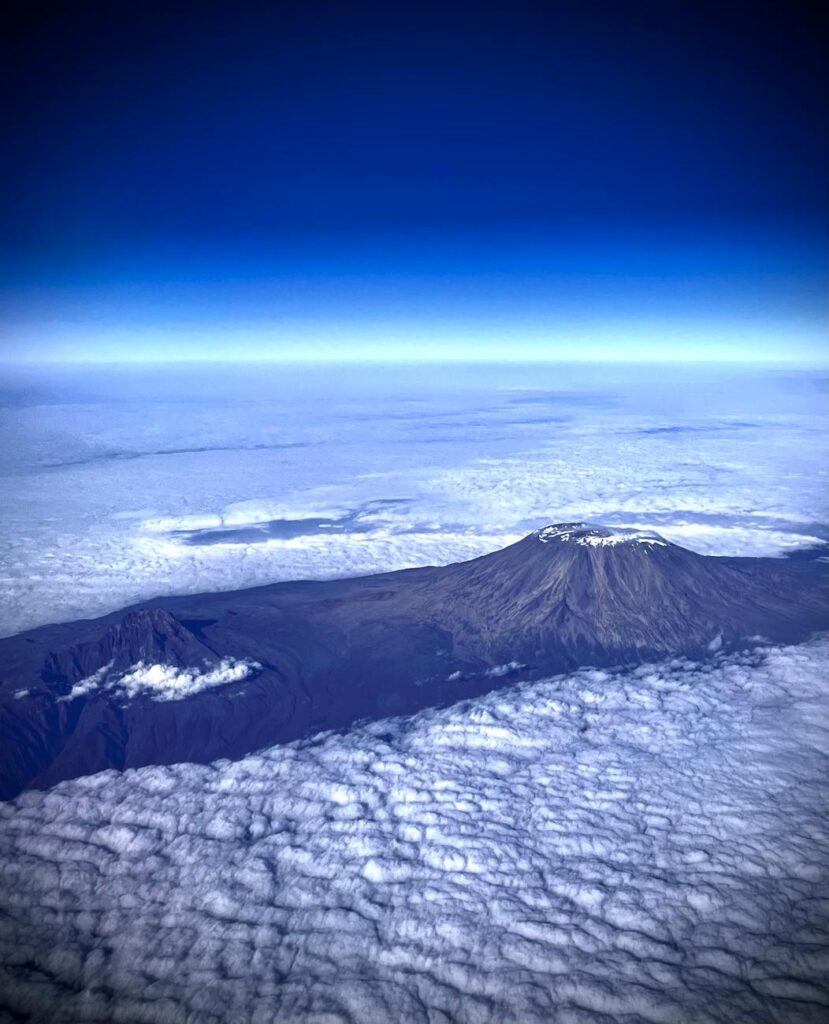
Shira plateau Kilimanjaro This is a great day for acclimatization.
- Day 4: Shira 2 Camp to Barranco Camp (3,970m). A challenging day with a steep ascent and descent.
- Day 5: Barranco Camp to Karanga Camp (4,035m). Known as the “Barranco Wall,” this section involves some scrambling.
- Day 6: Karanga Camp to Barafu Camp (4,640m). The final camp before the summit attempt.
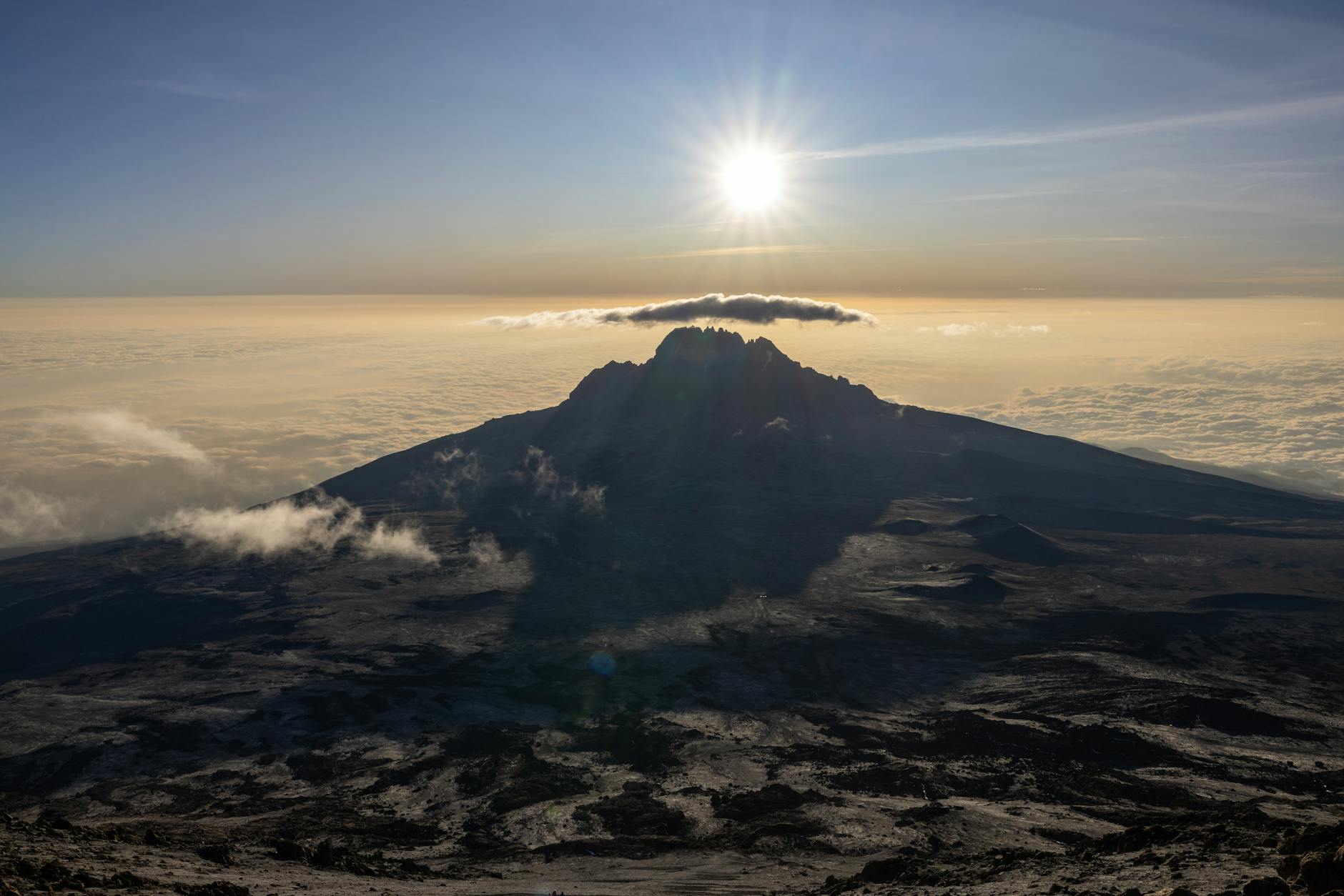
- Day 7: Barafu Camp to Uhuru Peak (5,895m) and descent to Mweka Gate (1,640m). A long and challenging day, starting in the early hours to reach the summit for sunrise Lemosho route views.
Sunrise Lemosho route
Essential Packing List for the Kilimanjaro Lemosho Route Complete
Packing correctly is vital for a comfortable and safe climb. Here’s a breakdown of essential items.
- Clothing: Layering is key! Include thermal underwear, fleece jackets, waterproof and windproof outer layers, hiking pants, and warm socks.
- Footwear: Well-broken-in hiking boots are essential. Bring gaiters to keep out dust and debris.
- Gear: A sturdy backpack (60-70 liters), a sleeping bag rated to -20°C, trekking poles, a headlamp, and sunglasses are crucial.
- Personal Items: Sunscreen, lip balm, insect repellent, a first-aid kit, and personal toiletries.
- Documents: Passport, visa, travel insurance details, and any necessary permits.
Don’t overpack! Porters will carry most of your gear, but there are weight limits. Your trekking company will provide a detailed packing list.
Tips for a Successful Kilimanjaro Lemosho Route Complete Trek
Reaching the summit of Kilimanjaro requires preparation and a positive mindset. Here are some expert tips to increase your chances of success.
- Train Physically: Focus on cardiovascular fitness and strength training. Practice hiking with a weighted backpack.
- Hydrate: Drink plenty of water throughout the trek, even if you don’t feel thirsty.
- Eat Well: Consume a high-calorie diet to fuel your body.
- Listen to Your Guide: Your guide is experienced and knowledgeable. Follow their instructions and advice.
- Pace Yourself: Walk slowly and steadily. Don’t try to rush.
- Manage Altitude Sickness: Be aware of the symptoms of altitude sickness and inform your guide immediately if you experience any.
Remember, the Kilimanjaro Lemosho Route Complete is a challenging but rewarding experience. Taking the time to prepare properly will significantly increase your enjoyment and success. Tanzania Travel Guide
Choosing a Reputable Trekking Company
Selecting the right trekking company is paramount. Look for a company that is licensed and registered with the Kilimanjaro National Park. Check online reviews and compare prices. Ensure they provide adequate porter welfare, including fair wages and proper equipment. A good company will also have experienced guides and a strong safety record.
Porter Welfare and Responsible Tourism
Ethical trekking is crucial. Ensure your chosen company adheres to responsible tourism practices. This includes paying porters a fair wage, providing them with appropriate clothing and equipment, and limiting the weight they carry. Supporting companies that prioritize porter welfare contributes to a more sustainable and ethical tourism industry. The Kilimanjaro Lemosho Route Complete experience should be positive for everyone involved.
Final Thoughts on Kilimanjaro Lemosho Route Complete
The Kilimanjaro Lemosho Route Complete offers an unforgettable adventure. Its stunning scenery, gradual ascent, and excellent acclimatization opportunities make it a fantastic choice for climbers of all levels. With careful preparation, a positive attitude, and a reputable trekking company, you can increase your chances of reaching the Roof of Africa and creating memories that will last a lifetime.
Are you ready to embark on the adventure of a lifetime? Start planning your Kilimanjaro trek today! Explore different trekking companies, research the best time to climb, and prepare yourself for an experience that will challenge and inspire you. Don’t just dream about reaching the summit – make it a reality!
Frequently Asked Questions
What is the Lemosho Route known for?
The Lemosho Route is renowned for its stunning scenery, lower crowds compared to other routes, and excellent acclimatization profile. It approaches Kilimanjaro from the west, offering diverse landscapes from rainforest to alpine desert, and a higher success rate due to the gradual ascent.
How many days does it typically take to complete the Lemosho Route?
The Lemosho Route is typically completed in 7 or 8 days. While a 6-day option exists, it’s generally not recommended as it significantly reduces acclimatization time and lowers the chances of a successful summit. 8 days provides the best balance of acclimatization and enjoyment.
Is the Lemosho Route suitable for beginner hikers?
While the Lemosho Route doesn’t require technical climbing skills, it *is* a challenging trek. It’s generally considered suitable for hikers with a good level of fitness and some prior hiking experience. Beginners should prepare with several months of training, including cardio and strength exercises, and consider a longer itinerary (8 days) for better acclimatization.
What is the cost of trekking Kilimanjaro via the Lemosho Route?
The cost varies significantly depending on the operator, group size, and level of service. Expect to pay anywhere from $2,000 to $6,000+ per person. This typically includes park fees, guide and porter services, meals, and accommodation (camping). Cheaper options often cut corners on porter welfare or safety measures, so it’s important to choose a reputable operator.
What kind of gear is essential for the Lemosho Route?
Essential gear includes waterproof and windproof outer layers, warm insulating layers (fleece or down jacket), hiking boots (broken-in!), a comfortable backpack, a headlamp, trekking poles, a sleeping bag rated to -10°C or lower, and a water filtration or purification system. A detailed packing list will be provided by your trekking operator.