Table of Contents Whether you’re planning your first visit or returning to explore more, Kilimanjaro Machame Route Guide is an experience unlike any other.
Kilimanjaro Machame Route Guide: Your Comprehensive Ascent Plan
This Kilimanjaro Machame Route Guide provides everything you need to know to successfully climb Africa’s highest peak. The Machame route is renowned for its scenic beauty and relatively high success rate. It’s often called the “Whiskey Route” due to its challenging but rewarding nature. We’ll cover everything from preparation to the summit, ensuring you’re well-equipped for this incredible adventure.
Understanding the Machame Route
The Machame route is a six or seven-day trek, offering a good balance of acclimatization and stunning landscapes. It’s considered a moderately difficult route, suitable for hikers with good fitness levels and some trekking experience. Unlike some other routes, Machame doesn’t have hut-to-hut accommodation; you’ll be camping each night. This adds to the wilderness experience but requires carrying more gear.
Why Choose the Machame Route?
Many climbers choose the Machame route for its diverse scenery. You’ll traverse rainforest, moorland, alpine desert, and finally, the arctic zone near the summit. The gradual ascent profile also aids acclimatization, increasing your chances of reaching Uhuru Peak.
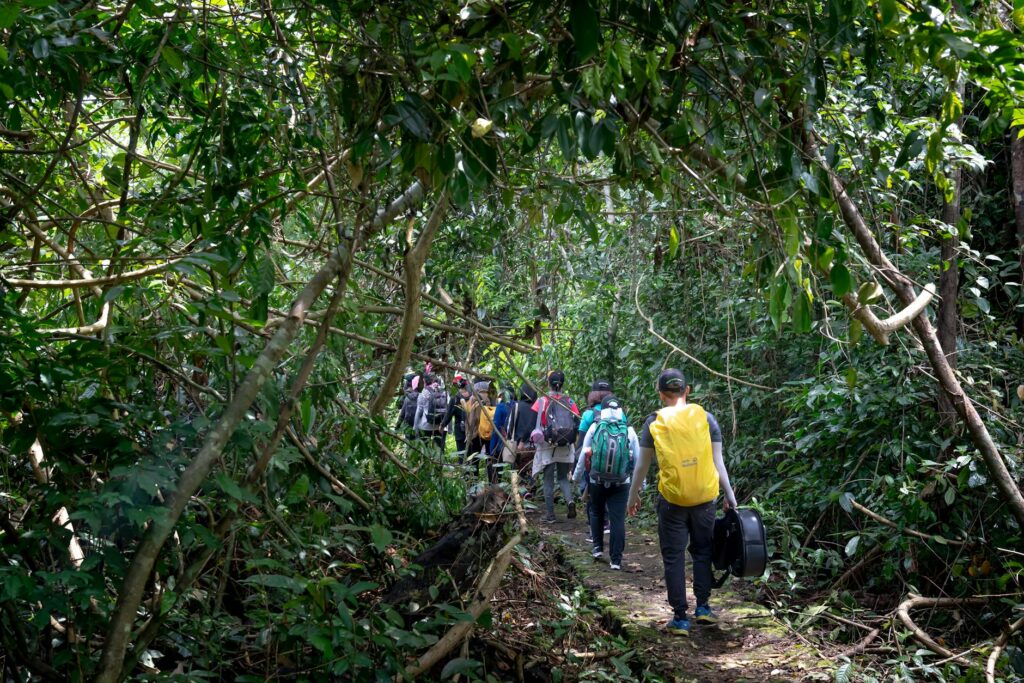
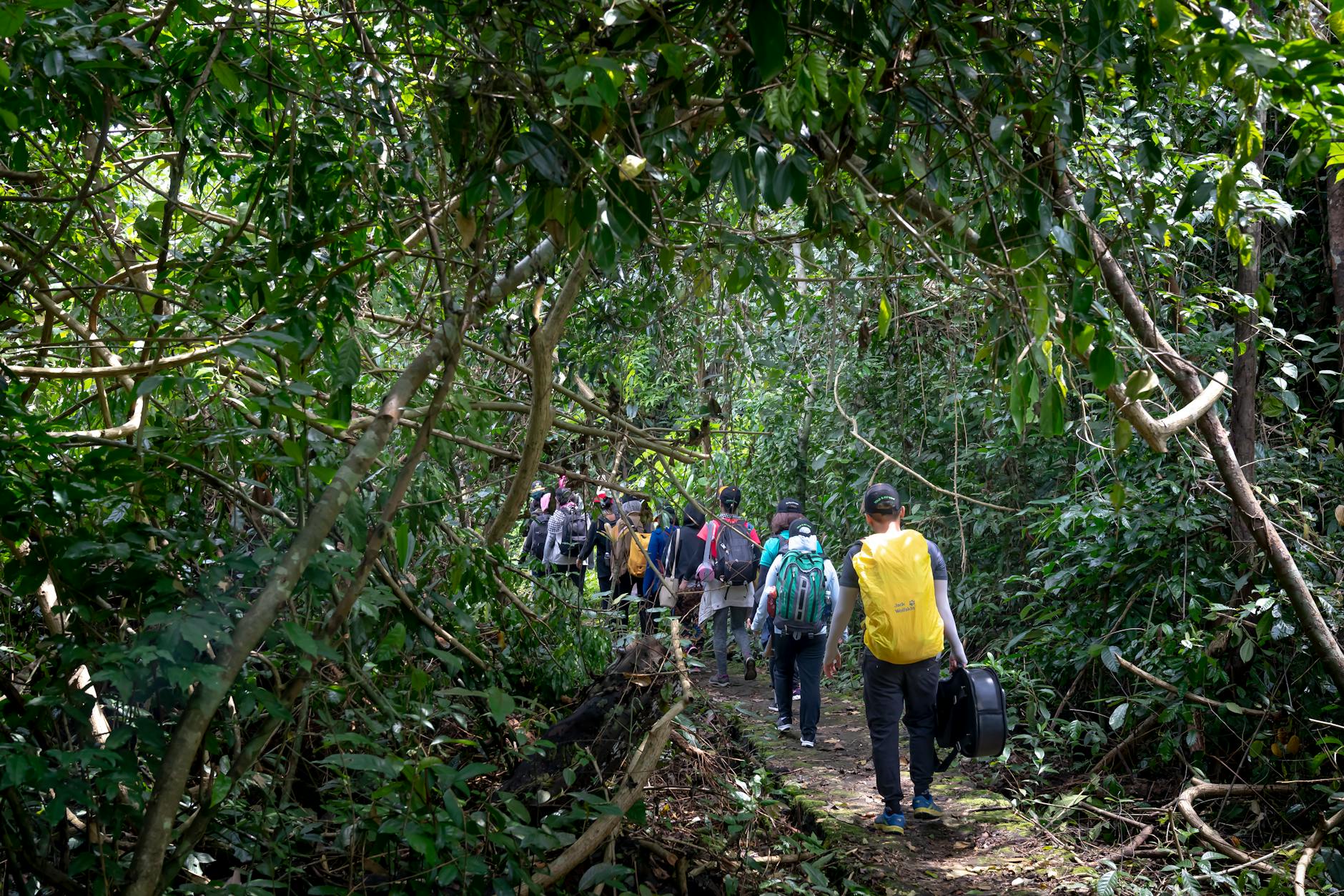
shows the lush beauty of the Machame route rainforest, a stark contrast to the landscapes you’ll encounter higher up.
Route Difficulty and Acclimatization
While not the easiest route, the Machame route’s gradual incline helps with acclimatization. Proper acclimatization is crucial to prevent Acute Mountain Sickness (AMS). Drink plenty of water, walk slowly (“pole pole” in Swahili), and listen to your body. Your guides will monitor your health and adjust the pace if necessary. Kilimanjaro Climbing Guide
Detailed Day-by-Day Itinerary
Here’s a breakdown of a typical seven-day Kilimanjaro Machame Route Guide itinerary. Remember that itineraries can vary slightly depending on your operator.
Day 1: Machame Gate to Machame Camp
The trek begins at Machame Gate (1,640m/5,380ft). You’ll hike through the lush rainforest, enjoying the vibrant flora and fauna. The day’s hike is relatively short, covering around 11km (7 miles) and gaining approximately 900m (2,950ft) in elevation. You’ll arrive at Machame Camp (2,590m/8,500ft) in the late afternoon.
Day 2: Machame Camp to Shira Camp
This day involves a more challenging ascent, crossing the Shira Plateau. The landscape transitions from rainforest to moorland. You’ll cover approximately 15km (9 miles) and gain around 800m (2,625ft) in elevation, reaching Shira Camp (3,840m/12,600ft).
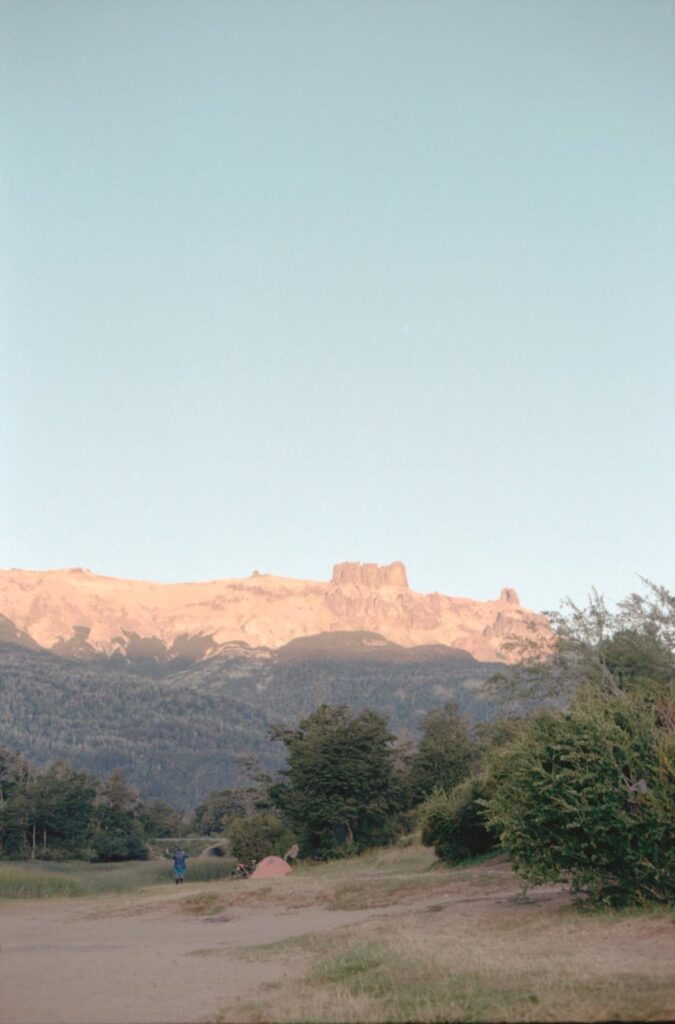
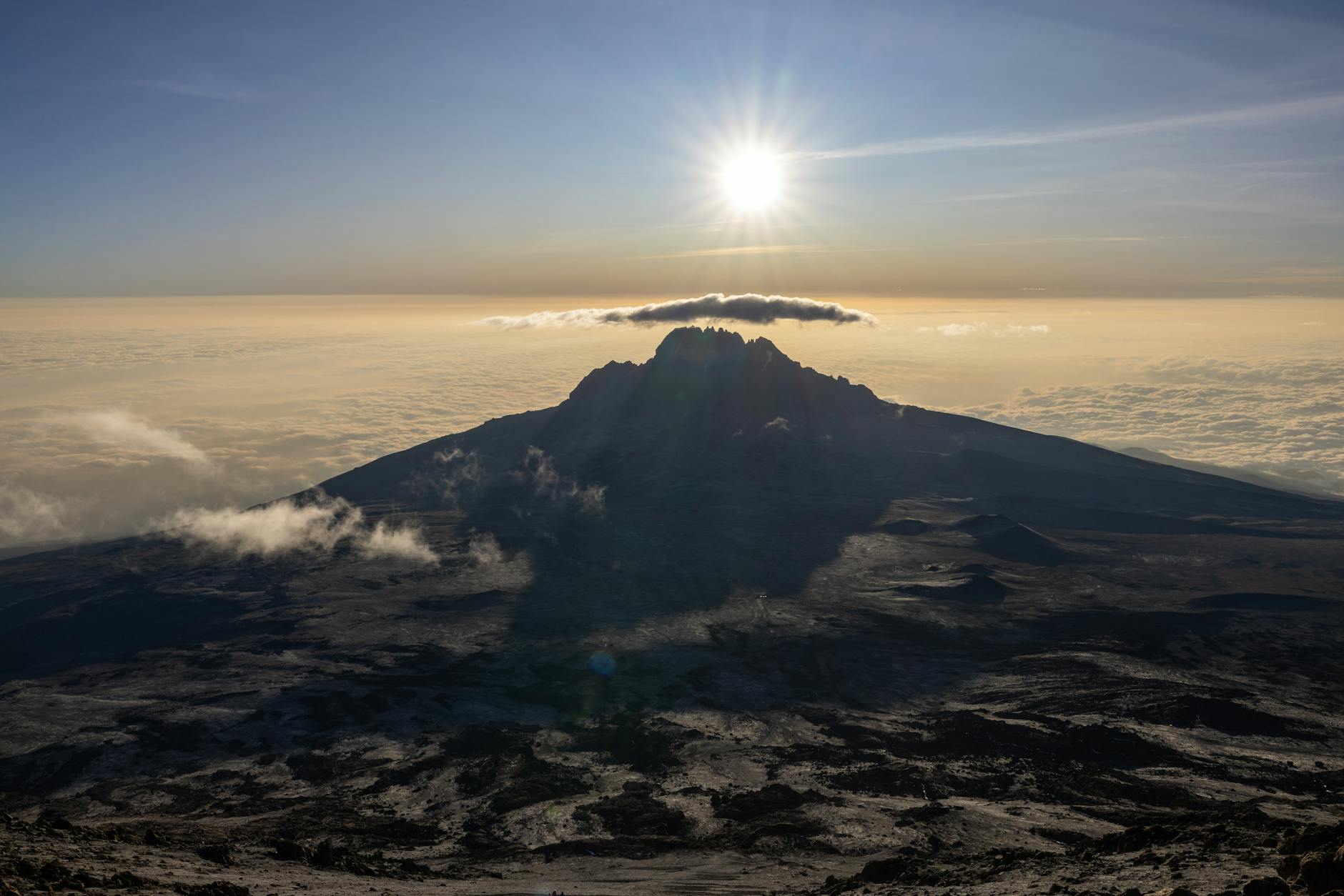
captures the breathtaking Machame camp sunset, a reward for a day of hard work.
Day 3: Shira Camp to Lava Tower to Barranco Camp
Today is crucial for acclimatization. You’ll hike to Lava Tower (4,630m/15,190ft) and then descend to Barranco Camp (3,960m/12,990ft). This “hike high, sleep low” strategy helps your body adjust to the altitude. The total distance is around 10km (6 miles) with significant elevation gain and loss.
Day 4: Barranco Camp to Karanga Camp
This is arguably the most scenic day of the trek. You’ll navigate the Barranco Wall, a steep rock face that requires some scrambling. The views are spectacular! You’ll then continue to Karanga Camp (4,035m/13,238ft), covering approximately 5km (3 miles). Tanzania Travel Guide
Day 5: Karanga Camp to Barafu Camp
The landscape becomes increasingly barren as you ascend to Barafu Camp (4,640m/15,223ft). This is the base camp for the summit attempt. The hike is relatively short, around 6km (4 miles), but the altitude makes it challenging. Rest well tonight – you’ll need your energy for tomorrow!
Day 6: Summit Attempt & Descent to Mweka Camp
This is the big day! You’ll wake up around midnight and begin the Summit attempt Machame. The ascent to Uhuru Peak (5,895m/19,341ft) takes approximately 6-8 hours. Enjoy the sunrise from the “Roof of Africa”! After celebrating, you’ll descend to Mweka Camp (3,100m/10,170ft), covering around 15km (9 miles).
Day 7: Mweka Camp to Mweka Gate
A final descent through the rainforest brings you to Mweka Gate. You’ll receive your summit certificates and say goodbye to your guides and porters. This marks the end of your incredible Kilimanjaro adventure.
Essential Gear and Packing List
Proper gear is essential for a safe and comfortable climb. Here’s a basic packing list:
- Clothing: Layered clothing is key. Include thermal underwear, fleece jackets, waterproof outer layers, hiking pants, and warm socks.
- Footwear: Sturdy, broken-in hiking boots are crucial. Bring gaiters to keep out dust and debris.
- Equipment: A good quality backpack (60-70 liters), a sleeping bag (rated to -10°C/14°F), a headlamp, trekking poles, and a water bottle or hydration reservoir are essential.
- Personal Items: Sunscreen, sunglasses, a hat, lip balm, insect repellent, and personal toiletries.
- Medications: Consult your doctor about altitude sickness medication and any other necessary prescriptions.
Your trekking operator will provide a more detailed packing list. Remember to pack light – porters will carry most of your gear, but there are weight limits.
Choosing a Reputable Trekking Operator
Selecting a reliable trekking operator is vital for a successful and ethical climb. Look for operators who:
- Are licensed by the Kilimanjaro National Park (KINAPA).
- Provide fair wages and treatment for their porters.
- Have experienced and knowledgeable guides.
- Offer comprehensive pre-trek briefings and support.
- Have a strong safety record.
Read reviews and compare prices before making a decision. A good operator will handle all the logistics, including permits, transportation, meals, and accommodation.
Final Thoughts on Kilimanjaro Machame Route Guide
The Kilimanjaro Machame Route Guide has hopefully provided you with a solid foundation for planning your climb. The Machame route is a challenging but incredibly rewarding experience. The stunning scenery, diverse landscapes, and sense of accomplishment are unforgettable. Remember to prepare physically and mentally, choose a reputable operator, and listen to your guides.
Are you ready to embark on the adventure of a lifetime? Start planning your Kilimanjaro trek today! Explore different tour operators, book your flights, and begin your training. Don’t just dream about reaching the summit – make it a reality! Visit our website for more detailed information and to connect with experienced Kilimanjaro climbers.
Frequently Asked Questions
What is the Machame Route known for?
The Machame Route is often called the “Whiskey Route” due to its relatively challenging nature compared to other Kilimanjaro routes. It’s known for its scenic beauty, diverse landscapes, and good acclimatization profile, making it a popular choice for experienced hikers and those wanting a more immersive experience.
How many days does it typically take to complete the Machame Route?
The Machame Route is typically completed in 6 or 7 days. A 7-day itinerary is highly recommended as it provides a better chance for acclimatization, increasing your success rate and enjoyment of the trek. Shorter 6-day versions are possible but are more physically demanding.
What is the difficulty level of the Machame Route?
The Machame Route is considered a moderately challenging to difficult trek. It involves steep ascents and descents, and you’ll be hiking at high altitude for several days. A good level of fitness and prior hiking experience are beneficial. It’s not recommended for beginner hikers.
What kind of gear should I bring for the Machame Route?
Essential gear includes waterproof hiking boots, warm layers (fleece, down jacket), waterproof and windproof outer layers, a comfortable backpack (60-70 liters), a sleeping bag rated to -10°C or lower, trekking poles, a headlamp, sunscreen, a hat, and gloves. A detailed packing list will usually be provided by your tour operator.
Is acclimatization a concern on the Machame Route, and how is it addressed?
Yes, acclimatization is a significant concern at high altitude. The Machame Route is designed to aid acclimatization by incorporating a “hike high, sleep low” principle. This means you’ll ascend to higher altitudes during the day and descend to sleep at a lower altitude. Drinking plenty of water and informing your guides of any symptoms of altitude sickness are also crucial.