Table of Contents Whether you’re planning your first visit or returning to explore more, Kilimanjaro Marangu Route Guide is an experience unlike any other.
- Kilimanjaro Marangu Route Guide: Your Complete Ascent Companion
- Understanding the Kilimanjaro Marangu Route
- Detailed Day-by-Day Itinerary
- Accommodation: The Marangu Huts Kilimanjaro Experience
- Acclimatization & Altitude Sickness Prevention
- Essential Gear & Packing List
- Final Thoughts on Kilimanjaro Marangu Route Guide
Kilimanjaro Marangu Route Guide: Your Complete Ascent Companion
This Kilimanjaro Marangu Route Guide provides everything you need to know about tackling the oldest and arguably most popular route up Africa’s highest peak. We’ll cover everything from acclimatization profiles to what to expect at each camp, ensuring you’re fully prepared for an unforgettable adventure. The Marangu Route, also known as the “Coca-Cola Route”, is famed for its relatively gentle slopes and the availability of hut accommodation, making it a popular choice for first-time Kilimanjaro climbers.
Understanding the Kilimanjaro Marangu Route
Route Overview & Difficulty
The Marangu Route is a classic ascent, covering approximately 62 kilometers (38.5 miles) to reach the summit. It’s considered one of the easier routes, primarily due to its gradual incline. However, don’t underestimate Kilimanjaro! Altitude sickness remains a significant risk, and success still requires good fitness and proper acclimatization.
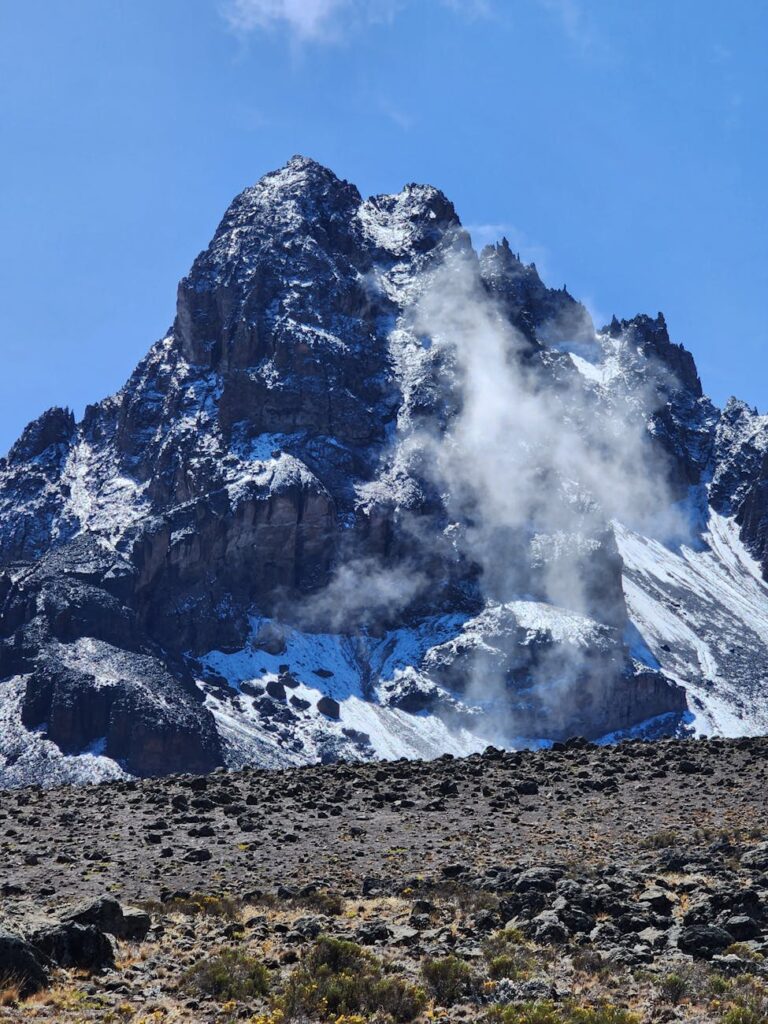
This route is unique as it’s the only one offering hut accommodation throughout, eliminating the need for camping.
Why Choose the Marangu Route?
Several factors make the Marangu Route appealing. The hut system provides more comfort than camping, which is a huge plus for some climbers. It also has a relatively high success rate, thanks to the gradual ascent profile. However, the popularity of the route means it can be crowded, especially during peak season. Consider this when deciding if this Kilimanjaro Marangu Route Guide’s recommended path is right for you.
Detailed Day-by-Day Itinerary
Days 1-2: Marangu Gate to Mandara Hut & Horombo Hut
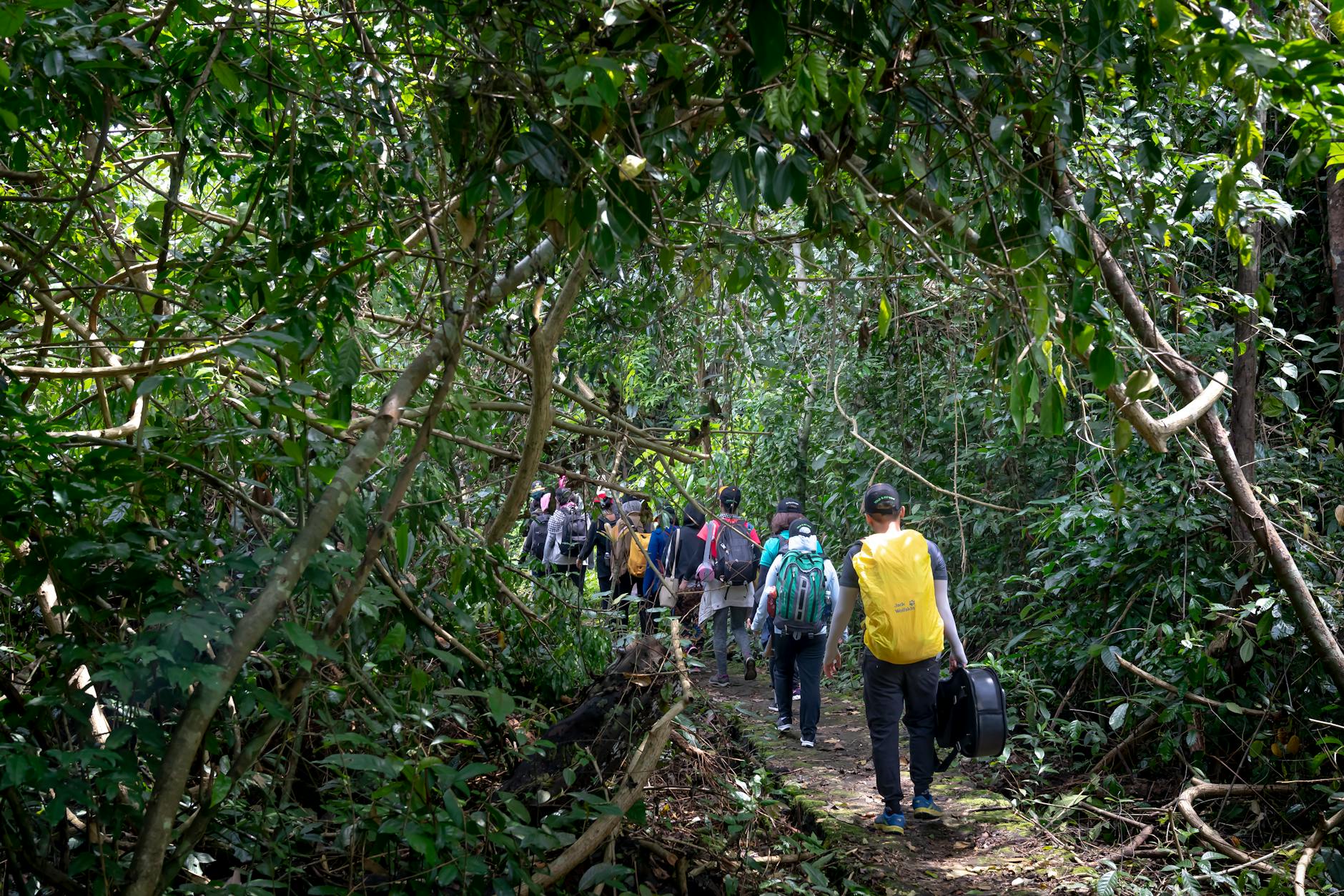
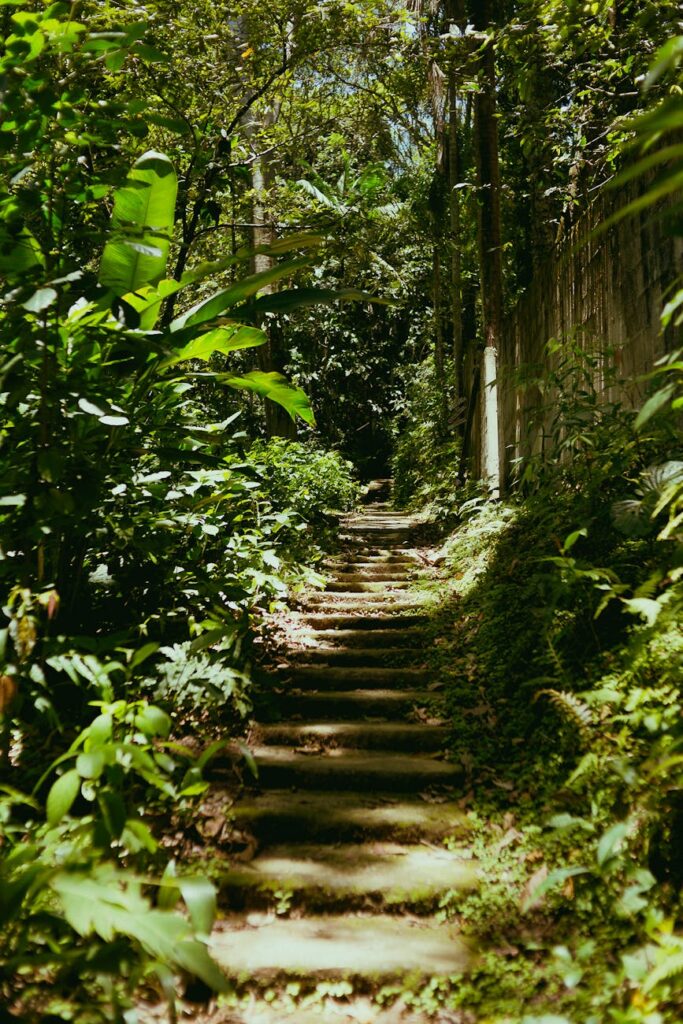
Your journey begins at Marangu Gate (1,980m / 6,500ft) after completing park registration. The first day is a relatively easy hike through the lush Marangu rainforest trail, taking you to Mandara Hut (2,700m / 8,860ft). Expect around 4-5 hours of walking. Day two continues the ascent, leaving the rainforest behind and entering the heath and moorland zone, eventually reaching Horombo Hut (3,720m / 12,200ft). This is a longer day, taking approximately 6-8 hours.
Days 3-4: Horombo Hut to Zebra Rock & Mawenzi Tarn
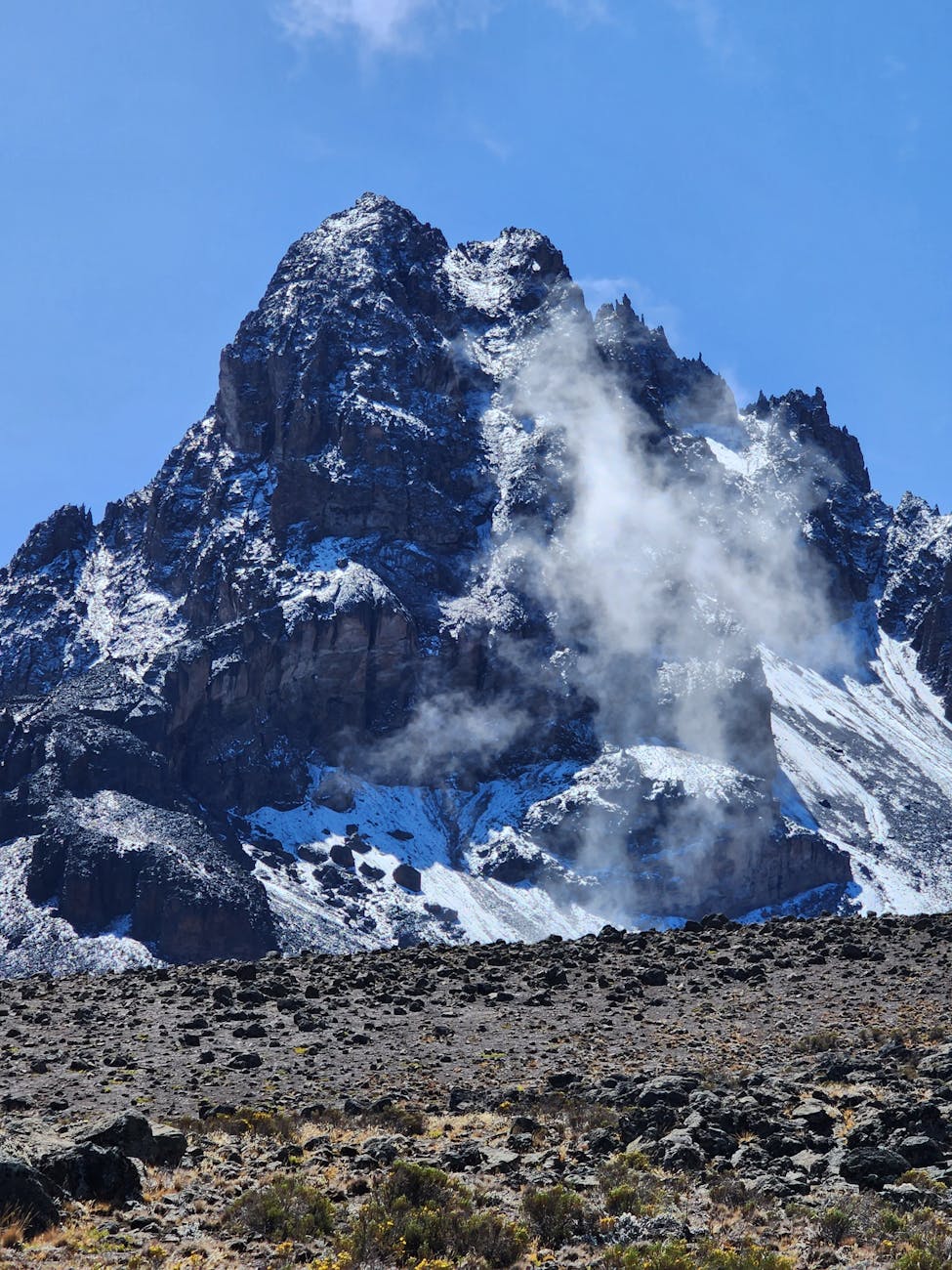
Day three is crucial for acclimatization. You’ll hike to Zebra Rock (4,575m / 15,000ft) and return to Horombo Hut. This “climb high, sleep low” principle helps your body adjust to the altitude. Day four sees you ascending through the alpine desert zone to Mawenzi Tarn (4,330m / 14,200ft). The scenery becomes increasingly dramatic as you approach the base of Mawenzi Peak. Expect around 5-7 hours of trekking on this day.
Days 5-6: Mawenzi Tarn to Kibo Hut & Summit Attempt
Day five is a challenging hike to Kibo Hut (5,145m / 16,880ft), the base camp for the summit attempt. The landscape is barren and rocky, offering stunning views. This day is short, allowing for rest and preparation for the final push. The summit attempt begins in the early hours of day six. You’ll ascend to Uhuru Peak (5,895m / 19,340ft) and then descend back to Kibo Hut for a short rest before continuing down to Horombo Hut. This is the most demanding day, requiring significant physical and mental endurance.
Day 7: Horombo Hut to Marangu Gate
The final day is a long descent back to Marangu Gate. You’ll retrace your steps through the moorland and rainforest, reflecting on your incredible achievement. Expect around 6-8 hours of walking. Receiving your summit certificate is a well-deserved reward!
Accommodation: The Marangu Huts Kilimanjaro Experience
Inside the Huts
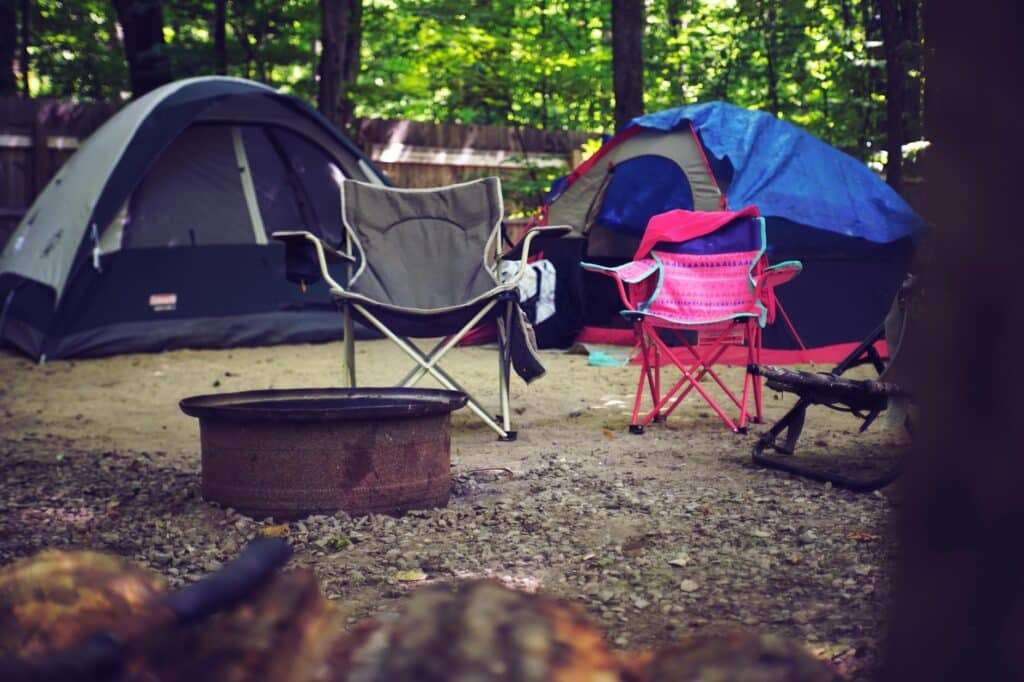
The Marangu huts Kilimanjaro offer a basic but comfortable level of accommodation. They are communal huts with multiple bunk beds in each room. Mattresses are provided, but we recommend bringing your own sleeping bag for added warmth and hygiene. There are separate dining huts and toilet facilities. Don’t expect luxury – these are functional shelters designed to provide protection from the elements.
What to Expect Regarding Facilities
Facilities at the huts are limited. There is no electricity, and hot water is not available. Toilets are pit latrines. Food is prepared by the cook team and served in the dining hut. It’s important to be prepared for basic conditions and to pack accordingly. Remember to bring a headlamp or flashlight, as the huts are dark at night. Tanzania Travel Guide
Acclimatization & Altitude Sickness Prevention
The Importance of Gradual Ascent
Acclimatization is the key to a successful Kilimanjaro climb. The Kilimanjaro Marangu Route Guide emphasizes a gradual ascent profile to allow your body to adjust to the decreasing oxygen levels. This is why the route includes acclimatization days, such as the hike to Zebra Rock. Listen to your body and inform your guide immediately if you experience any symptoms of altitude sickness.
Recognizing & Managing Altitude Sickness
Altitude sickness can manifest in various ways, including headache, nausea, fatigue, and dizziness. Mild symptoms can often be relieved by resting and drinking plenty of fluids. However, severe symptoms, such as shortness of breath and confusion, require immediate descent. Your guide will monitor your condition closely and make informed decisions about your safety. This Kilimanjaro Marangu Route Guide strongly advises consulting your doctor before your climb to discuss altitude sickness prevention medication.
Essential Gear & Packing List
Proper gear is crucial for a comfortable and safe climb. Here’s a brief overview of essential items:
- Clothing: Layered clothing is essential, including thermal underwear, fleece jackets, waterproof outer layers, and hiking pants.
- Footwear: Sturdy, broken-in hiking boots are a must.
- Sleeping Bag: A warm sleeping bag is essential, even though you’re staying in huts.
- Backpack: A comfortable backpack to carry your personal belongings.
- Headlamp: Essential for navigating the huts at night.
- Water Bottles/Hydration System: Staying hydrated is crucial.
- Sun Protection: Sunscreen, sunglasses, and a hat are essential.
- First-Aid Kit: A basic first-aid kit with essential medications.
Your trekking operator will provide a more detailed packing list. Remember to pack light, as you’ll be carrying your own gear.
Final Thoughts on Kilimanjaro Marangu Route Guide
The Marangu Route offers a fantastic introduction to Kilimanjaro, blending accessibility with stunning scenery. While it’s considered one of the easier routes, it still demands respect and preparation. By following this Kilimanjaro Marangu Route Guide, understanding the challenges, and prioritizing acclimatization, you’ll significantly increase your chances of reaching the summit. Remember to choose a reputable trekking operator and listen to your guide’s advice.
Are you ready to embark on the adventure of a lifetime? Don’t just dream about conquering Kilimanjaro – start planning your ascent today! Explore our website for detailed itineraries, pricing, and expert advice. Let us help you turn your Kilimanjaro dream into a reality. Contact us now to begin your journey!
Frequently Asked Questions
What is the Marangu Route known for?
The Marangu Route, also known as the “Coca-Cola Route,” is renowned as the only route on Kilimanjaro with hut accommodations all the way to the summit. It’s considered a relatively easy and straightforward route, making it popular with first-time climbers, but its gradual ascent can make acclimatization more challenging for some.
How many days does it typically take to climb Kilimanjaro via the Marangu Route?
The Marangu Route is typically climbed in 5, 6, or 7 days. A 5-day climb is the shortest option, but it offers the lowest success rate due to limited acclimatization time. 6 or 7 days are recommended for better acclimatization and a higher chance of reaching the summit.
What is the difficulty level of the Marangu Route?
The Marangu Route is considered a moderate difficulty climb. While it doesn’t have technical climbing sections, the altitude and potential for poor weather conditions make it challenging. The well-maintained path and hut accommodations contribute to its relative ease compared to other routes, but physical fitness is still essential.
What should I pack for a Marangu Route climb?
Essential packing items include warm layers (thermal underwear, fleece, down jacket), waterproof and windproof outer layers, sturdy hiking boots, a headlamp, sunscreen, a hat, gloves, sunglasses, a water bottle or hydration pack, and personal toiletries. Your tour operator will provide a detailed packing list.
Is the Marangu Route crowded?
Yes, the Marangu Route is generally the most popular and therefore the most crowded route on Kilimanjaro. This can impact the wilderness experience. If you prefer a quieter climb, consider other routes like Lemosho, Machame, or Rongai.