Table of Contents Whether you’re planning your first visit or returning to explore more, Kilimanjaro Porter and Guide Tips is an experience unlike any other.
- Kilimanjaro Porter and Guide: Your Complete Guide to a Successful Climb
- Understanding the Roles: Porters vs. Guides
- Selecting Your Kilimanjaro Porter and Guide Team
- Porter Welfare: Ethical Considerations
- What to Expect from Your Kilimanjaro Porter and Guide During the Trek
- Tipping Your Kilimanjaro Porter and Guide
- Final Thoughts on Kilimanjaro Porter and Guide
Kilimanjaro Porter and Guide: Your Complete Guide to a Successful Climb: Kilimanjaro Porter And Guide Tips
Choosing the right Kilimanjaro Porter and Guide is arguably the most important decision you’ll make when planning your trek. A successful and enjoyable climb hinges on their experience, support, and ethical treatment. This comprehensive guide will provide expert tips and advice, covering everything you need to know about selecting, understanding, and appreciating the vital role these individuals play in your Kilimanjaro adventure.
Understanding the Roles: Porters vs. Guides
The Role of the Kilimanjaro Guide
Your Kilimanjaro Porter and Guide team is structured with distinct roles. The guide is the leader, responsible for your safety, route finding, and overall success. They monitor your acclimatization, make critical decisions based on weather and your health, and provide valuable information about the mountain’s ecosystem. A good guide will be certified, experienced, and fluent in English (or your preferred language).
The Essential Work of Kilimanjaro Porters
Porters are the unsung heroes of Kilimanjaro. They carry the bulk of your gear – tents, food, cooking equipment, and even some personal belongings. Regulations limit the weight each porter can carry to 20kg (44lbs), but it’s crucial to ensure this limit is strictly adhered to for their well-being.
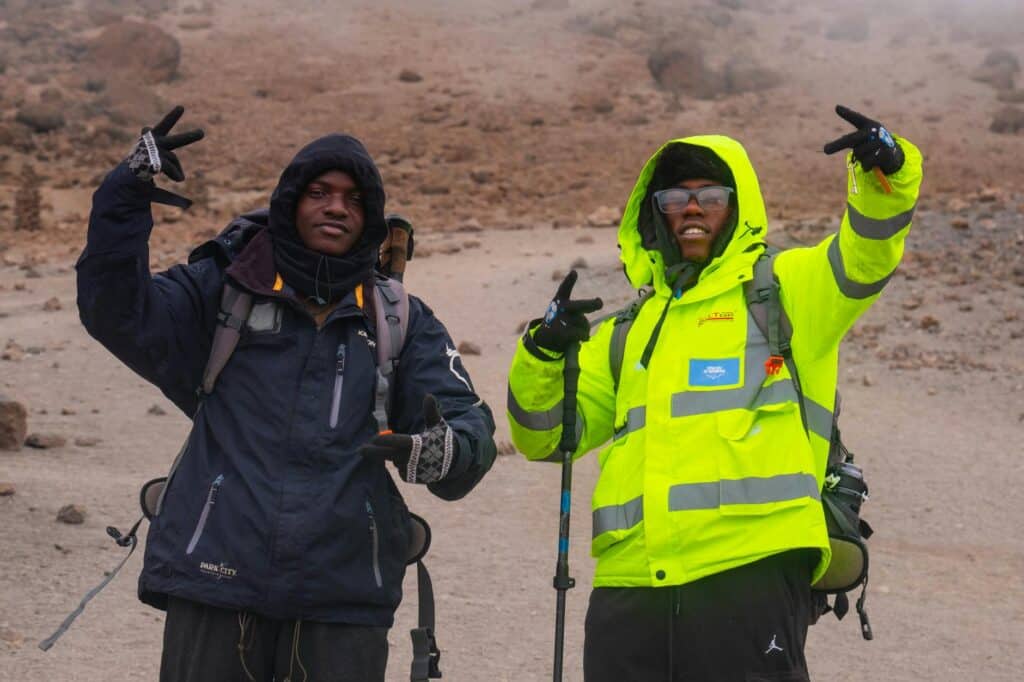
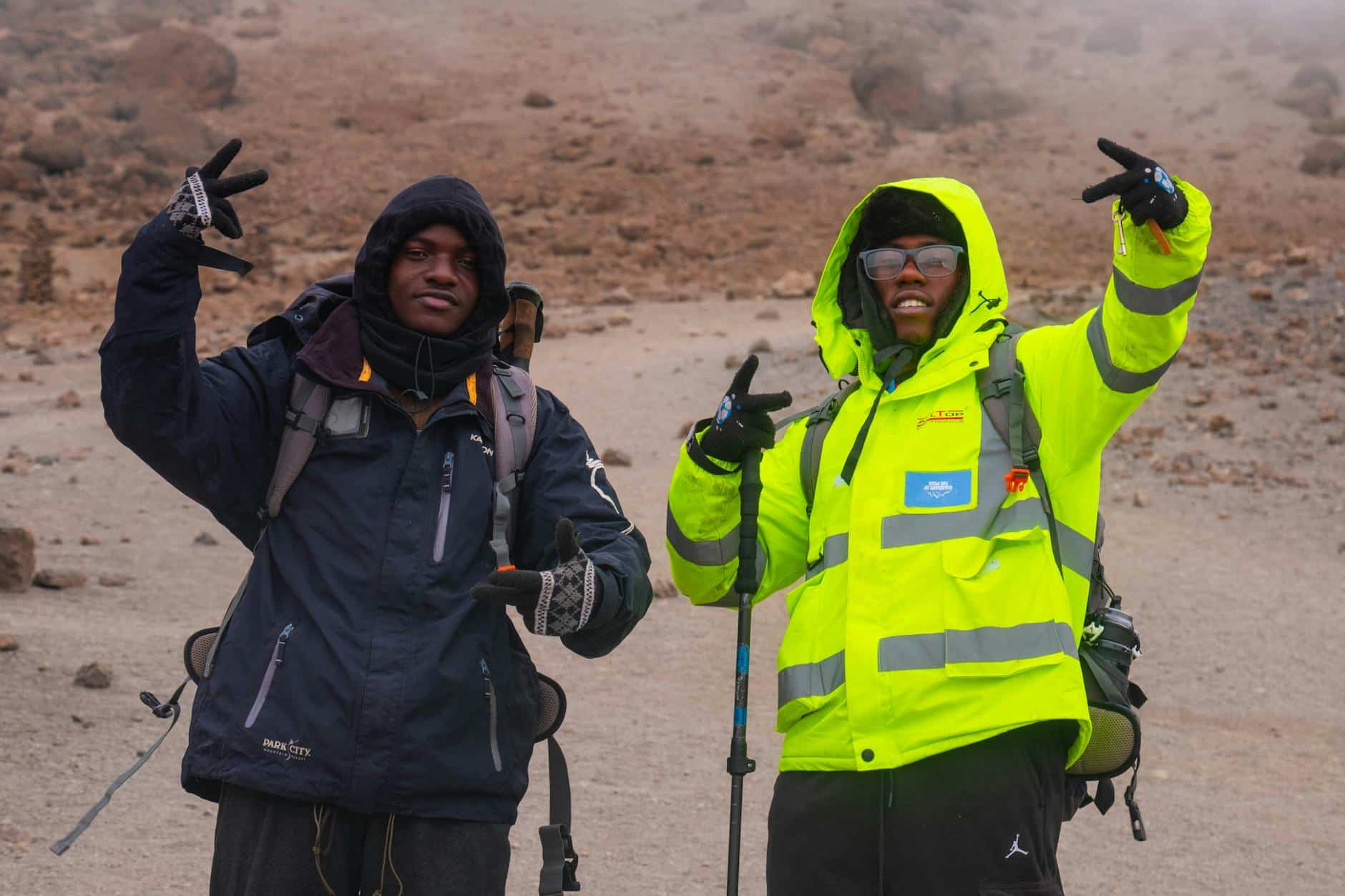
Porters carrying gear mountain is a common sight, and their strength and resilience are remarkable. Ethical treatment of porters is paramount, and we’ll discuss this further.
Selecting Your Kilimanjaro Porter and Guide Team
Importance of a Reputable Trekking Company
The best way to ensure you have a reliable Kilimanjaro Porter and Guide team is to book with a reputable trekking company. Look for companies that are licensed by the Kilimanjaro National Park (KINAPA) and the Tanzania Tourist Board (TTB). Check online reviews and ask for references from previous clients. A good company will prioritize porter welfare and guide qualifications. Kilimanjaro Climbing Guide
Key Qualifications to Look For
When evaluating guides, inquire about their certifications, experience on Kilimanjaro, and wilderness first aid training. They should be knowledgeable about altitude sickness and have a plan for managing emergencies. For porters, ensure the company provides adequate clothing, footwear, and fair wages. Don’t hesitate to ask detailed questions about their porter welfare policies.
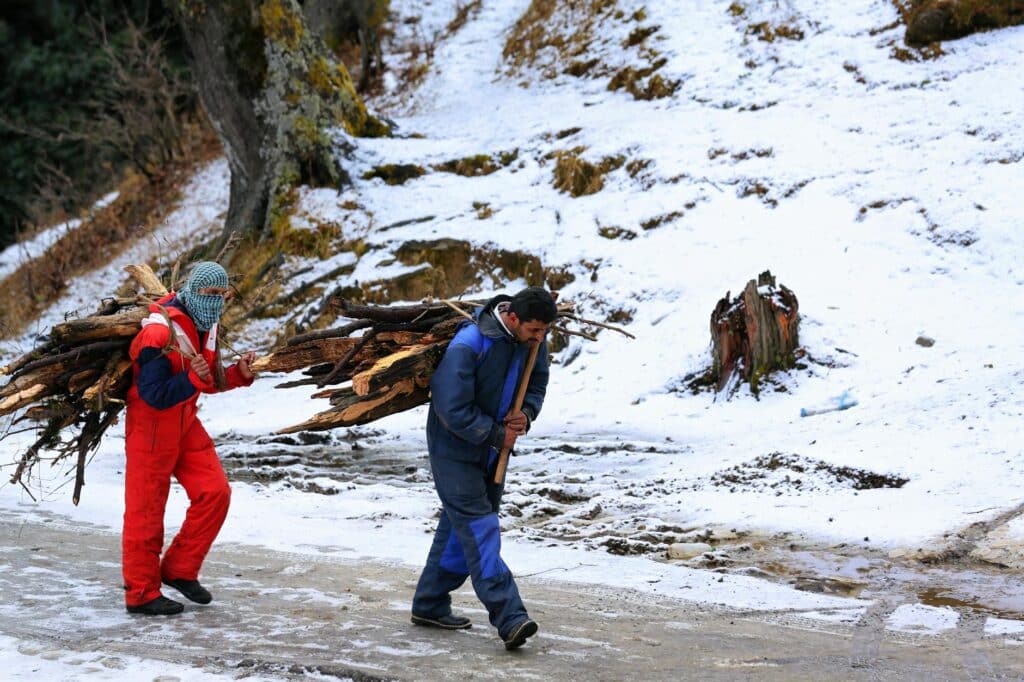
Kilimanjaro local guides are often incredibly knowledgeable about the mountain’s history and ecology.
Porter Welfare: Ethical Considerations
Fair Wages and Working Conditions
Sadly, not all trekking companies prioritize porter welfare. Some companies cut costs by underpaying porters or providing inadequate equipment. Ensure your chosen company pays porters a fair wage, provides them with proper clothing and footwear, and offers adequate food and shelter. Tipping is also an important part of a porter’s income, and you should budget accordingly.
Weight Limits and Load Distribution
Strict adherence to the 20kg weight limit is crucial. Overloaded porters are at risk of injury and exhaustion. A responsible company will weigh each porter’s load before the trek begins. They will also distribute the weight evenly among the porters. Supporting companies that prioritize porter welfare contributes to a more sustainable and ethical tourism industry.
What to Expect from Your Kilimanjaro Porter and Guide During the Trek
Daily Routines and Support
Your Kilimanjaro Porter and Guide team will work tirelessly throughout your trek. The guides will wake up early to prepare breakfast and brief you on the day’s plan. Porters will pack up camp and set off ahead of you to establish the next campsite. Throughout the day, your guide will monitor your condition and adjust the pace as needed. They will also provide encouragement and answer your questions.
Communication and Problem Solving
Effective communication is essential. Your guide should be able to clearly explain the itinerary, potential challenges, and safety procedures. They should also be responsive to your concerns and address any problems that arise. Don’t hesitate to speak up if you’re feeling unwell or have any questions. A good guide will be proactive in identifying and resolving issues.
Guide team summit – witnessing their support at the peak is incredibly rewarding. Tanzania Travel Guide
Tipping Your Kilimanjaro Porter and Guide
Recommended Tipping Guidelines
Tipping is customary in Tanzania and a significant portion of the income for Kilimanjaro Porter and Guide teams. Recommended tipping guidelines vary depending on the length of the trek and the quality of service. As a general guideline, you should tip your guide $20-30 per day and each porter $10-15 per day. The cook should also receive a separate tip of $10-15 per day. These are just suggestions, and you can adjust the amounts based on your satisfaction.
How to Distribute Tips
It’s best to distribute tips directly to the individuals at the end of the trek. Your guide can help facilitate this process. Ensure the money is distributed fairly and transparently. Some companies may offer a tipping system where you can contribute to a collective fund, which is then distributed among the team. However, direct tipping is generally preferred.
Final Thoughts on Kilimanjaro Porter and Guide
The success of your Kilimanjaro climb is inextricably linked to the quality and dedication of your Kilimanjaro Porter and Guide team. Choosing a reputable trekking company, understanding the roles of each team member, and prioritizing porter welfare are all crucial steps in ensuring a safe, enjoyable, and ethical experience. Remember that these individuals are not just service providers; they are partners in your adventure, sharing their knowledge, strength, and spirit to help you reach the summit.
Now that you’re equipped with this knowledge, begin planning your unforgettable Kilimanjaro trek! Explore different trekking routes, compare trekking companies, and prepare for the adventure of a lifetime. Don’t just climb Kilimanjaro – experience it responsibly and respectfully, supporting the local communities and the incredible people who make this journey possible. Visit our website today to learn more about our carefully vetted Kilimanjaro trekking packages and start your journey towards the Roof of Africa!
Frequently Asked Questions
How much should I tip my Kilimanjaro guide?
A standard tip for your lead guide is typically between $200-$350 USD for a successful summit climb. The amount can vary based on their performance, experience, and how well they managed the team. Exceptional guides who went above and beyond deserve a tip at the higher end of the range.
What about tipping the Kilimanjaro porters? How is that calculated?
Porter tipping is usually done as a group contribution. A common range is $20-$30 USD per porter per day. So, for a 7-day climb with 10 porters, a total tip pool of $1400-$2100 would be appropriate. It’s best to collect the money from the group before the final day and present it to the head porter, who will distribute it fairly.
When should I give the tips to my guide and porters?
The best time to give tips is on the last day of the trek, after you’ve successfully descended and are back at the hotel. This allows you to assess the service provided throughout the entire climb. Present the tips in an envelope, and a small thank you speech is always appreciated.
Is tipping mandatory on Kilimanjaro?
While not legally mandatory, tipping is a very important part of the income for guides and porters on Kilimanjaro. It significantly supplements their wages and is deeply appreciated. It’s considered customary and expected, and a fair tip demonstrates your gratitude for their hard work and dedication.
Should I tip the cook and other support staff?
Yes! Don’t forget the cook! A tip of $70-$150 USD for the cook is standard for a 7-day climb. You can also consider tipping the waiter/server who brings you meals and drinks at camp ($20-$50 USD). Small tips for other support staff like bathroom attendants ($5-$10 USD total) are also a nice gesture.