Table of Contents Whether you’re planning your first visit or returning to explore more, Kilimanjaro Summit Night Experience is an experience unlike any other.
- The Ultimate Guide to Your Kilimanjaro Summit Night Experience
- Understanding the Kilimanjaro Summit Night Schedule
- Preparing for the Physical Demands of Summit Night
- Gear and Clothing for a Successful Summit
- Navigating the Mental Challenges of Summit Night
- The Reward: Witnessing the Sunrise from Uhuru Peak
- Final Thoughts on Kilimanjaro Summit Night Experience
The Ultimate Guide to Your Kilimanjaro Summit Night Experience
The Kilimanjaro Summit Night Experience is arguably the most challenging, yet rewarding, part of climbing Mount Kilimanjaro. It’s a night filled with physical and mental endurance, pushing you to your absolute limits. This comprehensive guide will prepare you for everything you need to know, from what to expect to expert tips for success. We’ll cover the logistics, the challenges, and the incredible beauty that awaits you at the Roof of Africa.
Understanding the Kilimanjaro Summit Night Schedule
What Time Does the Summit Attempt Begin?
Typically, the summit attempt begins between midnight and 2:00 AM, depending on your chosen route and your guide’s strategy. This timing is crucial. It allows you to reach Uhuru Peak, the highest point on Kilimanjaro, around sunrise. The early start is essential to avoid the sun’s intense heat during the final ascent.
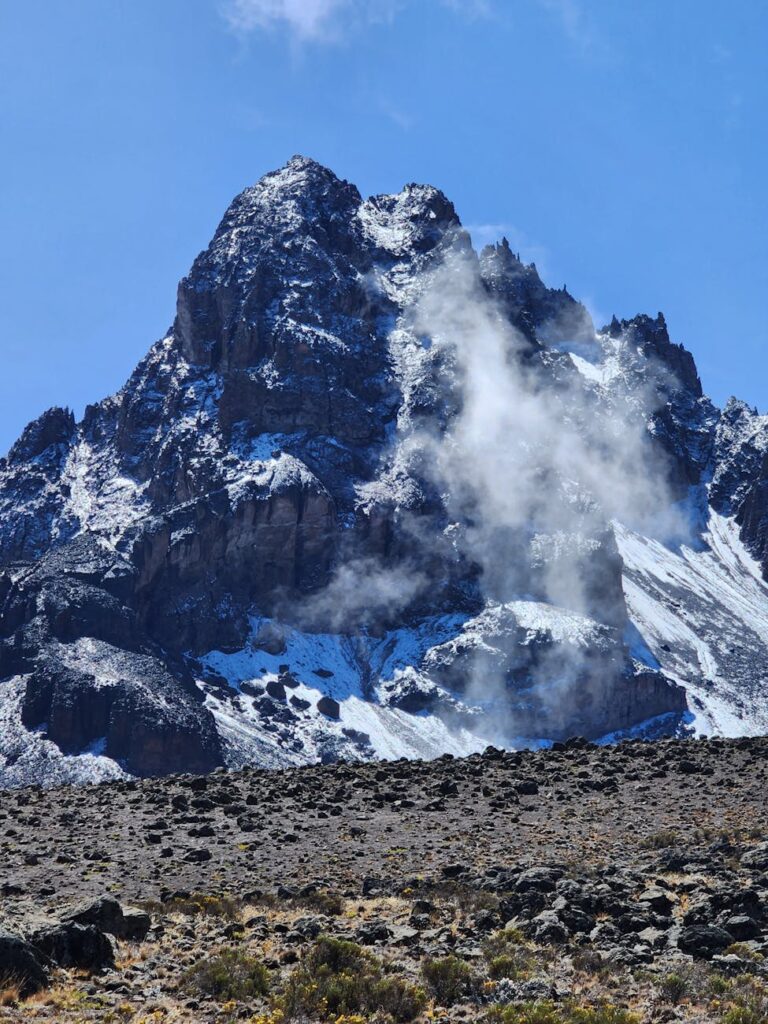
Imagine a sea of Summit night headlamps Kilimanjaro illuminating the dark landscape – a truly unforgettable sight.
The Phased Approach to the Summit
The summit night isn’t a single push. It’s broken down into phases. First, you’ll wake up for a light snack and hydration. Then, you’ll begin a slow, steady ascent to Jacob’s Camp, usually around 4,900 meters (16,076 feet). This phase is about warming up and acclimatizing further. From Jacob’s Camp, you’ll continue to Gilman’s Point, located on the crater rim. This is where the real challenge begins.
Preparing for the Physical Demands of Summit Night
Acclimatization is Key
Proper acclimatization is the single most important factor in a successful summit attempt. Spend adequate time on the mountain, ascending slowly and allowing your body to adjust to the altitude. Listen to your guide and report any symptoms of altitude sickness immediately. Ignoring these symptoms can be dangerous and jeopardize your climb. Kilimanjaro Climbing Guide
Training for the Ascent
Physical fitness is vital. Focus on cardiovascular training, such as hiking, running, and cycling. Strength training, particularly for your legs and core, will also be beneficial. Practice hiking with a weighted backpack to simulate the conditions you’ll encounter on Kilimanjaro. Remember, the Kilimanjaro Summit Night Experience demands endurance, not just speed.
Gear and Clothing for a Successful Summit
Layering is Essential
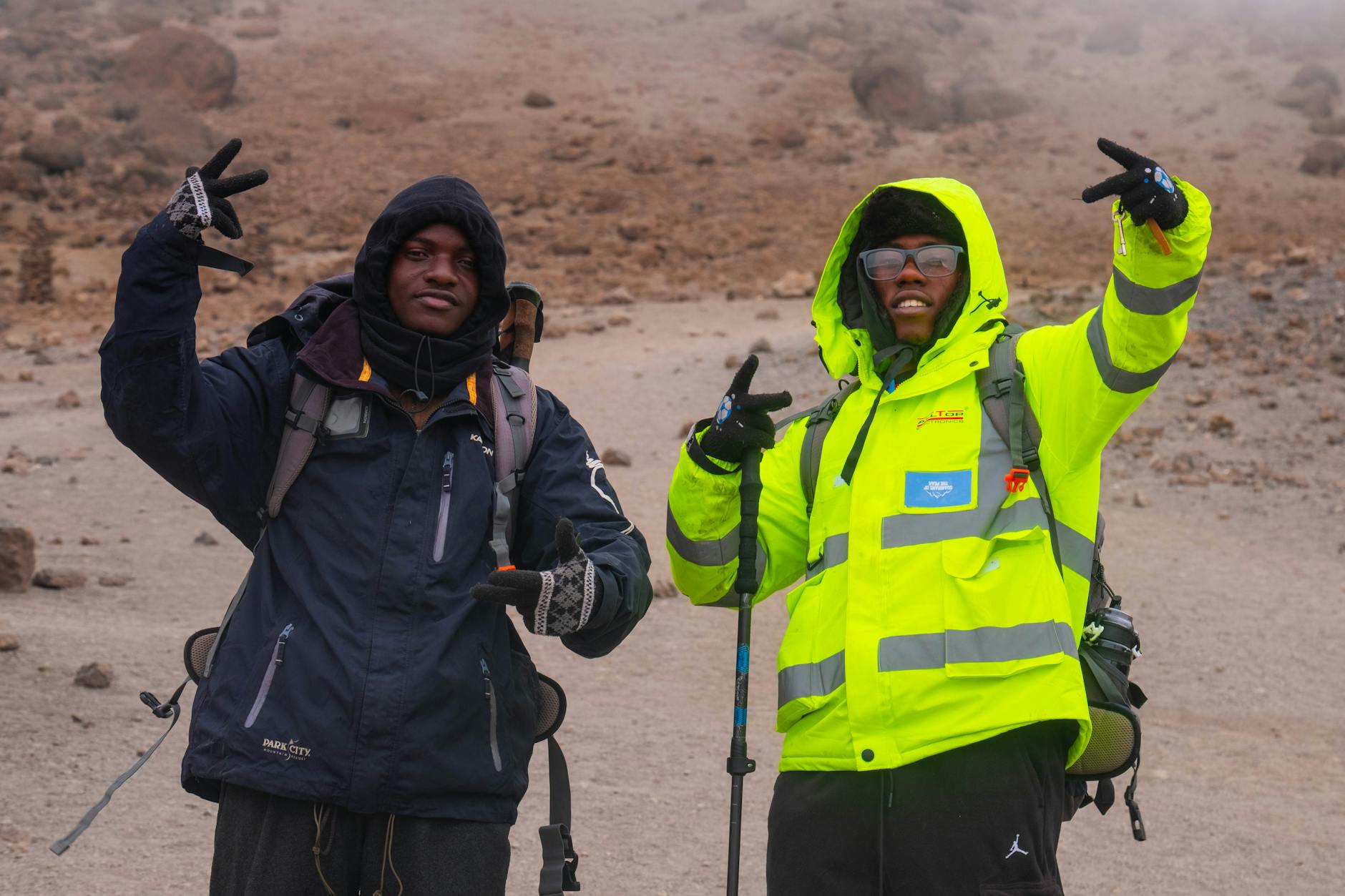
The temperature on summit night can plummet below freezing. Layering your clothing is crucial. Start with a moisture-wicking base layer, add an insulating mid-layer, and finish with a waterproof and windproof outer shell. Don’t forget warm socks, gloves, and a hat. Protecting your extremities is paramount.
Essential Gear Checklist
Beyond clothing, you’ll need a reliable headlamp with extra batteries. Trekking poles are highly recommended for stability and reducing strain on your knees. A water bottle or hydration reservoir is essential for staying hydrated. Consider bringing a small snack for energy boosts during the ascent.
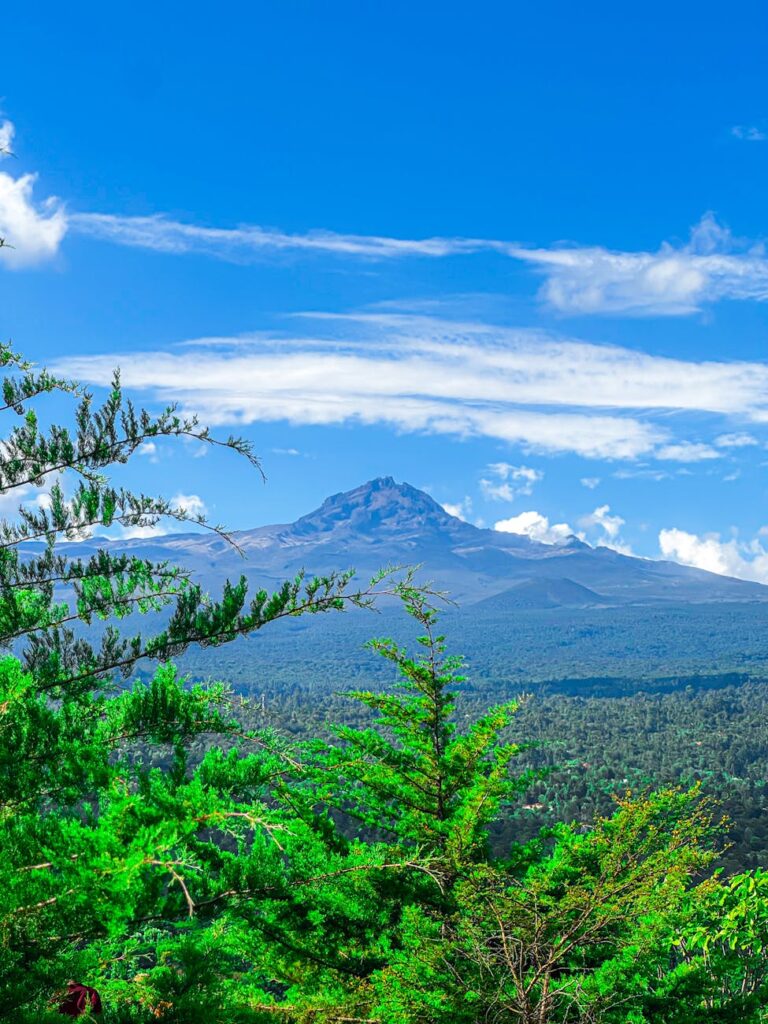
Seeing the Uhuru Peak sign Kilimanjaro is a moment you’ll want to capture, so ensure your camera is accessible and protected.
Navigating the Mental Challenges of Summit Night
The Power of Positive Thinking
Summit night is as much a mental challenge as it is a physical one. Doubt and fatigue will creep in. Maintain a positive attitude and focus on your goal. Break the ascent into smaller, manageable segments. Celebrate each milestone you achieve. Remember why you started this journey.
Dealing with Altitude Sickness
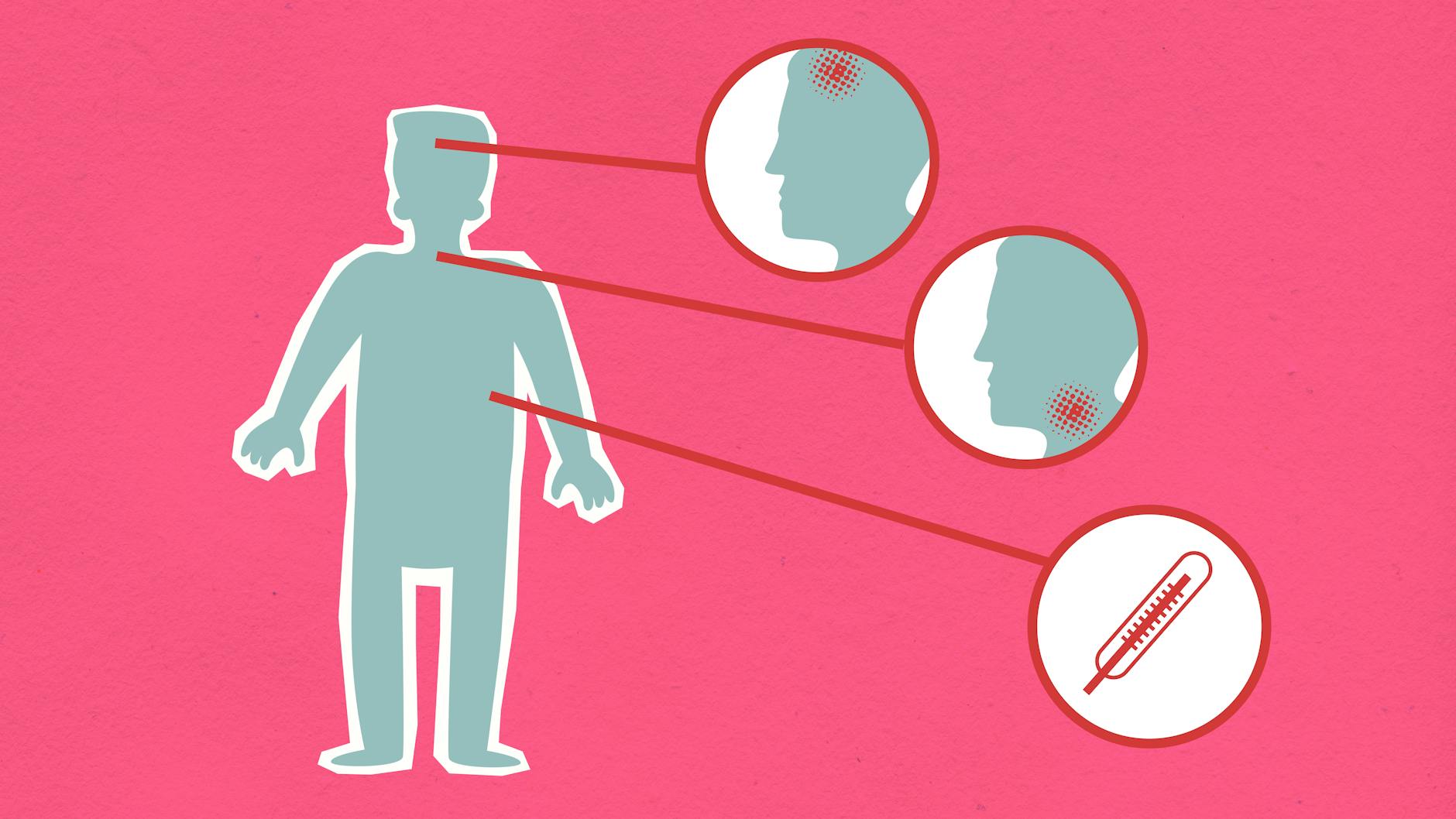
Altitude sickness can manifest in various ways, from headaches and nausea to dizziness and shortness of breath. If you experience any of these symptoms, inform your guide immediately. Descending to a lower altitude is often the best course of action. Don’t push yourself if you’re feeling unwell. Your health and safety are the top priorities. Tanzania National Parks Authority
The Reward: Witnessing the Sunrise from Uhuru Peak
The Final Push to Uhuru Peak
The ascent from Gilman’s Point to Uhuru Peak is the most challenging part of the climb. The terrain is steep and rocky, and the altitude is extreme. Take your time, pace yourself, and listen to your guide. Focus on putting one foot in front of the other. The feeling of accomplishment as you approach the summit is indescribable.
The Breathtaking View
Reaching Uhuru Peak at sunrise is an experience you’ll never forget. The sky explodes with color, illuminating the surrounding glaciers and valleys. The views are simply breathtaking.
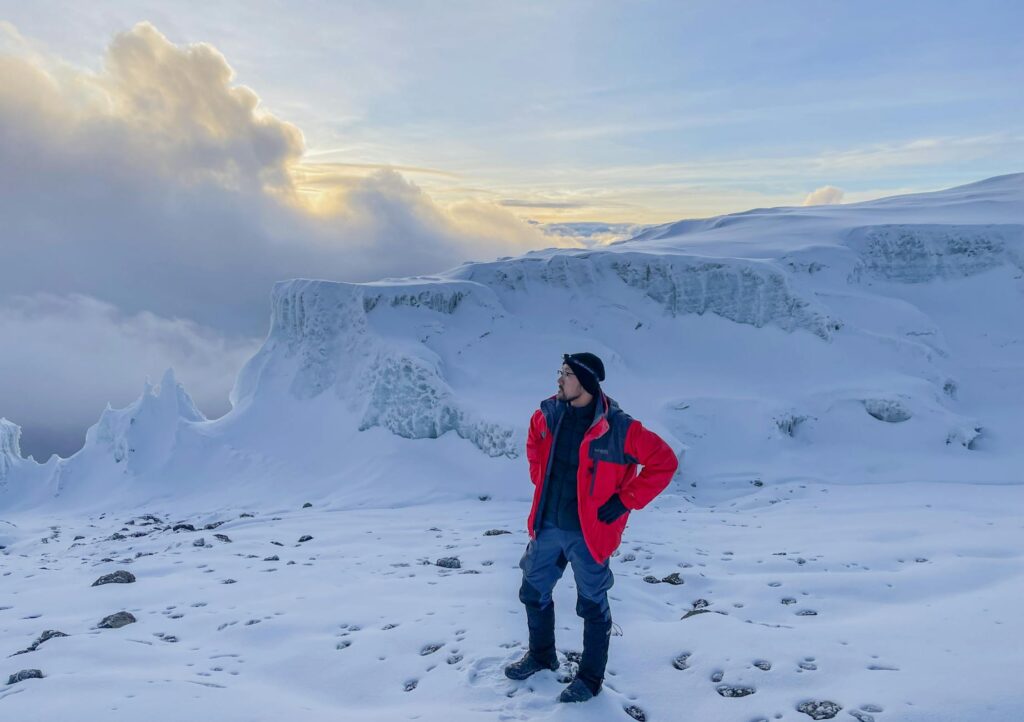
The Sunrise from summit Kilimanjaro is a reward for all your hard work and dedication. It’s a moment of pure joy and triumph. This is the pinnacle of your Kilimanjaro Summit Night Experience. The sheer beauty and sense of achievement are unparalleled.
Final Thoughts on Kilimanjaro Summit Night Experience
The Kilimanjaro Summit Night Experience is a transformative journey that will test your limits and reward you with an unforgettable adventure. It requires careful preparation, both physical and mental. Understanding the schedule, packing the right gear, and maintaining a positive attitude are all crucial for success. Remember to listen to your guide, prioritize your health, and embrace the challenge.
Don’t just dream about conquering Kilimanjaro – start planning your adventure today! Explore our expertly guided treks, learn more about acclimatization strategies, and discover the magic of the Roof of Africa. Visit our website to browse available routes, read inspiring stories from fellow climbers, and take the first step towards achieving your mountaineering goals. Your Kilimanjaro Summit Night Experience awaits!
Frequently Asked Questions
What should I expect during the summit night?
The summit night is the most challenging part of the Kilimanjaro climb. You’ll typically wake up around midnight to begin your ascent to Uhuru Peak. Expect very cold temperatures (often below freezing), darkness (you’ll use headlamps), and a slow, steady pace (“pole pole” in Swahili). It’s a physically and mentally demanding experience, but the sunrise views from the summit are incredibly rewarding.
What gear is essential for summit night?
Layers are key! You’ll need a very warm down jacket, waterproof and windproof outer layers, thermal underwear, multiple pairs of warm socks, a warm hat, and gloves (liner gloves plus waterproof outer gloves are recommended). A headlamp with fresh batteries is absolutely crucial, as is a comfortable backpack to carry water, snacks, and extra layers. Your trekking company will provide a detailed packing list.
How long does it take to reach the summit on summit night?
The time it takes to reach Uhuru Peak varies depending on your route, acclimatization, and pace, but generally it takes between 5-8 hours from your final camp (usually Barafu or Kosovo). The descent takes approximately 3-5 hours back down to a lower camp.
What about altitude sickness on summit night?
Altitude sickness is a serious concern. Your guides will closely monitor you for symptoms throughout the trek, and especially on summit night. They will carry oxygen and can advise you to descend if necessary. Proper acclimatization during the days leading up to the summit attempt is the best prevention. Listen to your body and communicate any symptoms to your guide immediately.
Is it possible to turn back during summit night?
Yes, absolutely. Your safety is the priority. If you are experiencing severe altitude sickness, exhaustion, or any other medical issue, your guides will advise you to turn back. It’s a difficult decision, but a responsible one. There’s no shame in turning around – reaching the summit isn’t worth risking your health.