Table of Contents Whether you’re planning your first visit or returning to explore more, Kilimanjaro Training Guide for Beginners is an experience unlike any other.
- Kilimanjaro Training Guide for Beginners: Your Path to the Summit
- Understanding the Kilimanjaro Challenge
- Cardiovascular Training: Building Endurance
- Strength Training: Preparing Your Muscles
- Acclimatization and Altitude Sickness Prevention
- Gear and Equipment Considerations
- Final Thoughts on Kilimanjaro Training Guide for
Kilimanjaro Training Guide for Beginners: Your Path to the Summit
A comprehensive Kilimanjaro Training Guide for beginners is essential for anyone dreaming of conquering Africa’s highest peak. Mount Kilimanjaro isn’t a technical climb, but its altitude and demanding terrain require significant preparation. This guide will provide you with the expert advice and everything you need to know to successfully reach the summit. We’ll cover fitness, gear, and acclimatization strategies to ensure a safe and rewarding experience.
Understanding the Kilimanjaro Challenge
Before diving into the specifics of training, it’s crucial to understand what you’re up against. Kilimanjaro’s primary challenge isn’t rock climbing or technical skills. It’s the altitude and the sheer endurance required to trek for multiple days. The air gets thinner as you ascend, making even simple tasks exhausting. Proper preparation is the key to mitigating these effects and enjoying the journey.
The Importance of Physical Fitness
A good base level of fitness is paramount. You don’t need to be an elite athlete, but you should be comfortable with sustained physical activity. Focus on building cardiovascular endurance, strength, and flexibility. This Kilimanjaro Training Guide for emphasizes a holistic approach to fitness, addressing all these areas.
Assessing Your Current Fitness Level
Be honest with yourself about your current fitness. Can you comfortably walk for several hours with a backpack? Can you climb stairs without getting winded? If not, you’ll need to start with a foundational fitness program before beginning Kilimanjaro-specific training.
Cardiovascular Training: Building Endurance
Cardiovascular training forms the cornerstone of any Kilimanjaro Training Guide for. You need to build the ability to sustain effort for extended periods. This means strengthening your heart and lungs, and improving your body’s efficiency in using oxygen. Consistency is key – aim for at least three to five cardio sessions per week.
Hiking and Hill Training
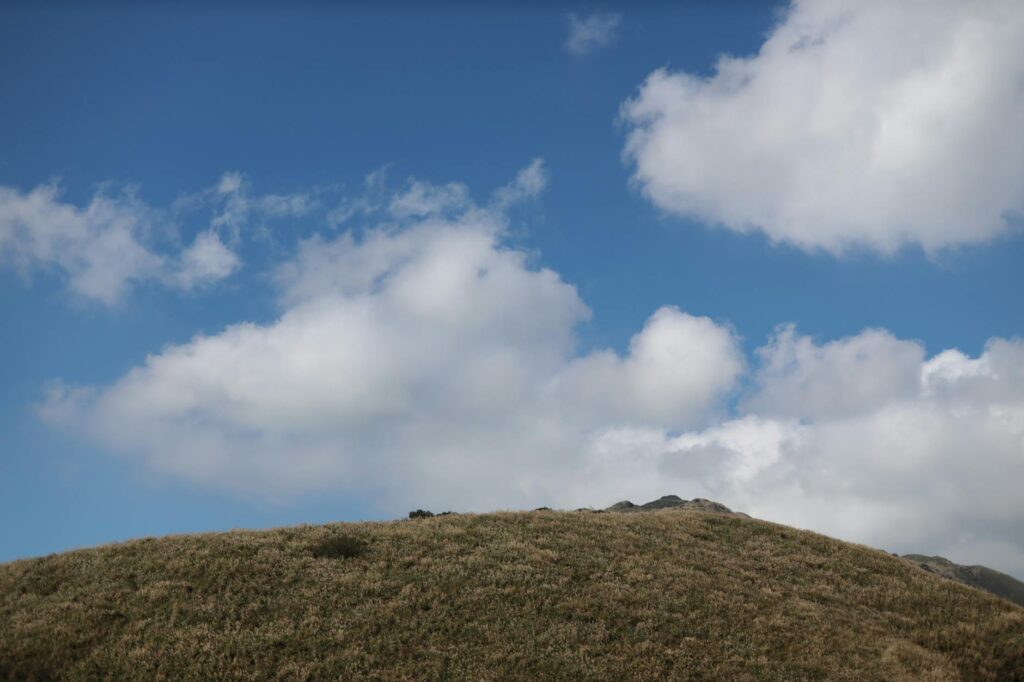
The most specific and effective cardio training is hiking, particularly with a weighted backpack. Find local hills or trails and gradually increase the distance and elevation gain. Hiking training hills simulates the demands of Kilimanjaro, preparing your legs and cardiovascular system. Focus on maintaining a steady pace and practicing proper hiking technique.
Treadmill Incline Training
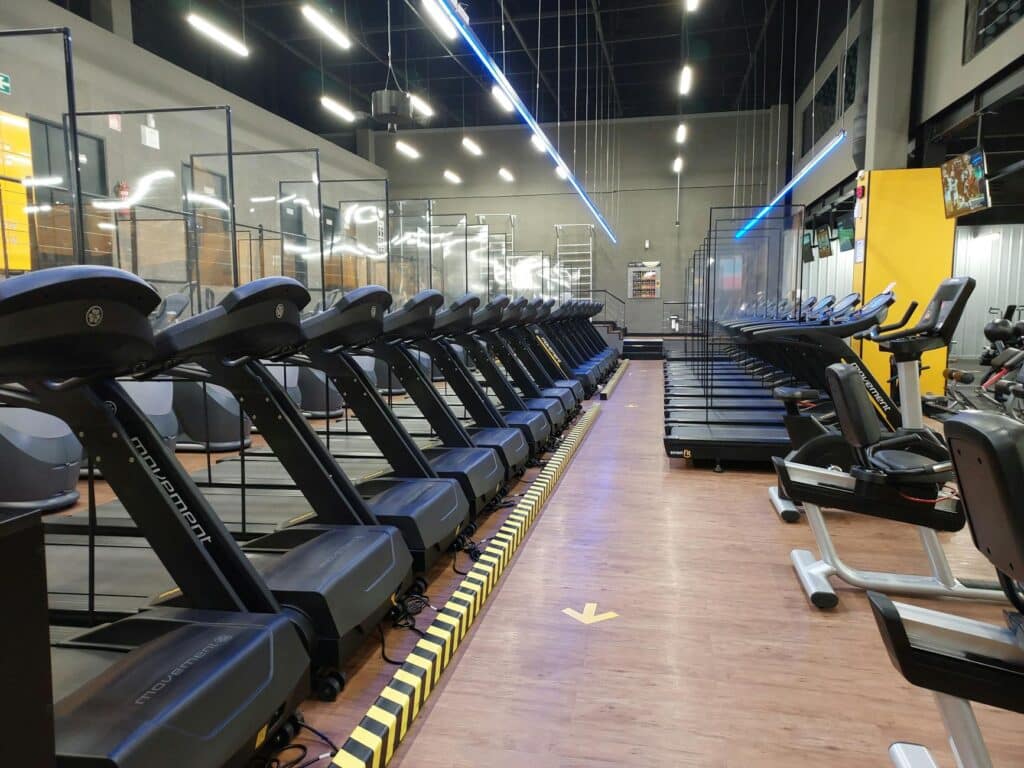
If access to hills is limited, a treadmill with an incline function is a great alternative. Treadmill incline training allows you to control the intensity and simulate uphill walking. Start with a moderate incline and gradually increase it over time. Vary your speed and incline to challenge yourself. Remember to wear your hiking boots during treadmill sessions to break them in and get used to the feel.
Strength Training: Preparing Your Muscles
Strength training is often overlooked, but it’s vital for Kilimanjaro success. Strong legs, core, and back muscles will help you carry your backpack, navigate uneven terrain, and prevent injuries. Focus on exercises that target these muscle groups. Include two to three strength training sessions per week.
Key Exercises for Kilimanjaro
Squats, lunges, step-ups, and calf raises are excellent for building leg strength. Planks, crunches, and back extensions will strengthen your core. Push-ups and rows will work your upper body. Use weights or resistance bands to increase the challenge. Remember to focus on proper form to avoid injuries. Tanzania Travel Guide
Backpack Training
Gradually increase the weight in your backpack during your hikes and strength training sessions. This simulates the load you’ll be carrying on Kilimanjaro. Start with a light weight and gradually increase it over time. Ensure your backpack fits properly and distributes the weight evenly.
Acclimatization and Altitude Sickness Prevention
Altitude sickness is a serious concern on Kilimanjaro. Your body needs time to adjust to the lower oxygen levels at higher altitudes. This Kilimanjaro Training Guide for stresses the importance of acclimatization. Proper acclimatization significantly reduces your risk of developing altitude sickness.
Pre-Acclimatization Strategies
While you can’t fully acclimatize at sea level, you can take steps to prepare your body. Spend time at higher altitudes if possible, even for a weekend getaway. Consider using altitude simulation devices, such as altitude tents or masks, but consult with a doctor before using them. Staying well-hydrated and maintaining a healthy diet are also crucial.
On-Mountain Acclimatization
During your Kilimanjaro trek, follow the “climb high, sleep low” principle. This means ascending to a higher altitude during the day and descending to a lower altitude to sleep. Drink plenty of water, avoid alcohol and smoking, and listen to your body. If you experience symptoms of altitude sickness, such as headache, nausea, or dizziness, inform your guide immediately.
Gear and Equipment Considerations
Having the right gear can make or break your Kilimanjaro experience. Invest in high-quality hiking boots, waterproof clothing, and a comfortable backpack. A Kilimanjaro Training Guide for wouldn’t be complete without mentioning the importance of proper gear. Break in your boots well before the trek to prevent blisters.
Essential Gear Checklist
Hiking boots, waterproof jacket and pants, thermal layers, fleece jacket, hat and gloves, sunscreen, sunglasses, headlamp, water bottles or hydration reservoir, trekking poles, and a first-aid kit are all essential items. Your trekking company will provide a more detailed gear list. Consider participating in a Fitness camp outdoor to test your gear in a similar environment.
Packing Smart
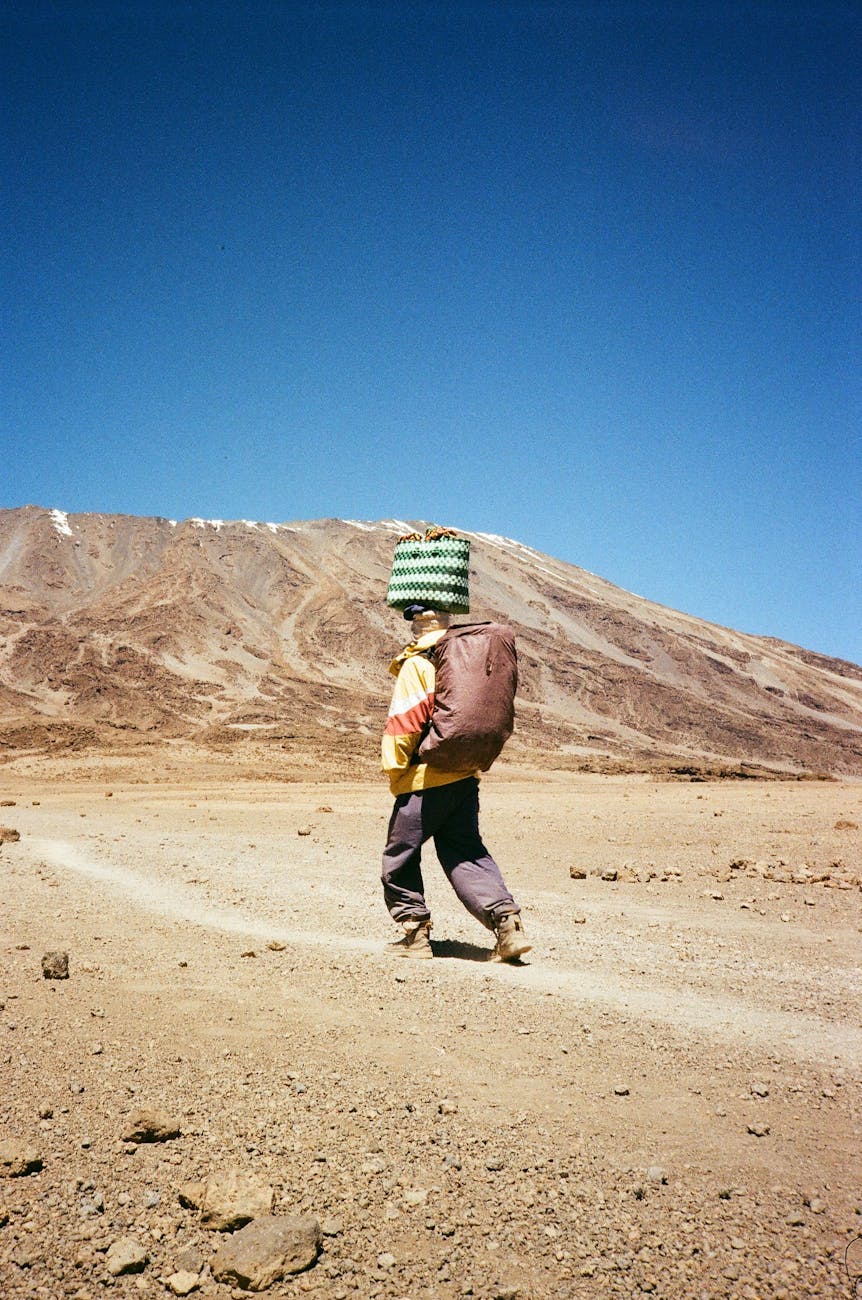
Pack light! You’ll be carrying your backpack for several days. Only bring essential items. Use compression sacks to reduce the volume of your clothing. Distribute the weight evenly in your backpack. Remember that porters will carry the bulk of your gear, but you’ll still need a daypack for essentials.
Final Thoughts on Kilimanjaro Training Guide for
Conquering Kilimanjaro is a challenging but incredibly rewarding experience. This Kilimanjaro Training Guide for provides a solid foundation for your preparation. Remember to listen to your body, be consistent with your training, and prioritize acclimatization. Don’t underestimate the importance of mental preparation – a positive attitude and a strong mindset will help you overcome obstacles.
Are you ready to take the first step towards your Kilimanjaro adventure? Explore our range of Kilimanjaro treks and start planning your dream climb today! Visit our website to learn more about our itineraries, experienced guides, and commitment to responsible tourism. Don’t just dream it, climb it!
Frequently Asked Questions
How long should I train for Kilimanjaro?
Ideally, you should train for at least 6 months before attempting Kilimanjaro. This allows for a gradual build-up of fitness, including cardiovascular endurance, strength, and acclimatization hikes. The longer you train, the better prepared you’ll be.
What kind of training should I focus on?
Your training should be a mix of cardiovascular exercise (hiking, running, swimming, cycling), strength training (legs, core, back), and hiking with a weighted pack. Focus on building endurance for long days on your feet and strength to handle the altitude and terrain. Include hill repeats to simulate the climb.
Do I need to hike with a weighted pack during training?
Yes, absolutely! Start with a light pack (10-15 lbs) and gradually increase the weight to simulate the pack you’ll carry on Kilimanjaro (typically 20-30 lbs). This helps your body get used to the extra load and builds the necessary strength and endurance.
What if I’m not a hiker currently? Can I still train for Kilimanjaro?
Yes, but you’ll need to start slowly and build up your hiking experience gradually. Begin with shorter, easier hikes and progressively increase the distance and elevation gain. Focus on building a solid base of cardiovascular fitness before adding weight to your pack. Consider joining a hiking group for support and guidance.
How important is altitude acclimatization training?
Very important! While you can’t fully replicate Kilimanjaro’s altitude during training, you can incorporate hikes at higher elevations if possible. Even spending time at moderate altitude (5,000-8,000 feet) can help. Understanding the symptoms of altitude sickness and how to respond is also crucial.