Table of Contents
Ngorongoro Crater Wildlife Safari Guide
The Ngorongoro Crater, a UNESCO World Heritage Site, is arguably the most spectacular wildlife viewing arena in Africa. This collapsed volcano boasts a remarkably high density of animals, making it a truly unforgettable safari destination. This guide provides everything you need to know to plan your Ngorongoro Crater wildlife safari, from what to expect to expert tips for maximizing your experience.
Understanding the Ngorongoro Crater
What Makes it Special?
Unlike national parks that encompass vast areas, the Ngorongoro Crater is a self-contained ecosystem. Its steep walls create a natural enclosure, supporting an incredible concentration of wildlife. This unique environment allows for exceptional game viewing opportunities in a relatively small area.
The Crater’s Geology & Formation
The Ngorongoro Crater formed approximately two to three million years ago when a large volcano exploded and collapsed in on itself. The resulting caldera is now 610 meters (2,000 feet) deep and 260 square kilometers (100 square miles) in diameter. This geological wonder provides a stunning backdrop for your safari adventure.
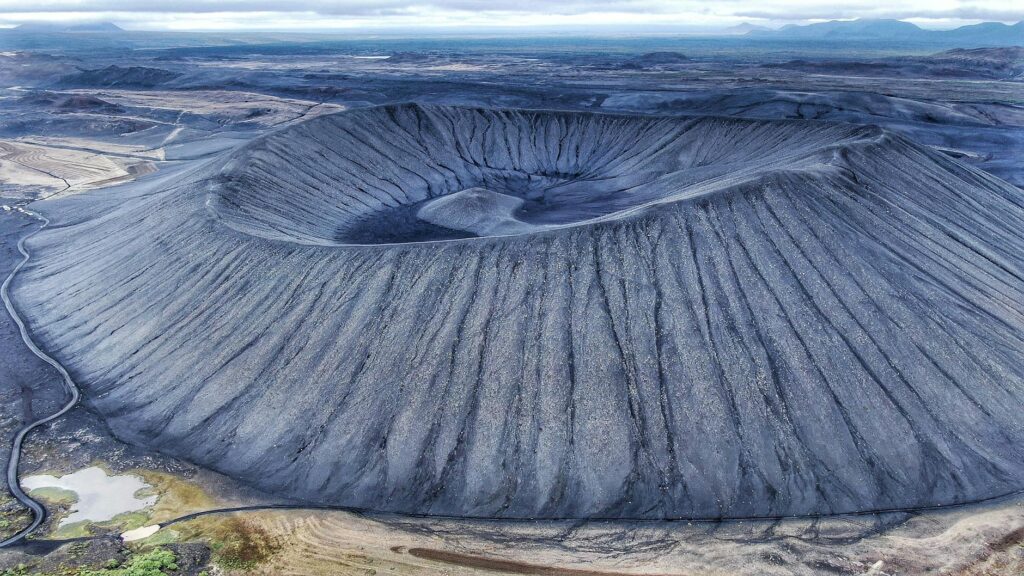
– Crater panoramic view
What Animals Live in the Crater?
The Crater is home to a remarkable diversity of species, including the “Big Five” – lion, elephant, buffalo, rhinoceros, and leopard. It’s also a haven for wildebeest, zebra, gazelle, and a plethora of birdlife. The high concentration of prey attracts a significant predator population, ensuring thrilling sightings.
Planning Your Safari
Best Time to Visit
The dry season (June to October) is generally considered the best time for a Ngorongoro Crater safari. During this period, vegetation is sparse, making it easier to spot animals. Wildlife congregates around the limited water sources, increasing your chances of incredible encounters.
Safari Options: Group vs. Private
You can choose between joining a group safari or opting for a private tour. Group safaris are more affordable, while private safaris offer greater flexibility and a more personalized experience. Consider your budget and preferences when making your decision.
Permits and Fees
Access to the Ngorongoro Crater requires permits, which are typically arranged through your tour operator. Crater fees are substantial, so factor this into your overall safari cost. These fees contribute to the conservation of this incredible ecosystem.
What to Expect on a Crater Safari
The Descent into the Crater
The descent into the Crater is an experience in itself. The winding road offers breathtaking views, and the anticipation builds as you approach the crater floor. Be prepared for a bumpy ride, but the reward is well worth it!
Game Viewing Highlights
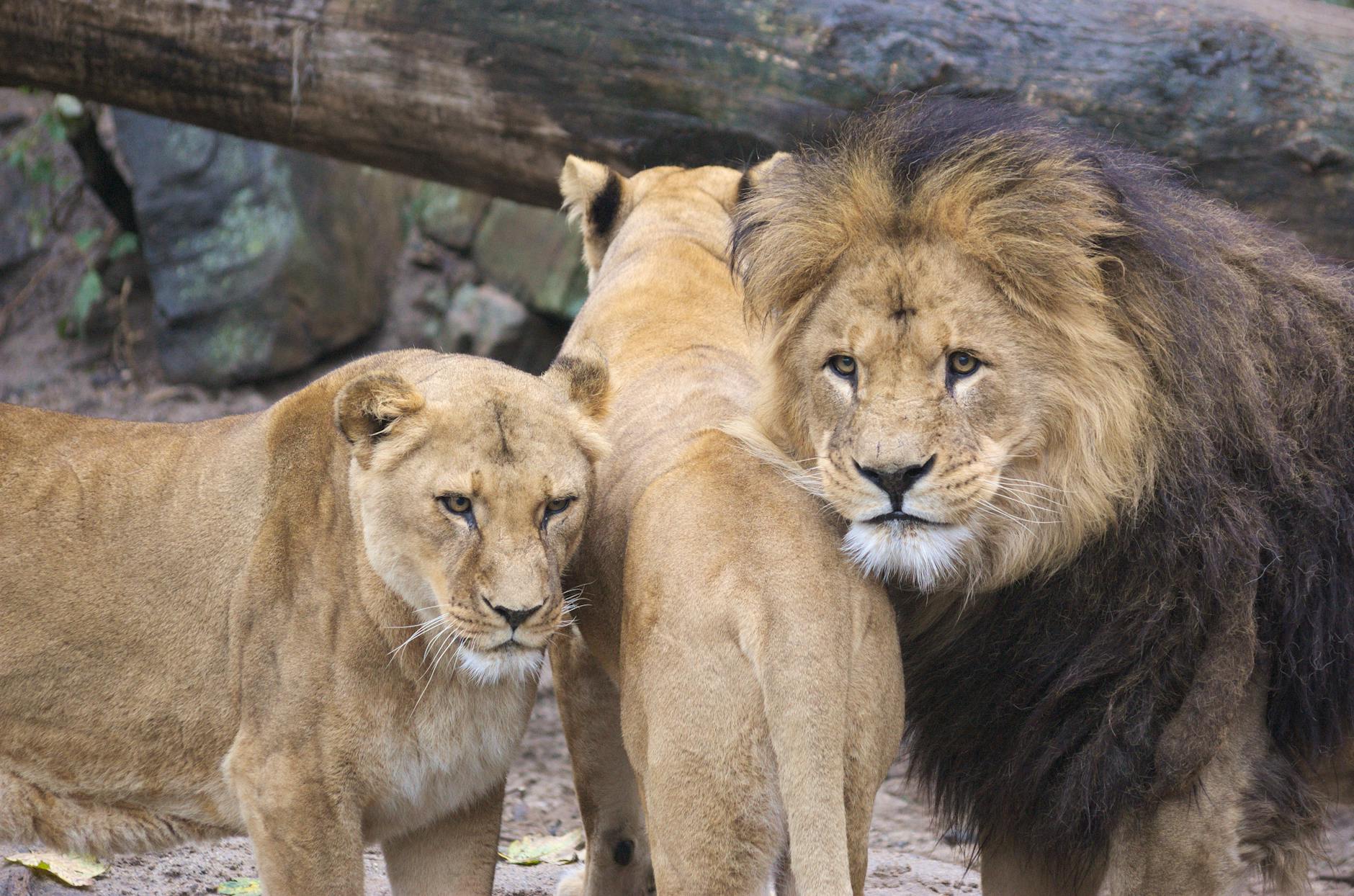
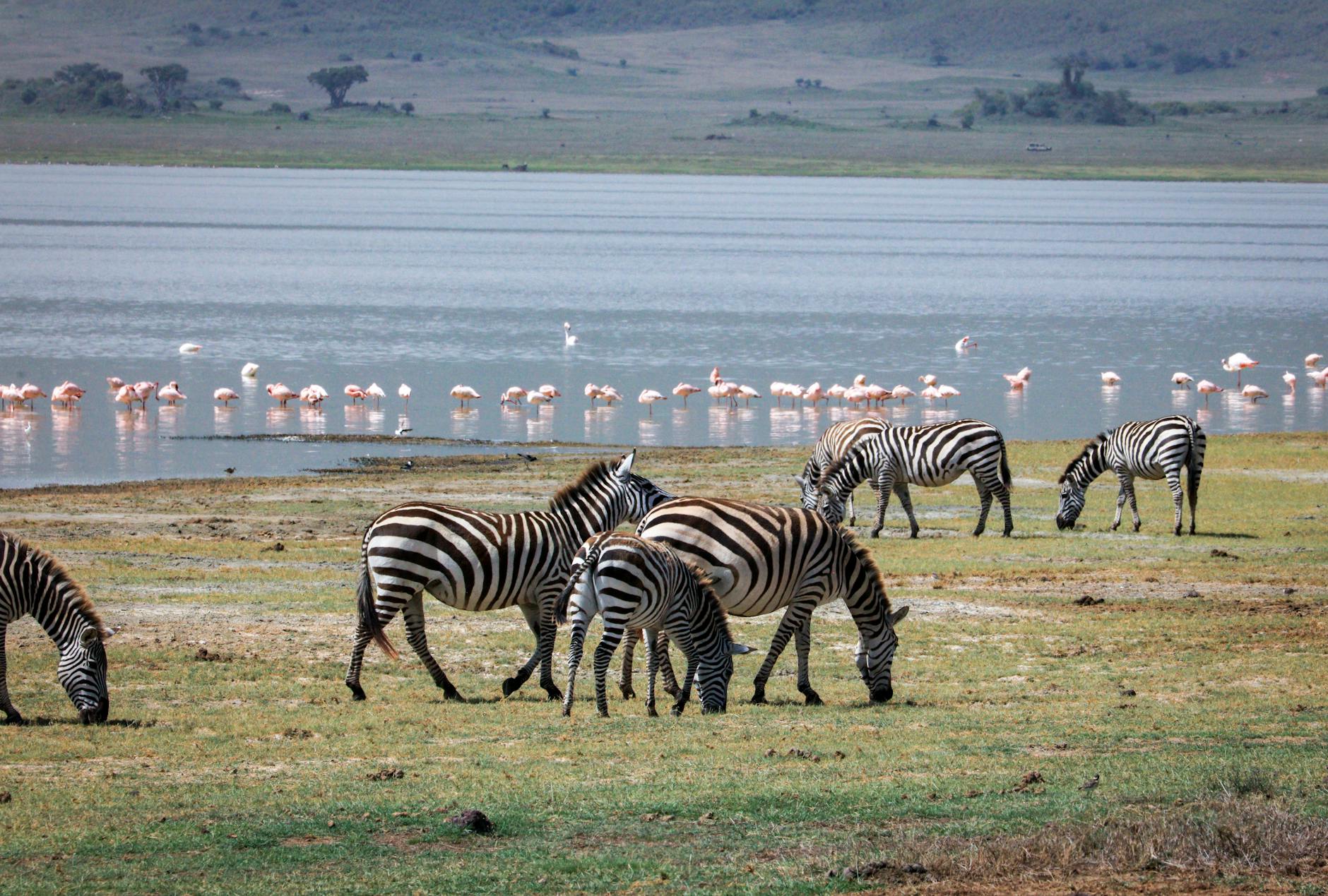
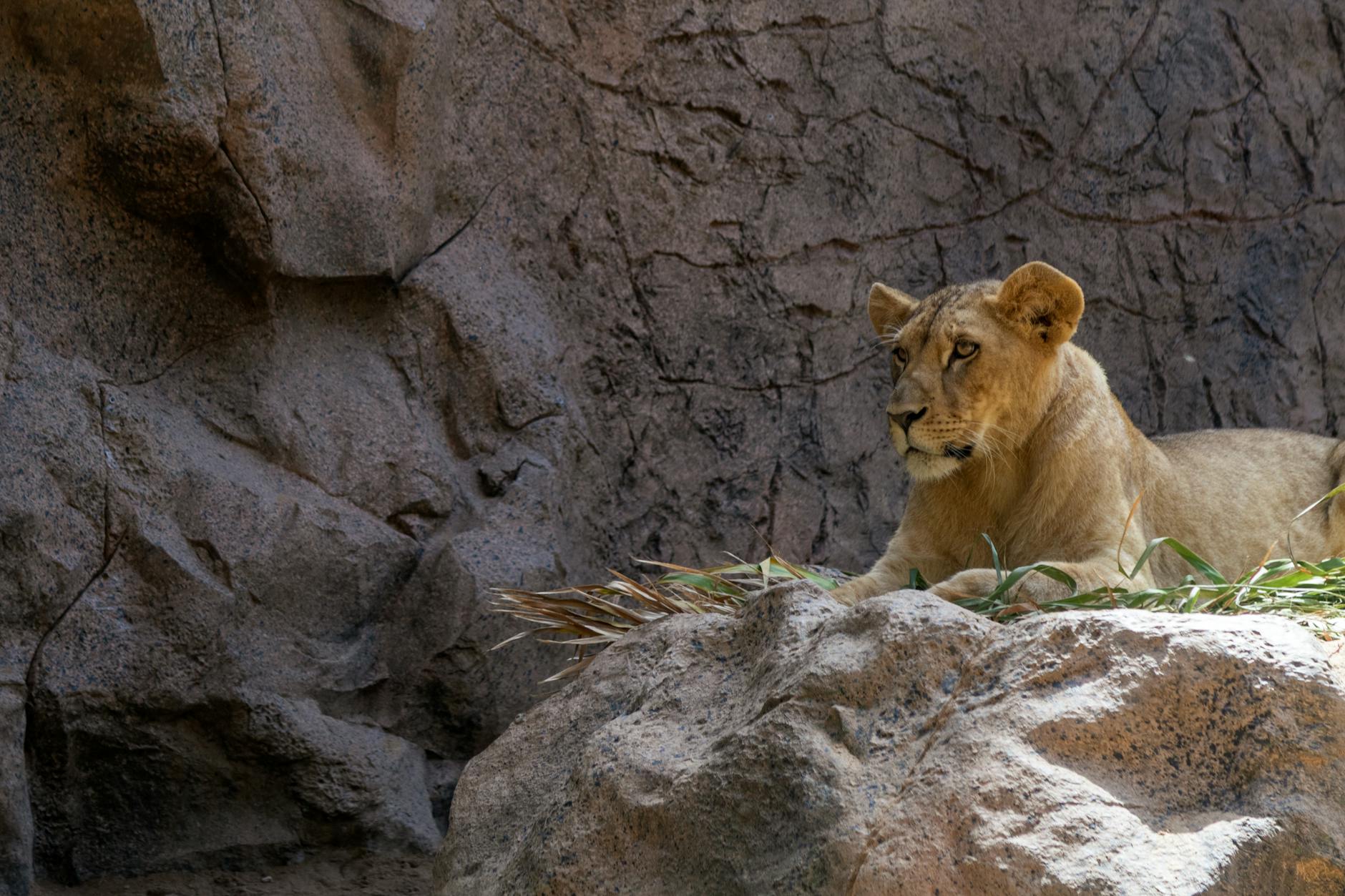
Expect to see large herds of wildebeest and zebra grazing on the plains. Keep an eye out for lions, often spotted lounging in the shade or stalking their prey. The Crater is also a prime location for spotting the endangered black rhinoceros.
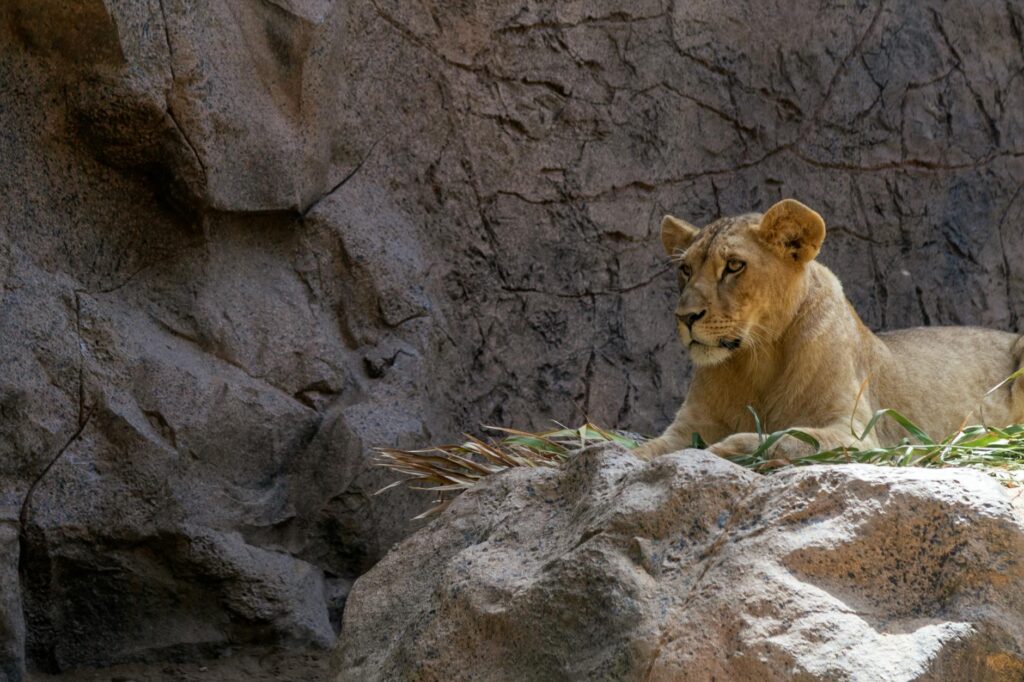
– Lions in Ngorongoro Crater
The Soda Lake & Birdlife
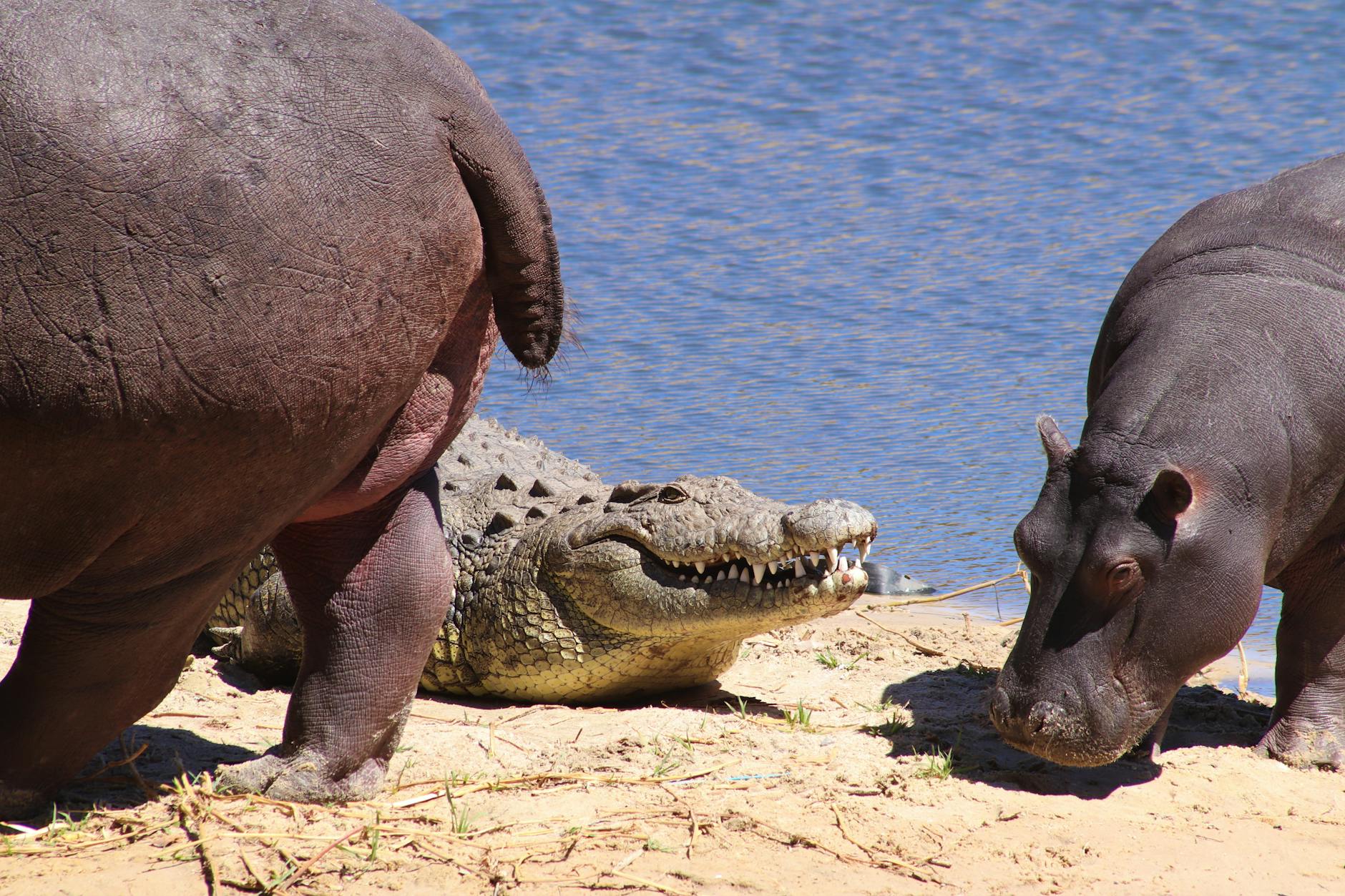
The Crater’s soda lake attracts a vast array of birdlife, including flamingos, pelicans, and storks. It’s a birdwatcher’s paradise! The lake also supports a population of hippos, adding to the diversity of the ecosystem.
Picnic Lunch in the Crater
Most safaris include a picnic lunch enjoyed in a designated area within the Crater. It’s a wonderful opportunity to relax, soak in the surroundings, and reflect on the incredible wildlife you’ve seen. Be mindful of your surroundings and keep food securely stored.
Expert Tips for a Successful Safari
Choosing the Right Tour Operator
Select a reputable tour operator with experienced guides and well-maintained vehicles. Read reviews and compare itineraries to find the best fit for your needs. A knowledgeable guide can significantly enhance your safari experience.
What to Pack
Pack layers of clothing, as temperatures can fluctuate throughout the day. Bring a hat, sunglasses, sunscreen, and insect repellent. Don’t forget your binoculars and a camera with a good zoom lens to capture those unforgettable moments.
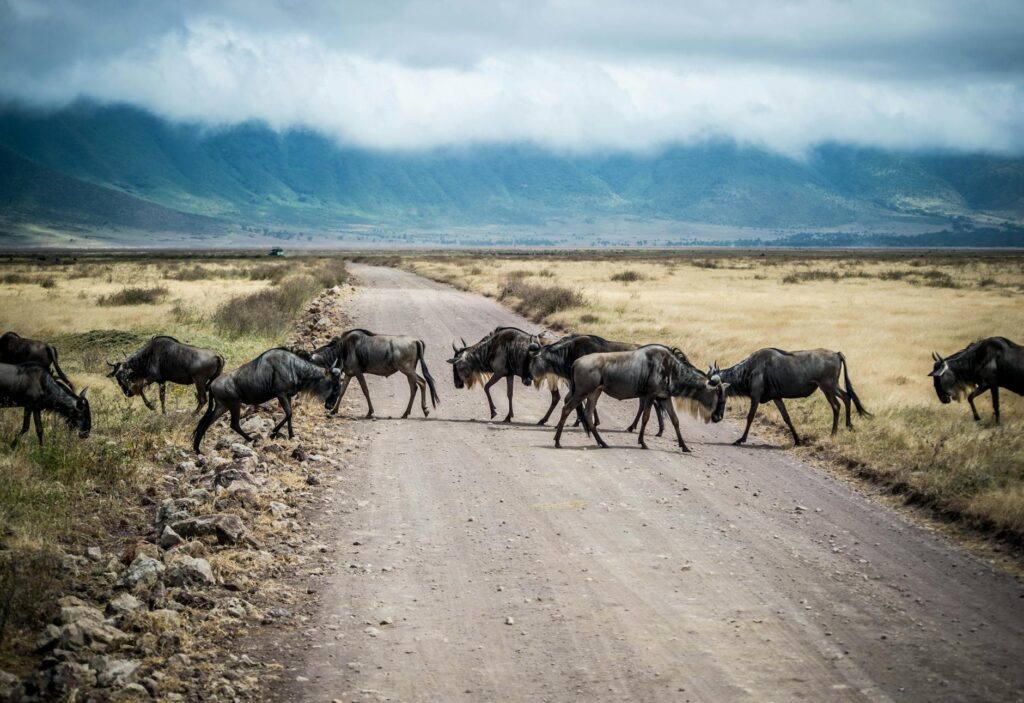
– Wildebeest herd Ngorongoro
Respecting the Wildlife
Maintain a safe distance from the animals and avoid making loud noises. Never feed the wildlife, as this can disrupt their natural behavior. Follow your guide’s instructions and respect the environment.
Photography Tips
Use a fast shutter speed to capture sharp images of moving animals. Utilize the golden hours (early morning and late afternoon) for the best lighting. Be patient and wait for the perfect moment to capture that stunning shot.
Conservation Efforts in the Ngorongoro Crater
The Importance of Sustainable Tourism
Sustainable tourism practices are crucial for protecting the Ngorongoro Crater’s fragile ecosystem. Choosing eco-friendly tour operators and respecting the environment are essential steps. Supporting local communities also contributes to conservation efforts.
Challenges Facing the Crater
The Crater faces challenges such as increasing human population around the crater rim and the potential for habitat loss. Conservation organizations are working to address these issues and ensure the long-term survival of the ecosystem.
Conclusion
A Ngorongoro Crater wildlife safari is an experience of a lifetime, offering unparalleled wildlife viewing opportunities in a breathtaking setting. Start planning your adventure today and prepare to be amazed by the natural wonders of this incredible destination!
Frequently Asked Questions
What is the best time of year to go on a Ngorongoro Crater wildlife safari?
The dry season, from June to October, is generally considered the best time for a Ngorongoro Crater safari. Wildlife is concentrated around the water sources, making it easier to spot. The vegetation is also less dense. However, the crater is a fantastic year-round destination, even during the green season (November to May) when birdlife is abundant and the landscape is lush.
What kind of wildlife can I expect to see in the Ngorongoro Crater?
The Ngorongoro Crater boasts an incredibly high density of wildlife. You have a very good chance of seeing the “Big Five” – lion, elephant, buffalo, rhino, and leopard. Other commonly sighted animals include wildebeest, zebra, gazelle, hyena, flamingos (depending on water levels), and a variety of bird species. It’s one of the best places in Africa to see black rhinos.
How long is a typical safari in the Ngorongoro Crater?
Most Ngorongoro Crater safaris are done as a day trip from nearby towns like Karatu or the Serengeti. However, spending a full day *inside* the crater is common, allowing for thorough exploration. Many itineraries combine a crater visit with longer safaris in the Serengeti or other northern circuit destinations. A typical crater visit itself lasts 6-8 hours.
What should I pack for a Ngorongoro Crater safari?
Pack layers! The crater can experience significant temperature fluctuations throughout the day. Essentials include comfortable walking shoes, neutral-colored clothing, a hat, sunglasses, sunscreen, insect repellent, binoculars, a camera with a good zoom lens, and a light jacket or fleece. Don’t forget any necessary medications and a reusable water bottle.
Is the Ngorongoro Crater safari suitable for families with children?
Yes, Ngorongoro Crater safaris are generally suitable for families with children. The relatively contained environment of the crater makes wildlife viewing easier and safer. However, it’s important to consider the length of the game drive and the potential for bumpy roads. Discuss your children’s ages and interests with your safari operator to tailor the experience accordingly.