
Table of Contents Whether you’re planning your first visit or returning to explore more, Safari Health and Safety Tips is an experience unlike any other.
Safari Health and Safety: Your Complete Guide: Safari Health And Safety Tips
Safari Health and Safety is paramount when planning an unforgettable adventure into the African wilderness. A safari offers incredible wildlife encounters and stunning landscapes, but it’s crucial to be prepared for potential health and safety challenges. This comprehensive guide provides expert tips and advice to ensure a smooth and secure experience. We’ll cover everything from vaccinations to wildlife encounters, equipping you with the knowledge to enjoy your safari to the fullest.
Pre-Trip Health Preparations
Vaccinations and Medications
Before embarking on your safari, a visit to your doctor or a travel clinic is essential. They can advise on necessary vaccinations and medications based on your destination and travel style. Common vaccinations recommended for African safaris include Yellow Fever, Typhoid, Hepatitis A, and Polio.

A Safari vaccination clinic visit will ensure you are fully protected against preventable diseases.
Malaria prevention is also critical. Your doctor will likely prescribe antimalarial medication, and it’s vital to take it as directed throughout your trip and for a period afterward. Don’t forget to pack a comprehensive personal first-aid kit, including any prescription medications you require.
Travel Insurance and Medical History
Comprehensive travel insurance is non-negotiable for any safari. Ensure your policy covers medical emergencies, evacuation, and repatriation. Inform your insurance provider about your safari plans, including any adventurous activities you intend to participate in. Tanzania National Parks Authority
Carry a copy of your medical history, including any allergies, pre-existing conditions, and current medications. It’s also helpful to have a list of emergency contacts readily available. Consider wearing a medical ID bracelet if you have a serious allergy or condition.
Staying Safe During Your Safari
Wildlife Awareness and Respect
The African bush is home to incredible wildlife, but it’s essential to remember that these are wild animals. Maintain a safe distance from all animals at all times, and never approach or attempt to feed them. Listen carefully to your guide’s instructions and follow their advice.
During game drives, remain seated in the vehicle unless instructed otherwise. Avoid making loud noises or sudden movements that could startle the animals. Be particularly cautious around elephants, buffalo, and lions, as these are considered the most dangerous animals.
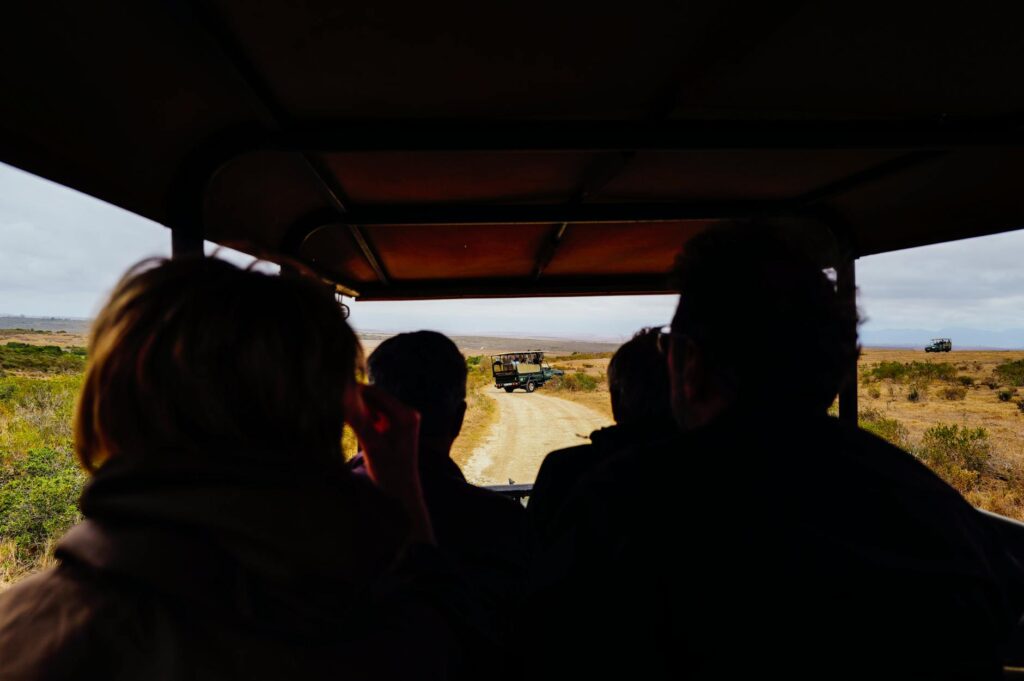
A Safety briefing safari before heading out is crucial for understanding animal behaviour and safety protocols.
Vehicle and Camp Safety
Ensure the safari vehicle is well-maintained and equipped with appropriate safety features. Always wear a seatbelt when the vehicle is in motion. At your camp or lodge, be aware of your surroundings and avoid walking around alone at night.
Keep your tent or accommodation securely zipped up, and store food items in airtight containers to prevent attracting animals. Familiarize yourself with the camp’s emergency procedures and evacuation plan. Report any concerns or suspicious activity to the camp staff immediately. CDC Travel Health: Tanzania
Essential Items for Your Safari First Aid Kit
Building Your Kit
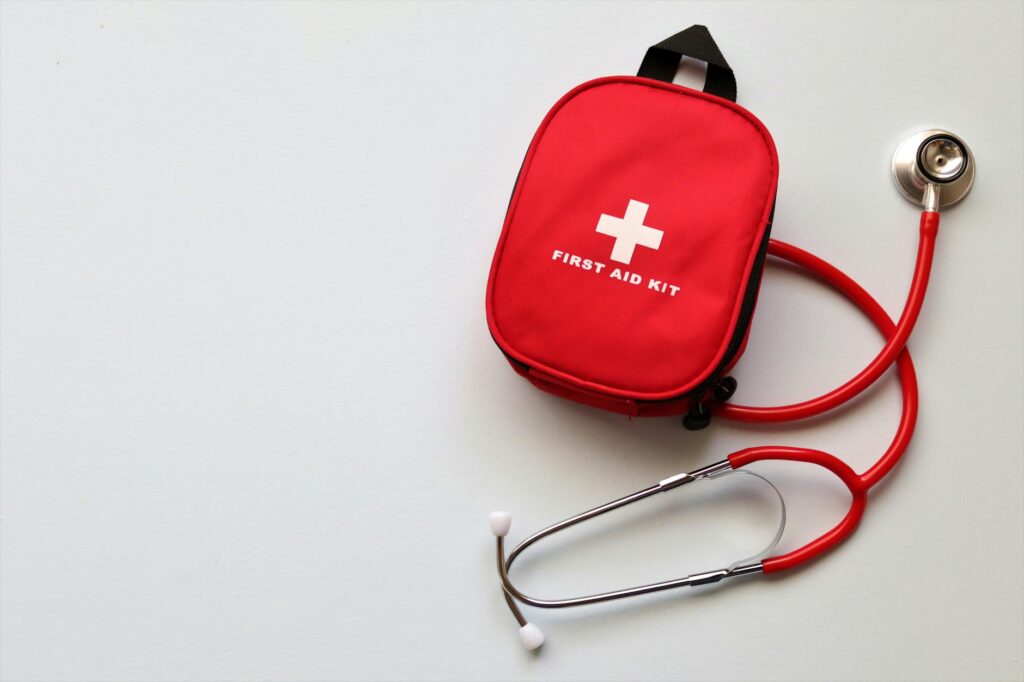
A well-stocked First aid kit safari is essential for dealing with minor injuries and illnesses. Include items such as antiseptic wipes, bandages, plasters, pain relievers, anti-diarrheal medication, rehydration salts, and insect repellent. Don’t forget sunscreen, lip balm with SPF, and hand sanitizer.
Consider adding blister treatment, antiseptic cream, and any personal medications you require. A small pair of tweezers can be useful for removing splinters or ticks. Ensure you know how to use all the items in your kit before you go.
Dealing with Common Ailments
Diarrhea is a common ailment among travelers, so pack anti-diarrheal medication and rehydration salts. Insect bites are also prevalent, so use insect repellent regularly and treat bites with antiseptic cream. Sunburn can be a serious issue, so wear sunscreen, a hat, and protective clothing.
If you experience a fever, headache, or other flu-like symptoms, seek medical attention immediately. Don’t self-medicate, as this could mask underlying conditions. Your safari operator should have procedures in place for dealing with medical emergencies.
Water and Food Safety on Safari
Drinking Water Precautions
Drinking safe water is crucial to prevent dehydration and waterborne illnesses. Avoid drinking tap water, ice, or water from streams or rivers. Stick to bottled water, or use a water purification system. Ensure the bottled water seal is intact before drinking.
Carry a reusable water bottle and refill it with purified water throughout the day. Staying hydrated is especially important in hot climates. Consider adding electrolyte tablets to your water to replenish lost minerals.
Food Hygiene Practices
Be cautious about the food you eat on safari. Avoid eating raw or undercooked meat, seafood, or eggs. Ensure food is thoroughly cooked and served hot. Eat at reputable restaurants or lodges that adhere to strict hygiene standards.
Wash your hands thoroughly before eating and after using the restroom. Avoid eating food from street vendors unless you are confident in their hygiene practices. Peel fruits and vegetables yourself to avoid contamination. Safari Health and Safety extends to being mindful of what you consume.
Emergency Procedures and Communication
Knowing the Plan
Before your safari begins, familiarize yourself with the emergency procedures. Know how to contact your safari operator, the local authorities, and your embassy or consulate. Ensure you have a way to communicate in case of an emergency, such as a satellite phone or a local SIM card.
Your safari operator should have a detailed evacuation plan in place, including access to medical facilities and transportation. Understand the procedures for reporting an incident or requesting assistance. Don’t hesitate to ask questions if you are unsure about anything.
Communication Tools and Strategies
Cell phone coverage can be limited in remote safari areas. Consider renting a satellite phone for reliable communication. A local SIM card can provide access to mobile networks in some areas. Inform your family and friends of your itinerary and check in with them regularly.
Carry a whistle to signal for help in an emergency. Learn a few basic phrases in the local language to facilitate communication. Be aware of your surroundings and trust your instincts. Safari Health and Safety relies on proactive communication.
Final Thoughts on Safari Health and Safety
A safari is an incredible experience, but it’s essential to prioritize your health and safety. By following these tips and being prepared for potential challenges, you can minimize risks and enjoy a memorable adventure. Remember to consult your doctor, pack a comprehensive first-aid kit, and be aware of your surroundings.
Don’t let concerns about health and safety hold you back from exploring the wonders of Africa! With careful planning and a responsible approach, you can embark on a truly unforgettable journey. Start planning your dream safari today and discover the magic of the African wilderness – a world of breathtaking landscapes, incredible wildlife, and unparalleled adventure awaits! Explore our curated safari packages and let us help you create the safari of a lifetime.
Frequently Asked Questions
What should I do to protect myself from the sun during a safari?
The African sun is very strong! Wear a wide-brimmed hat, sunglasses with UV protection, and apply high SPF sunscreen (30 or higher) liberally and frequently, even on cloudy days. Consider wearing long sleeves and pants in lighter colors for added protection.
Are there any vaccinations or medications I should take before a safari?
Consult your doctor or a travel clinic well in advance of your trip (at least 6-8 weeks). Recommended vaccinations often include Yellow Fever, Typhoid, Hepatitis A, and Tetanus. Malaria prophylaxis is frequently recommended or required depending on the region you’re visiting. Your doctor will advise based on your itinerary.
What precautions should I take regarding wildlife encounters?
Always listen to your guide! Maintain a safe distance from animals – never approach them. Remain quiet and calm. Do not feed the animals. Keep your hands and arms inside the vehicle unless instructed otherwise. Be aware of your surroundings at all times.
What kind of clothing is best to wear on safari?
Neutral colors (khaki, olive green, beige) are best as they blend in with the environment and are less likely to attract insects. Pack lightweight, breathable clothing that dries quickly. Layers are important as temperatures can fluctuate significantly between day and night. Long sleeves and pants can protect against insects and scratches.
What should I do if I get bitten by an insect?
Clean the bite area thoroughly with soap and water. Apply an antiseptic cream or lotion. Monitor the bite for signs of infection (redness, swelling, pus). If you develop a fever, rash, or other concerning symptoms, seek medical attention immediately. Inform your guide about the bite.