Table of Contents Whether you’re planning your first visit or returning to explore more, Seasonal Weather Guide for Tanzania is an experience unlike any other.
Seasonal Weather Guide for Tanzania: Planning Your Perfect Trip: Seasonal Weather Guide For Tanzania
A Seasonal Weather Guide for Tanzania is essential for anyone planning a safari, climb, or beach getaway. Tanzania’s weather patterns are surprisingly diverse, influenced by its geography and proximity to the equator. Understanding these patterns will ensure you pack appropriately and experience the country at its best. This comprehensive guide will break down the seasons, regional variations, and what to expect throughout the year.
Understanding Tanzania’s Climate Zones
Tanzania isn’t a one-size-fits-all climate destination. It boasts several distinct climate zones, each with its own unique characteristics. The northern highlands, including Kilimanjaro, experience an alpine climate. Coastal areas are hot and humid, while the central plateau enjoys a more temperate climate.
The western part of the country, influenced by Lake Tanganyika, is generally warmer and wetter.
The Two Rainy Seasons
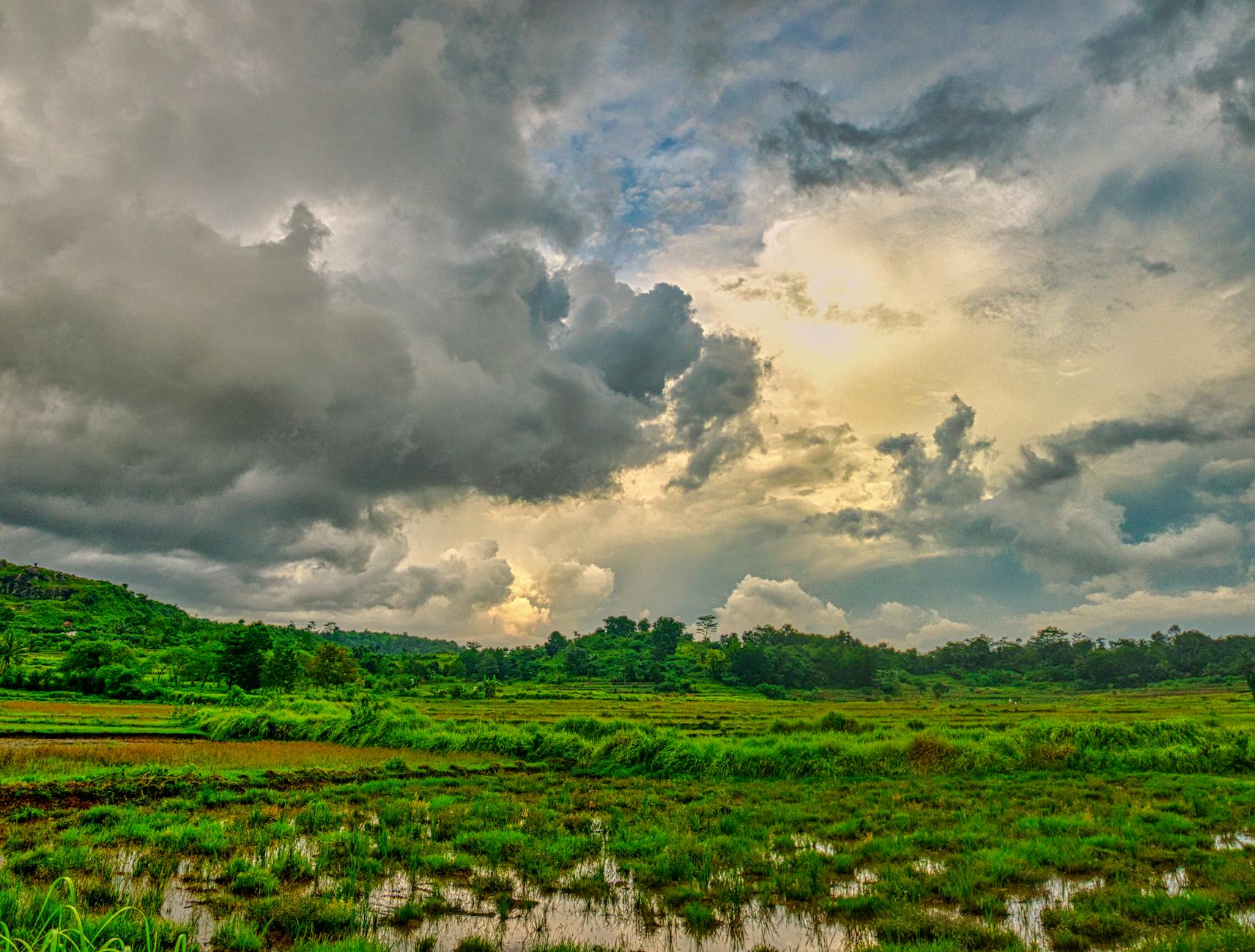
Tanzania experiences two rainy seasons: the “long rains” (Masika) from March to May and the “short rains” (Vuli) from November to December. The long rains are typically heavier and more consistent, transforming the landscape into a lush green paradise. The short rains are generally lighter and more predictable, often arriving in the late afternoon. These periods significantly impact travel, particularly safari experiences.
Regional Variations in Rainfall
Rainfall varies considerably across Tanzania. Northern Tanzania, popular for safaris, receives more rainfall than the southern regions. The Serengeti and Ngorongoro Crater experience distinct wet and dry seasons. Coastal areas, like Zanzibar, have a more tropical climate with rainfall spread throughout the year, though peaking during the rainy seasons. Tanzania Travel Guide
A Detailed Look at the Dry Season (June – October)
The dry season, from June to October, is widely considered the best time to visit Tanzania. This period offers optimal wildlife viewing conditions and pleasant temperatures. The vegetation is sparse, making it easier to spot animals. The skies are clear, and the days are warm and sunny.
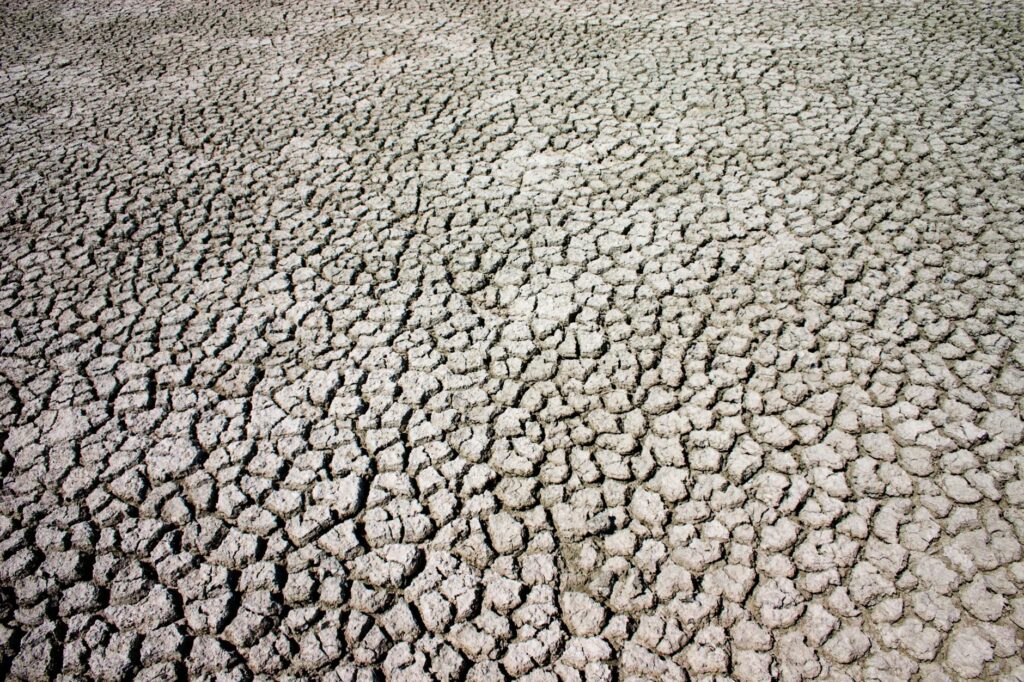
This is peak tourist season, so expect higher prices and more crowds.
Safari Conditions During the Dry Season
The dry season is prime safari time. Animals congregate around remaining water sources, increasing your chances of incredible sightings. Roads are generally in good condition, making travel easier. Game drives are more comfortable due to the cooler temperatures and lack of mud. The Seasonal Weather Guide for this period highlights the benefits for wildlife enthusiasts.
Kilimanjaro Climbing in the Dry Season
For climbers, the dry season offers the best conditions for ascending Kilimanjaro. Clear skies and stable weather patterns increase the chances of a successful summit. Temperatures are cooler, but still manageable with appropriate clothing. However, be prepared for cold nights at higher altitudes.
Navigating the Rainy Seasons (November – May)
While the rainy seasons might deter some travelers, they offer unique advantages. The landscape transforms into a vibrant green, and the crowds are significantly smaller. Prices for accommodation and tours are often lower. However, be prepared for muddy roads and potential disruptions to travel plans. A Seasonal Weather Guide for these months requires flexibility.
The Long Rains (March – May): Lush Landscapes
The long rains bring a dramatic transformation to Tanzania. The savannahs come alive with wildflowers, and the air is fresh and clean. Birdwatching is excellent during this time, as migratory birds arrive. Safari experiences can still be rewarding, but require a bit more patience and a willingness to embrace the mud.
Tanzania National Parks Authority
The Short Rains (November – December): Refreshing Showers
The short rains are typically less disruptive than the long rains. Showers are often brief and followed by sunshine. The landscape is still green and beautiful, and wildlife viewing remains good. This period offers a good balance between pleasant weather and fewer crowds.
Specific Regional Weather Patterns
Understanding regional variations is crucial when planning your trip. Zanzibar, for example, has a more consistent tropical climate. The Serengeti experiences more pronounced wet and dry seasons. The southern highlands have a cooler, more temperate climate. This Seasonal Weather Guide for Tanzania emphasizes the importance of localized forecasts.
Zanzibar: Tropical Paradise
Zanzibar enjoys warm temperatures year-round, with average highs around 86°F (30°C). The rainy seasons bring humidity and occasional showers, but the sun usually shines through. The best time to visit Zanzibar is during the dry season (June – October) for optimal beach weather.
The Serengeti & Ngorongoro: Wildlife Hotspots
The Serengeti and Ngorongoro Crater experience distinct wet and dry seasons. The Great Migration follows the rains, creating spectacular wildlife viewing opportunities. During the dry season, animals congregate around water sources. The wet season brings lush vegetation and calving season, attracting predators.
Final Thoughts on Seasonal Weather Guide for
Tanzania’s weather is a dynamic element that shapes the safari experience and overall travel enjoyment. Careful consideration of this Seasonal Weather Guide for will empower you to choose the best time to visit based on your priorities. Whether you seek the optimal wildlife viewing of the dry season or the lush landscapes of the rainy season, Tanzania offers something for every traveler.
Don’t let unpredictable weather hold you back from experiencing the magic of Tanzania! Start planning your adventure today and discover the breathtaking landscapes, incredible wildlife, and vibrant culture that await you. Explore our curated safari packages and tailor-made itineraries to create the trip of a lifetime. Book your Tanzanian escape now and prepare for an unforgettable journey!
Frequently Asked Questions
What are the best months to visit Tanzania for a safari?
The best months for a Tanzania safari are generally during the dry season, from June to October. This is when wildlife is concentrated around water sources, making it easier to spot them. The Great Migration is typically in the Serengeti during this time. December to March is also good, offering lush landscapes but with a higher chance of rain.
What is the weather like during the rainy season in Tanzania?
Tanzania has two rainy seasons. The ‘long rains’ are from March to May, with heavy downpours, especially in the afternoons. The ‘short rains’ are from November to December, which are generally lighter and less predictable. While safaris are still possible during the rainy seasons, some roads may become impassable, and game viewing can be more challenging due to thicker vegetation.
What should I pack for a trip to Tanzania, considering the seasonal weather?
Packing depends on the time of year. For the dry season (June-October), pack light, breathable clothing, layers for cool evenings, a hat, sunglasses, and sunscreen. For the rainy season (March-May & Nov-Dec), bring waterproof jackets, quick-drying clothes, and waterproof bags for your electronics. Sturdy walking shoes are essential year-round.
How does the weather vary between different regions of Tanzania?
Tanzania’s weather varies significantly by region. Coastal areas like Zanzibar are hot and humid year-round, with more consistent rainfall. The northern circuit (Serengeti, Ngorongoro) experiences distinct dry and wet seasons. Mount Kilimanjaro has its own microclimates, with temperatures decreasing with altitude. The southern parks (Ruaha, Selous) are generally hotter and drier than the north.
Is it possible to climb Mount Kilimanjaro during the rainy season?
Climbing Kilimanjaro is possible during the rainy seasons, but it’s generally not recommended. Trails can be slippery and muddy, increasing the risk of accidents. Visibility can also be poor. The best months to climb are during the dry seasons (January-March and June-October), although January-March can be warmer.