Table of Contents Whether you’re planning your first visit or returning to explore more, Serengeti Safari Guide on a Budget is an experience unlike any other.
- Serengeti Safari Guide on a Budget: Your Ultimate Adventure
- Planning Your Serengeti Safari: Timing & Duration
- Accommodation Options: From Camping to Lodges
- Transport & Game Drives: Keeping Costs Down
- Food & Drink: Affordable Safari Meals
- Maximising Your Serengeti Experience on a Budget
- Final Thoughts on Serengeti Safari Guide on
Serengeti Safari Guide on a Budget: Your Ultimate Adventure: Serengeti Safari Guide On A Budget
A Serengeti Safari Guide on a budget is entirely possible, and doesn’t mean sacrificing the magic of witnessing the Great Migration or spotting the Big Five. Many travellers dream of experiencing the vast plains of Tanzania, but often assume it’s an exclusively luxury experience. This comprehensive guide will break down how to plan an unforgettable Serengeti safari without breaking the bank. We’ll cover everything from choosing the right time to visit to finding affordable accommodation and transport options.
Planning Your Serengeti Safari: Timing & Duration
Best Time to Visit for Budget Travellers
The Serengeti is a year-round destination, but prices fluctuate significantly depending on the season. The high season (June to October) offers the best wildlife viewing, particularly for the Great Migration, but comes with premium prices. Consider travelling during the shoulder seasons – November/December and March/May – for a balance of good weather, fewer crowds, and lower costs. These periods still offer excellent game viewing opportunities, and you’ll find more affordable deals on accommodation and tours.
Safari Duration: How Long is Enough?
The ideal safari duration depends on your budget and interests. A shorter 3-4 day safari will give you a taste of the Serengeti, focusing on a specific area like the central Seronera region. For a more comprehensive experience, including different ecosystems and a better chance of witnessing the migration, a 5-7 day safari is recommended. Remember that longer safaris often work out cheaper per day due to reduced transport costs.
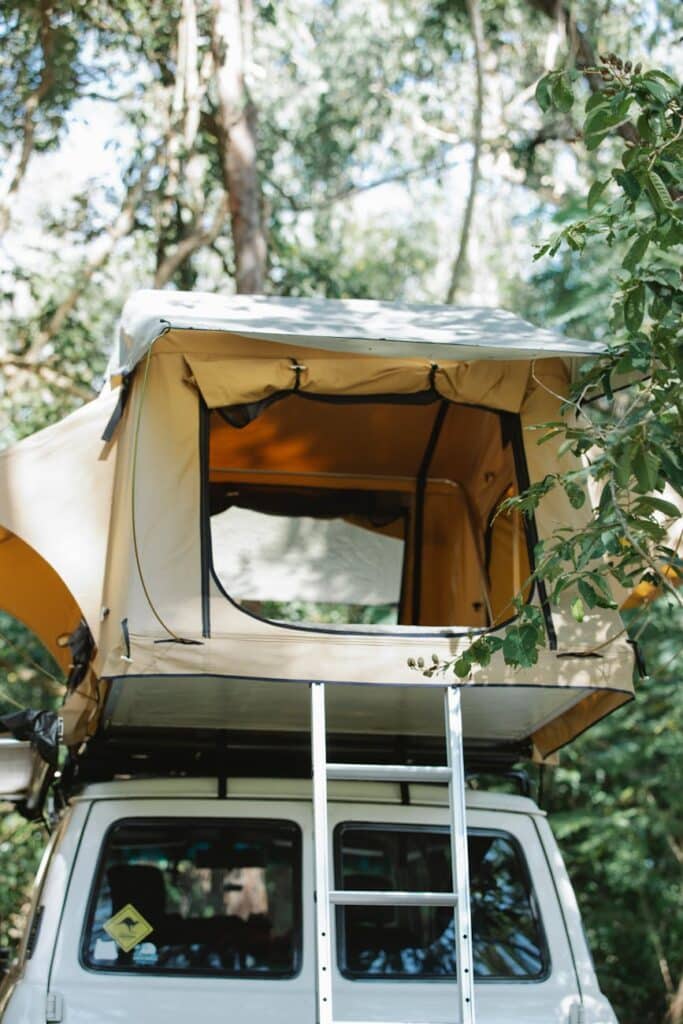
A Serengeti Safari Guide on a budget requires careful consideration of these factors.
Accommodation Options: From Camping to Lodges
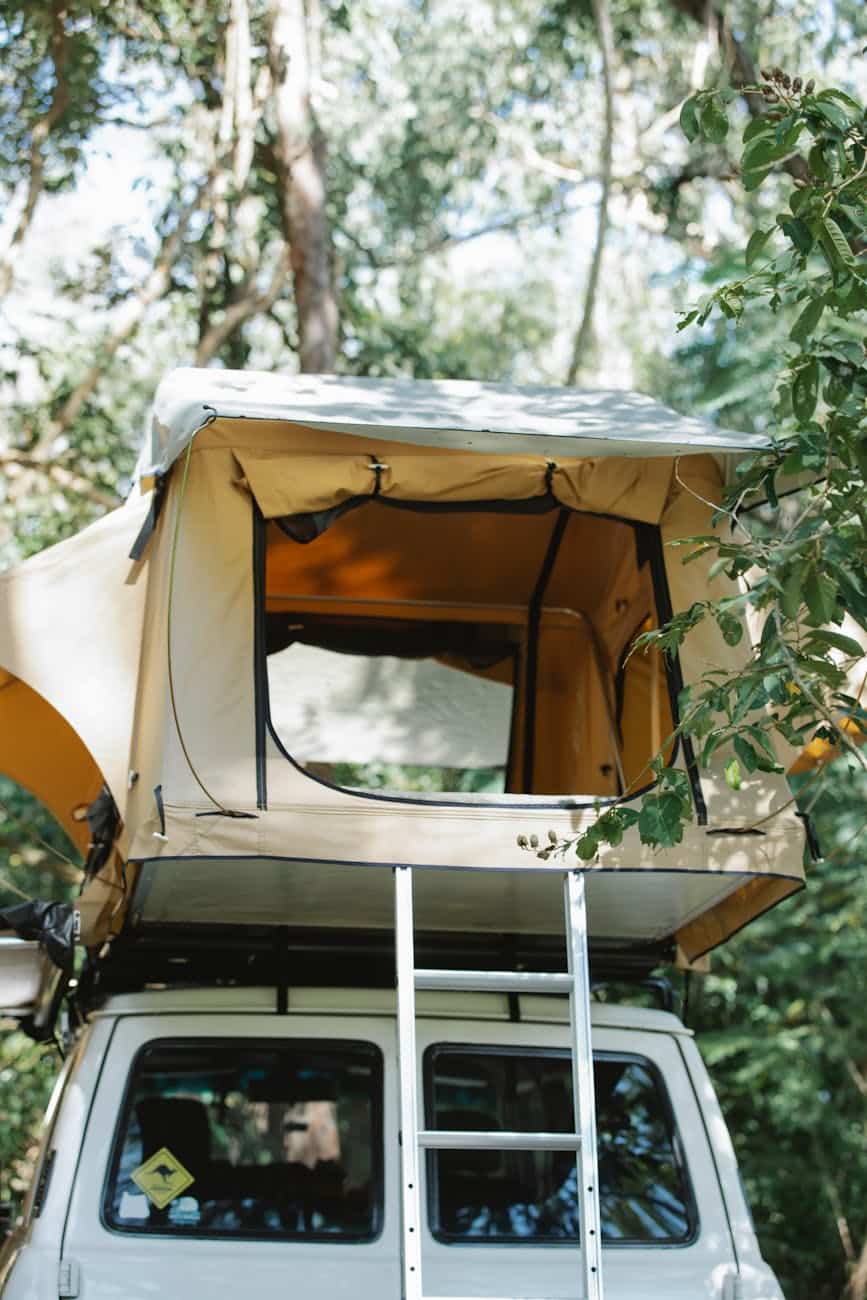
Budget Safari Tent Camp Experience
For the most budget-friendly option, consider staying in a public or private campsite. Public campsites are very affordable, but offer minimal facilities. Private campsites, often associated with mobile safari operators, provide more amenities like showers and toilets. A Budget safari tent camp offers an immersive experience, allowing you to fall asleep to the sounds of the African bush. Expect basic but comfortable accommodations, and a truly unforgettable connection with nature. Serengeti National Park
Mid-Range Lodges & Tented Camps
If you’re willing to spend a little more, mid-range lodges and tented camps offer a comfortable balance of affordability and amenities. These options typically include en-suite bathrooms, comfortable beds, and on-site restaurants. Look for lodges located slightly outside the central Serengeti, as they tend to be less expensive. Consider options in areas like the northern or western corridors for potential savings.

Transport & Game Drives: Keeping Costs Down
Joining a Group Safari
One of the most effective ways to reduce safari costs is to join a group tour. Sharing the cost of transport, guide fees, and park entrance fees significantly lowers the individual expense. Group safaris typically operate with 6-8 people, offering a sociable and cost-effective way to explore the Serengeti. Research different tour operators and compare itineraries and prices carefully.
Budget Jeep Safari Options
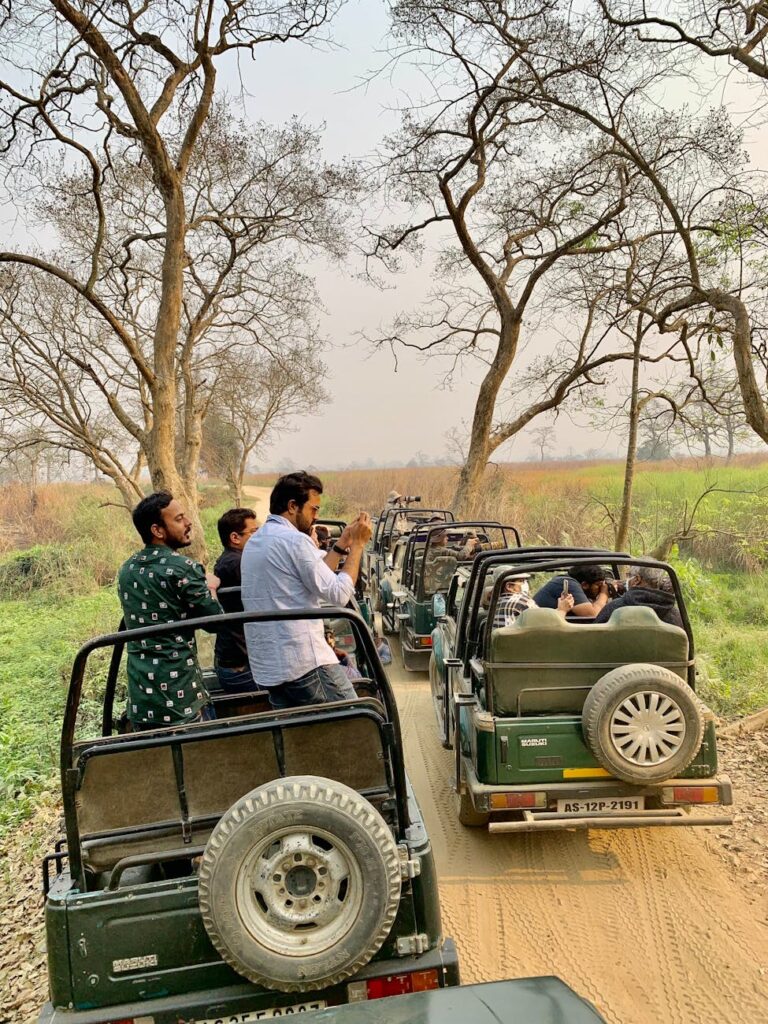
A Budget jeep safari doesn’t mean compromising on the game viewing experience. Many operators offer affordable safari vehicles, often Land Cruisers or Land Rovers, with pop-up roofs for optimal wildlife viewing. Ensure the vehicle is well-maintained and equipped with necessary safety features. Negotiate the price and confirm what’s included in the package, such as park fees, guide fees, and meals.
Self-Driving (For Experienced Adventurers)
For experienced off-road drivers, self-driving is a viable option, offering maximum flexibility and control over your budget. However, it requires careful planning, a reliable 4×4 vehicle, and a thorough understanding of the Serengeti’s terrain and wildlife. Park entrance fees still apply, and you’ll need to be self-sufficient in terms of navigation and wildlife spotting. This is not recommended for first-time safari goers.
Food & Drink: Affordable Safari Meals
Packed Lunches & Picnic Style Dining
Eating at lodges and restaurants within the Serengeti can be expensive. Opt for packed lunches provided by your tour operator or prepare your own picnic-style meals if you’re self-driving. This is a significant cost-saver, and allows you to enjoy meals in scenic locations within the park. Ensure your food is securely stored to prevent attracting wildlife.
Finding Affordable safari meals is key to sticking to your budget. Tanzania National Parks Authority
Choosing Accommodation with Included Meals
Some lodges and campsites offer packages that include meals, which can be a convenient and cost-effective option. Compare the cost of accommodation with and without meals to determine the best value. Be sure to inquire about the type of meals offered and whether they cater to dietary restrictions. Drinking water is essential, so factor in the cost of bottled water or bring a water filter.
Maximising Your Serengeti Experience on a Budget
A Serengeti Safari Guide on a budget isn’t about sacrificing quality; it’s about smart planning and making informed choices. Consider focusing on specific areas of the Serengeti that align with your interests. The central Seronera region is renowned for its year-round wildlife, while the southern plains are best for witnessing the calving season (January-March). The northern Serengeti offers spectacular views of the Great Migration river crossings (July-October).
Don’t underestimate the value of a knowledgeable guide. A good guide can significantly enhance your safari experience, helping you spot wildlife, understand animal behaviour, and learn about the Serengeti’s ecosystem. Look for guides with extensive experience and a passion for wildlife conservation. Remember to pack essential items like binoculars, sunscreen, a hat, insect repellent, and comfortable walking shoes.
Final Thoughts on Serengeti Safari Guide on
Embarking on a Serengeti safari doesn’t have to be a distant dream reserved for the wealthy. With careful planning, smart choices, and a willingness to embrace a more adventurous style of travel, you can experience the magic of the Serengeti on a budget. From choosing the right time to visit to opting for camping accommodation and joining a group tour, there are numerous ways to reduce costs without compromising on the quality of your experience.
The Serengeti awaits! Start planning your unforgettable adventure today and discover the breathtaking beauty and incredible wildlife of this iconic African destination. Don’t delay – the plains are calling, and a world of wonder is ready to be explored. Book your Serengeti Safari Guide on a budget now and create memories that will last a lifetime!
Frequently Asked Questions
How can I experience a Serengeti safari on a truly tight budget?
Focus on group joining safaris, camping instead of lodges, and traveling during the shoulder seasons (March-May & November). Consider a shorter safari duration (3-4 days) and prioritize the central Serengeti for wildlife viewing. Self-driving is possible but requires a 4×4 and careful planning; it’s generally cheaper but less comfortable and you miss out on a guide’s expertise.
What’s the difference between a ‘budget’ and a ‘luxury’ Serengeti safari, and what am I sacrificing?
Luxury safaris involve staying in high-end lodges, private game drives with experienced guides, and often include extras like hot air balloon rides. Budget safaris typically mean camping, shared game drives in larger vehicles, and simpler meals. You’ll sacrifice comfort, privacy, and potentially some of the in-depth knowledge a dedicated guide provides, but you’ll still see incredible wildlife!
Are there any hidden costs I should be aware of when planning a budget Serengeti safari?
Yes! Park fees are significant (currently around $82.60 per adult per day), and these aren’t always included in the initial safari quote. Also factor in tips for your guide and cook (essential!), visa costs, international flights, travel insurance, drinks (especially bottled water), and potential costs for optional activities like visiting a Maasai village. Budget at least $10-20/day for tips.
Is it safe to camp in the Serengeti?
Generally, yes, but only within designated campsites which are patrolled by park rangers. Predators are present, so you *must* follow all campsite rules, including not wandering around alone at night and keeping food securely stored. Reputable safari operators will provide experienced cooks and guides who are well-versed in safety protocols.
What’s the best time of year to go on a budget Serengeti safari for good wildlife viewing?
The shoulder seasons (March-May and November) offer a good balance of reasonable prices and decent wildlife viewing. March-May sees the tail end of the rainy season, with lush landscapes and fewer crowds. November is just before the peak season, with migratory herds starting to gather. Avoid the peak seasons (June-October & December-February) as prices are significantly higher.