Planning a once-in-a-lifetime African adventure? These Tanzania Safari FAQs will help you prepare for an unforgettable wildlife experience with Musabi Serengeti Safaris.
Whether exploring Serengeti, Ngorongoro Crater, Tarangire, or Lake Manyara, this complete guide answers your most important Tanzania safari questions.
Tanzania offers great safaris all year.
Best times by season:
| Months | Experience |
|---|---|
| June – October | Peak wildlife sightings & Great Migration |
| December – March | Baby animals everywhere |
| April – May | Low crowds + best value |
Top parks for your safari:
✔ Lions, elephants, giraffes
✔ Big Five (lion, leopard, elephant, buffalo, rhino)
✔ Hippos, zebras, cheetahs & more!
Yes, Tanzania is among the safest in Africa.
We provide professional guides + 24/7 support on safari.
Wear:
Neutral colors: beige, olive, khaki
Layers for temperature changes
Avoid: bright neons + camouflage clothing
A Tanzania safari price depends on season, number of days, and accommodation.
Average cost for a quality safari:
| Type | Price per person per day |
|---|---|
| Luxury Safari | $450 – $1,200+ |
| Mid-Range | $350 – $600 |
| Budget Camping | $200 – $350 |
Private safaris give more flexibility and a better experience.
The Great Wildebeest Migration is the largest animal movement on Earth — over 1.5 million wildebeest and zebras.
Best viewing times:
June – July: Grumeti river crossings
August – October: Mara River crossings in Northern Serengeti
January – March: Calving season in Southern Serengeti
Many tourists travel ONLY for the Migration — book early!
You can choose from:
Luxury lodges & tented camps
Mid-range lodges
Budget camping with tents
Mobile migration camps (follow the herds!)
All include full board meals, bottled water & daily game drives.
Yes, most of our packages include delicious meals. You’ll enjoy traditional desert cuisine prepared fresh at campsites, as well as snacks during your journey
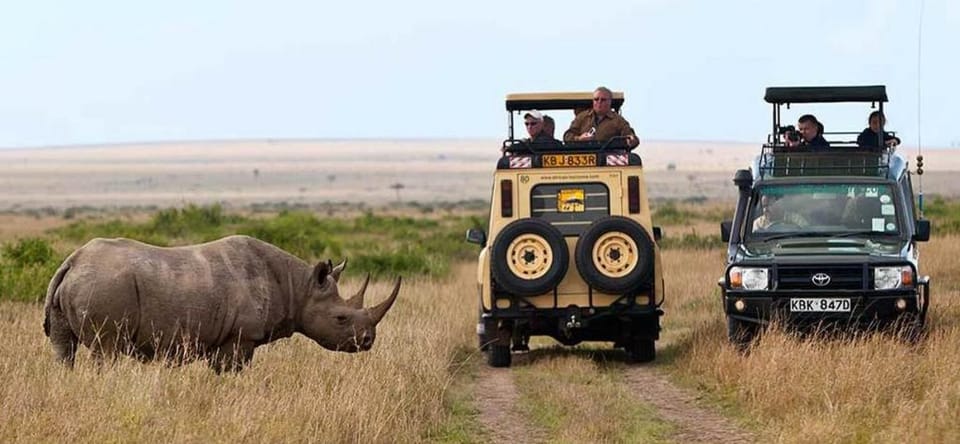
You’ll explore the parks in a 4x4 safari Land Cruiser with a pop-up roof for photography.
Typical schedule:
Morning game drive 8:00 – 12:00
Afternoon game drive 15:00 – 18:00
Each day → new landscapes + new wildlife!
Yes — tipping is standard in East Africa.
Guideline:
Safari guide: $15 – $25 per person/day
Cook (if camping): $10 per person/day
Hotel staff: $2 – $5 per day
Bring small USD bills (clean & recent
Visit during:
Green Season (April–May)
Remote parks: Ruaha & Nyerere (Selous)
Private conservancies in Serengeti
You’ll get better photographs too!
Yes — we arrange:
Vegan / Vegetarian
Gluten-free
Halal
Allergy-specific diets
Just tell us in advance — easy!
Most safaris are suitable for all ages, but certain activities, like dune bashing, may have age limits. Our team can recommend the best options for your group
Lightweight, neutral-colored clothing
Binoculars & camera gear
Sunglasses, hat, sunscreen
Travel documents & insurance
Snacks & water bottle
Safari is mostly vehicle-based, minimal walking
Optional short walks or hiking in some parks
Basic fitness is sufficient for most travelers
Most lodges/parks guarantee sightings over 3+ days
Serengeti + Ngorongoro are best for Big Five
Private guides know the best spots
Contact a reputable tour operator (like Musabi Serengeti Safaris)
Choose your dates, parks & accommodation type
Confirm travel insurance & health requirements
Pay deposit → receive booking confirmation
Yes — we organize women-only or solo traveler groups.
Safe accommodations
Experienced female guides upon request
Great networking with fellow travelers
Yes!
Luxury lodges with private suites
Romantic picnic setups on game drives
Evening bush dinners
Yes — many clients do multi-adventure trips:
3–5 days safari in Serengeti & Ngorongoro
5–7 days Kilimanjaro climb
Travel insurance & logistics handled by Musabi
Lightweight casual clothing
Smart casual for dinners in lodges
Travel adapters & chargers
Musabi Serengeti Safaris uses:
Custom-built 4x4 Land Cruisers
Pop-up roof for 360° wildlife views
Charging ports for cameras & phones
Cooler box with drinks
Window seats for every guest
Comfortable and perfect for photographers 📸
✔ Customize your pace
✔ Choose park routes
✔ Stop for photos anytime
✔ Perfect for couples, families & photographers
Private safari = best value for your money.
YES — most travelers do!
Example itinerary:
5 days Serengeti + Ngorongoro
4 days Zanzibar beach relaxation
Ideal for honeymooners 🏝️💍
No special gear is required. Wear comfortable clothing, bring sunscreen, sunglasses, and a hat. We provide all necessary equipment for safari activities
Daytime: 20–28°C (68–82°F)
Early morning & evening: 10–15°C (50–59°F)
Nights can be chilly, especially in Ngorongoro & highlands
Tips for photographers:
Bring DSLR or mirrorless camera
Use telephoto lens 200–400mm
Shoot early morning or late afternoon (golden hour)
Keep ISO low for sharp photos
Absolutely! Many lodges provide:
Family tents & suites
Kids’ safari activities (animal tracking, painting)
Private vehicles for family comfort
Yes — Musabi Serengeti Safaris specializes in tailor-made trips:
Honeymoon packages
Photography tours
Adventure or family safaris
Combination with Zanzibar beach holiday
Always stay in the vehicle unless allowed
Do not feed or touch animals
Keep noise to a minimum
Listen to your guide at all times
Yes, but sightings depend on season & park
Serengeti is the best for wild dogs
Private guides help locate rare animals
Use mosquito repellents & long sleeves
Sleep under bed nets
Take prescribed anti-malarial medication
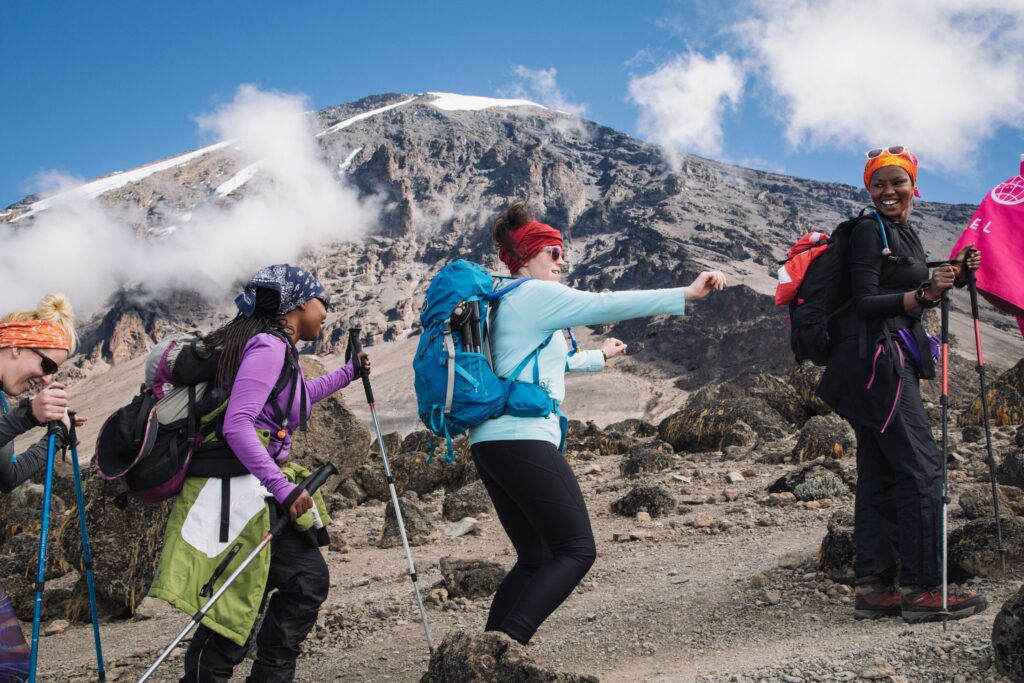
Yes! Many travelers combine their Serengeti, Ngorongoro, or Tarangire safari with a Mount Kilimanjaro climb for the ultimate Tanzanian adventure.
Typical itinerary:
4–5 days safari in Serengeti & Ngorongoro
5–7 days Kilimanjaro climb (choose Machame, Lemosho, Rongai, or Marangu routes)
You’ll experience wildlife, cultural tours, and the summit in one trip.
Musabi Serengeti Safaris handles all logistics: park permits, guides, porters, and transportation
Moderate fitness is recommended.
Cardiovascular training (hiking, running, cycling) helps.
Strength training for legs, core, and back is beneficial.
Our guides walk at a slow “pole pole” pace to aid acclimatization and increase summit success.
Essential Kilimanjaro gear includes:
Waterproof trekking boots & gaiters
Layered clothing: base, mid, and outer layers
Warm gloves, hat, and scarf
Sleeping bag rated for -10°C to -15°C
Daypack for water, snacks, and camera
Musabi provides a detailed pre-departure checklist and can advise on rentals if needed.
Yes, high-altitude sickness can occur above 3,000m.
Symptoms: headaches, nausea, fatigue.
Prevention: proper acclimatization, slow pace, hydration, and optional Diamox medication.
Musabi guides monitor your health daily and provide advice on safe ascent strategies.
Recommended vaccines: Yellow Fever (if arriving from endemic areas), Hepatitis A & B, Typhoid, Tetanus.
Pre-climb medical assessment is advised, especially for cardiovascular or respiratory conditions.
Travel insurance covering high-altitude trekking is mandatory.
Families: shorter Kilimanjaro routes (Marangu / Rongai) are more manageable for kids >10.
Solo travelers: guided groups or private climbs available for safety & support.
Women-only groups can also be arranged.
Train physically 6–8 weeks before departure
Pack layered clothing & proper footwear
Stay hydrated & follow guides’ instructions
Combine safari + mountain adventure for the best of wildlife + high-altitude experience
Discover how to combine a Tanzania safari with a Mount Kilimanjaro trek. Get expert tips on routes, fitness, gear, altitude sickness, and booking for an unforgettable wildlife and mountain adventure
Tap water quality varies by location. In most safari lodges and hotels, provided water is bottled or filtered and safe to drink.
English and Swahili are official languages. Learning a few Swahili greetings like “Jambo” (hello) and “Asante” (thank you) is appreciated by locals.
Yes. Many travelers combine a safari in Maasai Mara, Amboseli, or Tsavo with a relaxing beach stay in Diani Beach, Watamu, or Zanzibar for a perfect wildlife-and-beach experience.
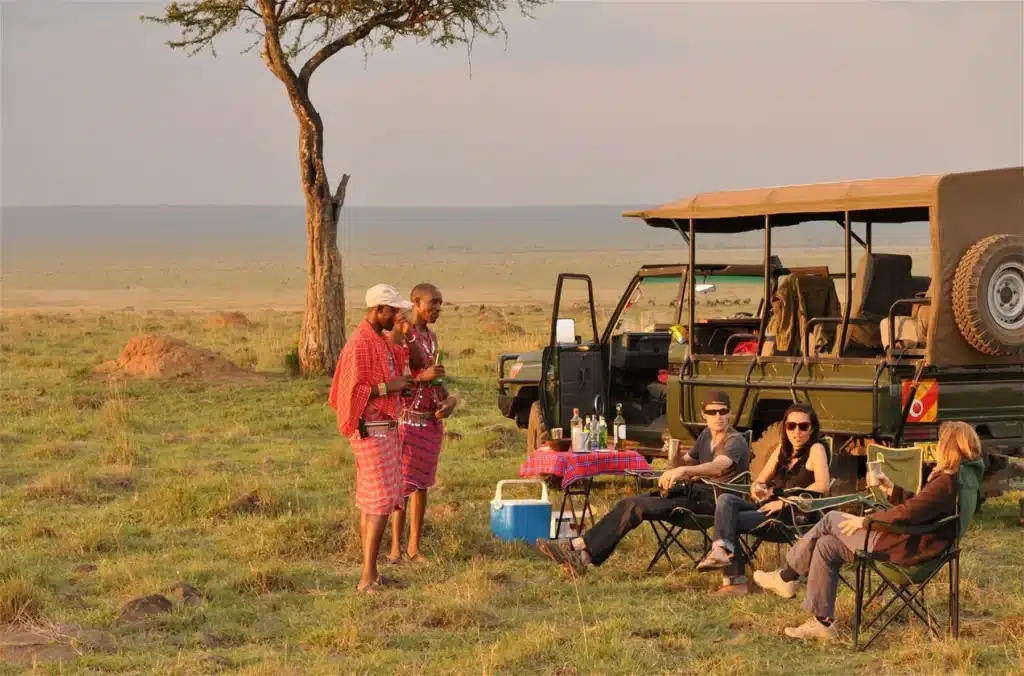
Yes — most visitors must obtain an Electronic Travel Authorisation (eTA) before arrival. It’s done online and should be secured before your trip.
Consult your doctor 4–6 weeks before travel for malaria prevention and recommended shots. A yellow fever certificate may be required if you’ve been in risk countries.
The dry season (June–October) is generally best for wildlife viewing, including the Great Migration in Maasai Mara. Short dry periods in January–February also offer good sightings.
Light, neutral-coloured clothing, a hat, sunscreen, insect repellent, sturdy shoes, binoculars, camera, and layers for cool mornings are essential. Safari vehicles and light aircraft often have strict luggage limits.
The Kenyan Shilling (KES) is the local currency. US Dollars are accepted in some places, and credit cards are widely used in cities and lodges.
Kenya is generally safe in major parks and tourist routes when you stay in groups, use reputable operators, and avoid displaying valuables — especially in big cities at night.
Tipping isn’t obligatory but is customary. Guides and lodge staff typically receive tips; recommended amounts vary by service and location.
Safari options range from basic camping to luxury tented camps and lodges, depending on your budget and itinerary.
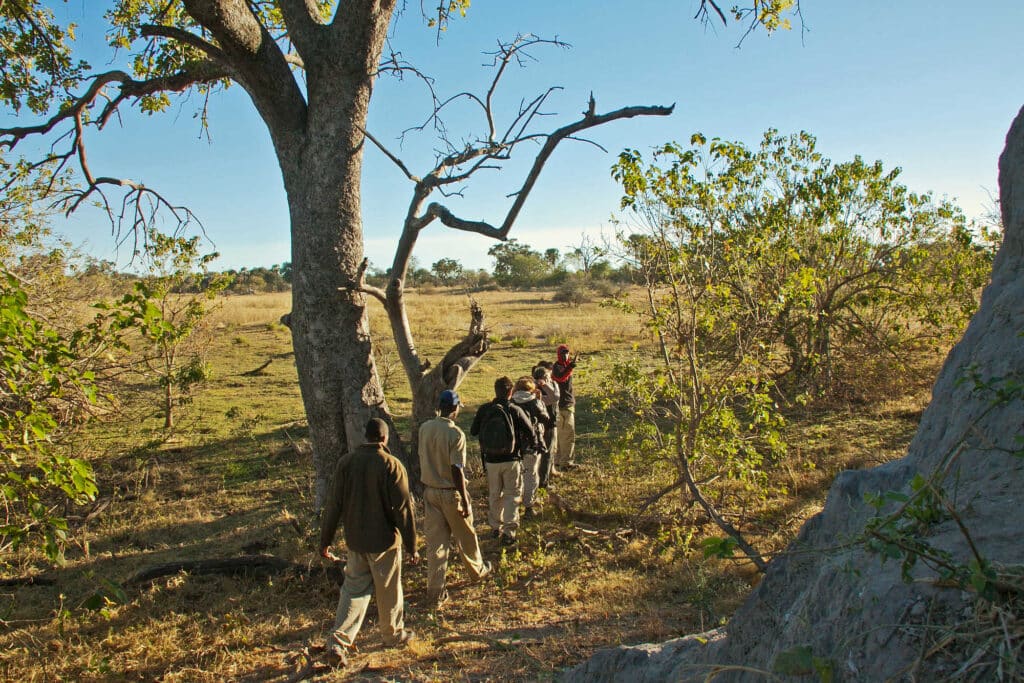
Most travelers can get a visa on arrival or apply online before travel. Rwanda is visa-friendly for many nationalities.
Rwanda is famous for mountain gorilla trekking, beautiful green landscapes, and being one of the cleanest and safest countries in Africa.
The best time is during the dry seasons: June–September and December–February, especially for gorilla trekking and wildlife viewing.
Yes. Gorilla trekking is very safe and well-organized, led by trained guides and park rangers in Volcanoes National Park.
Trekking difficulty varies from easy to challenging depending on the gorilla family’s location. A reasonable fitness level is recommended.
Plan My Safari