Table of Contents Whether you’re planning your first visit or returning to explore more, Top National Parks in Tanzania Guide is an experience unlike any other.
- Top National Parks in Tanzania: A Complete Guide
- Understanding Tanzania’s National Park System
- Serengeti National Park: Witness the Great Migration
- Ngorongoro Conservation Area: A Natural Wonder
- Tarangire National Park: Elephant Paradise
- Lake Manyara National Park: Birdwatcher’s Delight
- Ruaha National Park: Tanzania’s Hidden Gem
- Final Thoughts on Top National Parks in
Top National Parks in Tanzania: A Complete Guide: Top National Parks In Tanzania Guide
Top National Parks in Tanzania offer some of the most incredible wildlife viewing opportunities on the planet. From the Great Migration to the majestic Kilimanjaro, Tanzania is a dream destination for safari enthusiasts and nature lovers alike. This comprehensive guide will walk you through the best parks, what to expect, and how to plan your unforgettable Tanzanian adventure.
Understanding Tanzania’s National Park System
Tanzania boasts a remarkably well-developed national park system, protecting a vast array of ecosystems and wildlife. These parks are managed by the Tanzania National Parks (TANAPA) authority, ensuring conservation and sustainable tourism. Understanding the different park offerings is crucial for planning the perfect safari. Each park has unique characteristics, from landscapes to resident animal populations.
Park Fees and Permits
Entry fees to Tanzanian national parks vary depending on the park and the time of year. Expect to pay anywhere from $50 to $80 per person per day, with higher fees for parks like the Serengeti and Ngorongoro Crater. It’s essential to factor these costs into your budget. Permits are generally included in your park fees, but confirm this with your tour operator.
Best Time to Visit
The dry season (June to October) is generally considered the best time for wildlife viewing. Animals congregate around remaining water sources, making them easier to spot. The Great Migration is also typically in full swing during this period. However, the green season (November to May) offers lush landscapes and fewer crowds, with excellent birdwatching opportunities. Tanzania National Parks Authority
Serengeti National Park: Witness the Great Migration
The Serengeti is arguably the most famous of the Top National Parks in Tanzania, and for good reason. It’s renowned for the Great Migration, where millions of wildebeest, zebras, and gazelles journey across the plains in search of fresh grazing. This spectacular event is a truly unforgettable sight.
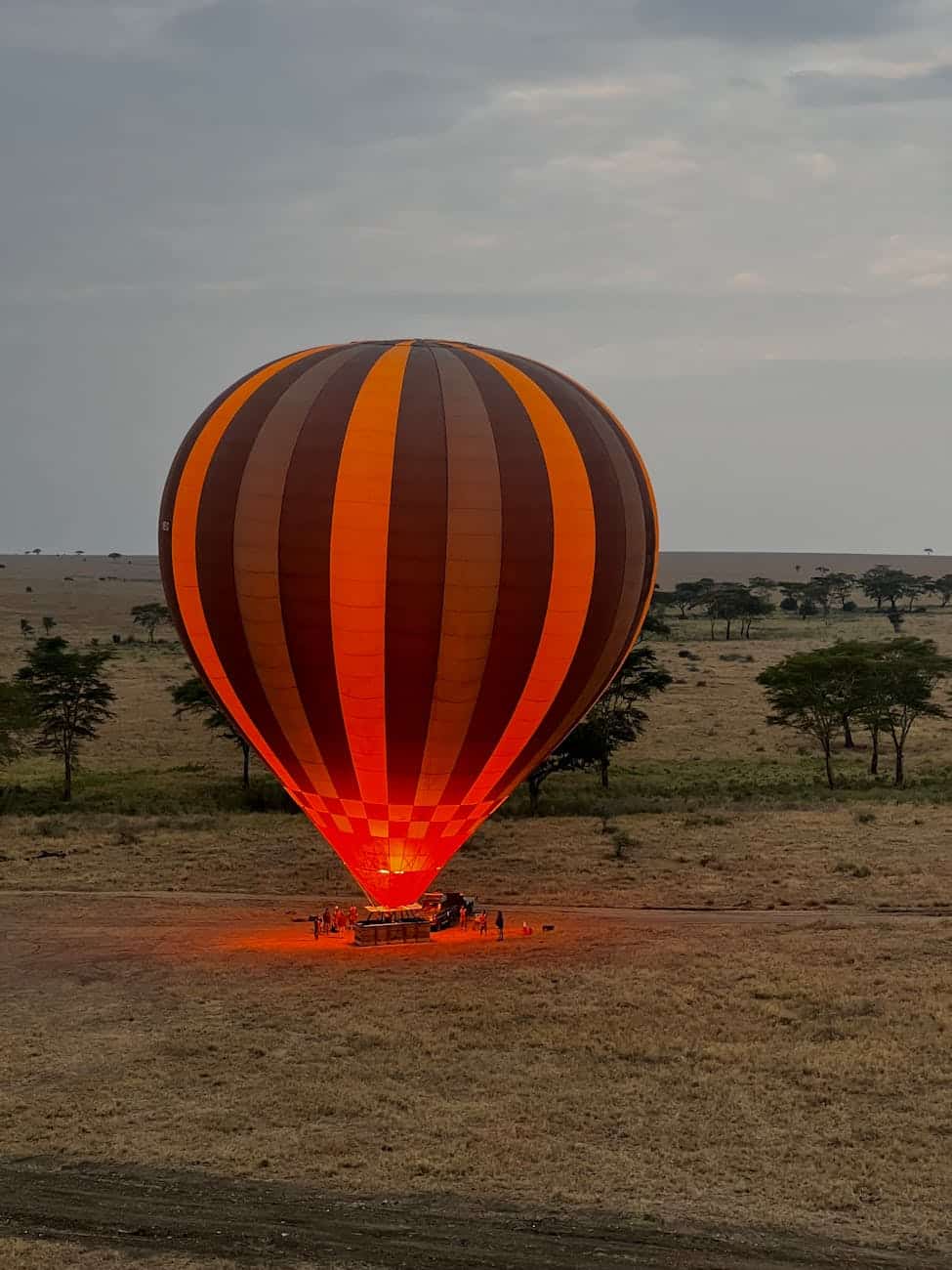
(Serengeti sunrise overview)
What to Expect in the Serengeti
Expect vast open plains, acacia woodlands, and the chance to see the “Big Five” – lions, elephants, leopards, rhinos, and buffalo. The Serengeti offers a range of accommodation options, from luxury lodges to mobile campsites. Game drives are the primary activity, but hot air balloon safaris are also popular.
Migration Patterns & Optimal Viewing
The migration is a year-round event, but its location changes constantly. From December to March, the herds are typically in the southern Serengeti, calving season. Between April and May, they move towards the central Serengeti. June to October sees them heading north, often crossing the Mara River. Knowing the migration patterns will help you maximize your wildlife viewing experience.
Ngorongoro Conservation Area: A Natural Wonder
The Ngorongoro Conservation Area is a UNESCO World Heritage Site and home to the famous Ngorongoro Crater. This massive volcanic caldera is a haven for wildlife, offering a unique and concentrated safari experience. It’s consistently ranked among the Top National Parks in Tanzania due to its incredible biodiversity.
Exploring the Crater Floor
Descending into the crater is like entering a lost world. The crater floor supports a remarkable concentration of animals, including lions, elephants, rhinos, and flamingos. Game drives within the crater are limited in time to protect the environment, so plan accordingly. Tanzania Travel Guide
Beyond the Crater: Maasai Culture
The Ngorongoro Conservation Area is also home to the Maasai people, who live alongside the wildlife. Visiting a Maasai village offers a fascinating insight into their traditional culture and way of life. Respectful and responsible tourism is essential when interacting with local communities.
Tarangire National Park: Elephant Paradise
Tarangire National Park is known for its large elephant herds and iconic baobab trees. During the dry season, the Tarangire River becomes a vital water source, attracting animals from miles around. This park offers a more off-the-beaten-path safari experience.
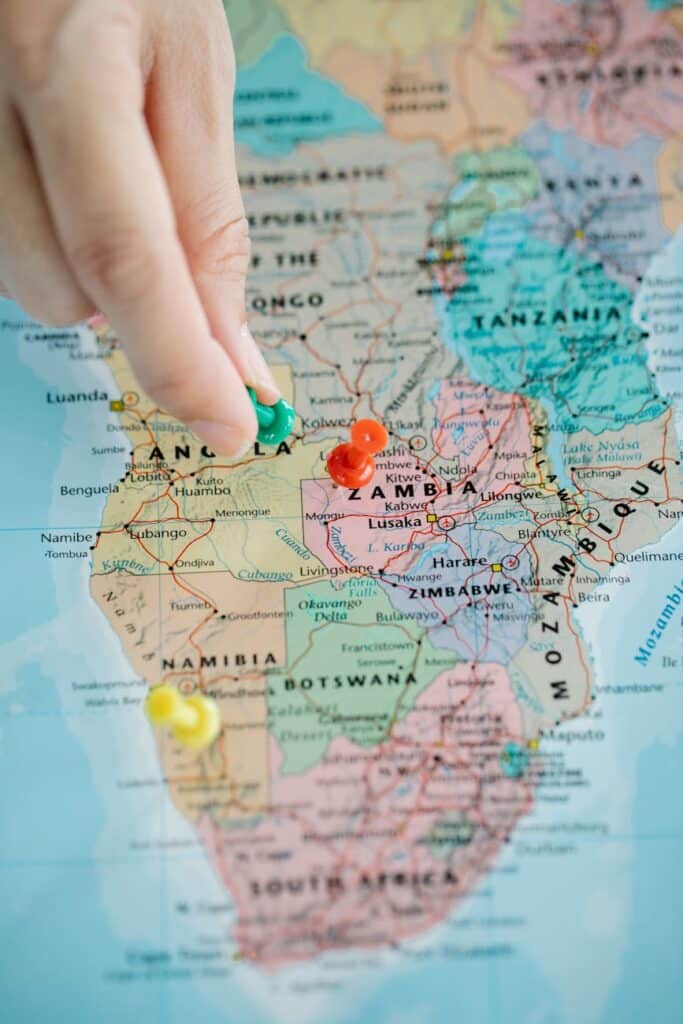
(Tanzania parks map)
Wildlife Highlights of Tarangire
Besides elephants, Tarangire is home to lions, leopards, giraffes, zebras, and a variety of bird species. The park’s landscape is diverse, ranging from grasslands to woodlands. Walking safaris are permitted in certain areas, offering a unique perspective on the bush.
Best Time to Visit Tarangire
The dry season (June to October) is the best time to visit Tarangire, as animals congregate around the river. This is also when you’re most likely to witness large elephant gatherings. The park is less crowded than the Serengeti and Ngorongoro Crater, making it a great option for those seeking a more peaceful safari.
Lake Manyara National Park: Birdwatcher’s Delight
Lake Manyara National Park is a relatively small park, but it packs a punch in terms of wildlife diversity. It’s famous for its tree-climbing lions, large flocks of flamingos, and lush groundwater forest. It’s a fantastic addition to any Tanzanian safari itinerary. Many consider it one of the Top National Parks in Tanzania for its unique charm.
Exploring the Lake and Forest
The park’s landscape is dominated by the alkaline Lake Manyara and a dense groundwater forest. Game drives, birdwatching walks, and canoe safaris are popular activities. The lake attracts a wide variety of birdlife, including pelicans, storks, and cormorants.
Tree-Climbing Lions: A Unique Spectacle
Lake Manyara is renowned for its tree-climbing lions, a behavior that is not commonly observed elsewhere. These lions often spend their days resting in the branches of acacia trees, providing a unique photographic opportunity. While sightings aren’t guaranteed, the possibility adds to the park’s allure.
Ruaha National Park: Tanzania’s Hidden Gem
Ruaha National Park is Tanzania’s largest national park and one of its best-kept secrets. It’s a remote and wild destination, offering a truly authentic safari experience. It’s less crowded than the more popular parks, making it ideal for those seeking solitude and adventure.
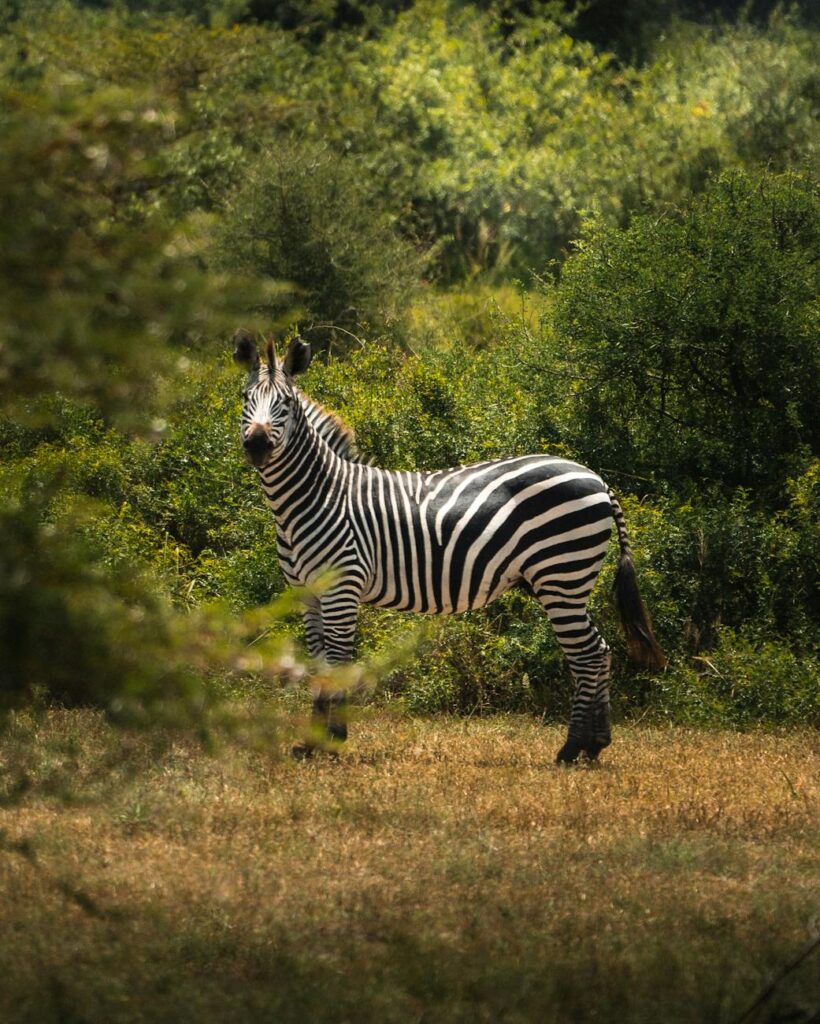
(Wildlife collage Tanzania)
Wildlife Abundance in Ruaha
Ruaha boasts a high concentration of elephants, lions, leopards, and wild dogs. It’s also home to a variety of antelope species and over 500 bird species. The park’s landscape is rugged and diverse, with rocky outcrops, miombo woodlands, and the Great Ruaha River.
Remote Safari Experience
Ruaha is a more challenging park to access, requiring a flight or a long drive. However, the effort is well worth it for those seeking a truly wild and unspoiled safari experience. Accommodation options range from luxury lodges to basic campsites. This is a park where you can truly disconnect from the world and immerse yourself in nature.
Final Thoughts on Top National Parks in
Tanzania’s Top National Parks in offer an unparalleled safari experience. From the iconic Serengeti to the hidden gem of Ruaha, there’s a park to suit every taste and budget. Careful planning, a reputable tour operator, and a respect for the environment are essential for a successful and memorable safari.
Don’t just dream about an African safari – make it a reality! Tanzania awaits with its incredible wildlife, stunning landscapes, and unforgettable adventures. Start planning your trip today and discover the magic of Tanzania’s national parks. Explore the possibilities, book your safari, and prepare to be amazed by the wonders of the African wilderness!
Frequently Asked Questions
What are the “Big Five” and where can I reliably see them in Tanzania’s National Parks?
The “Big Five” – Lion, Leopard, Elephant, Rhino, and Buffalo – are iconic African wildlife. Serengeti National Park and Ngorongoro Conservation Area offer the highest chances of seeing all five. The Serengeti is renowned for its lion and leopard populations, while the Ngorongoro Crater concentrates wildlife, increasing your odds of spotting the elusive rhino. Tarangire National Park is excellent for elephants and buffalo.
What is the best time of year to visit Tanzania’s National Parks for wildlife viewing?
The dry season (June to October) is generally considered the best time for wildlife viewing. Vegetation is sparse, making animals easier to spot, and they congregate around remaining water sources. The Great Migration is also typically in full swing during this period. However, the “green season” (November to May) offers lush landscapes and fewer crowds, with good birdwatching opportunities.
How much does a safari in Tanzania’s National Parks typically cost?
Safari costs vary greatly depending on the level of luxury, duration, and parks visited. Budget safaris can start around $200-$350 per person per day, while mid-range safaris range from $350-$700 per person per day. Luxury safaris can easily exceed $700+ per person per day. Costs generally include park fees, accommodation, transport, and a guide.
What are the key differences between the Serengeti and the Ngorongoro Crater?
The Serengeti is a vast, open grassland plain, offering a classic safari experience with the chance to witness the Great Migration. It’s about space and scale. The Ngorongoro Crater is a unique, self-contained ecosystem within a volcanic caldera. It’s smaller but incredibly dense with wildlife, offering almost guaranteed sightings. The Crater is more concentrated, while the Serengeti is more expansive.
What vaccinations and health precautions should I take before visiting Tanzania?
Consult your doctor or a travel clinic well in advance of your trip (at least 6-8 weeks). Recommended vaccinations typically include Yellow Fever, Typhoid, Hepatitis A, and Polio. Malaria prophylaxis is *essential* in Tanzania’s National Parks. Also, ensure you have adequate travel insurance and pack insect repellent, sunscreen, and a first-aid kit.