
Table of Contents Whether you’re planning your first visit or returning to explore more, Zanzibar Spice Tour Guide is an experience unlike any other.
- Your Ultimate Zanzibar Spice Tour Guide
- Understanding Zanzibar’s Spice History
- What to Expect on a Spice Farm Zanzibar Tour
- Choosing the Right Zanzibar Spice Tour Guide & Farm
- Delving Deeper: Specific Spices and Their Uses
- Tips for Making the Most of Your Spice Tour
- Beyond the Spice Farms: Combining Your Tour with Other Activities
- Final Thoughts on Zanzibar Spice Tour Guide
Your Ultimate Zanzibar Spice Tour Guide
Planning a trip to Zanzibar? A Zanzibar Spice Tour Guide is essential for understanding the island’s rich history and fragrant landscape. Zanzibar, often called the “Spice Island,” has been a crucial trading hub for spices for centuries. This guide will provide you with expert tips, the best advice, and everything you need to know to make the most of your spice tour experience.
Understanding Zanzibar’s Spice History
The Importance of Spices to Zanzibar
For centuries, Zanzibar’s economy and culture have revolved around spices. Arab, Persian, Indian, and European traders all sought Zanzibar’s valuable commodities. Cloves, nutmeg, cinnamon, pepper, and vanilla were particularly prized. This demand shaped the island’s history, architecture, and even its cuisine.
From Plantation to Plate: A Historical Overview
The spice trade began to flourish in the 18th century, particularly with the introduction of cloves. Plantations sprung up across the island, often worked by enslaved people. Today, while the plantation system has changed, the legacy of spice cultivation remains deeply ingrained in Zanzibar’s identity. A Zanzibar Spice Tour Guide will often explain this complex history during your visit.
What to Expect on a Spice Farm Zanzibar Tour
A Sensory Experience
A Spice Farm Zanzibar Tour is a truly immersive experience. You’ll walk through lush plantations, learning about the origins, cultivation, and uses of various spices. Prepare to engage all your senses – smell, taste, touch, and sight. You’ll be encouraged to smell, taste, and even touch the plants, fruits, and spices. Zanzibar Tourism
Common Spices You’ll Encounter
Expect to encounter a wide variety of spices. Cloves are a major highlight, with their pungent aroma filling the air. You’ll also learn about nutmeg, cinnamon, pepper, vanilla, cardamom, and many others.
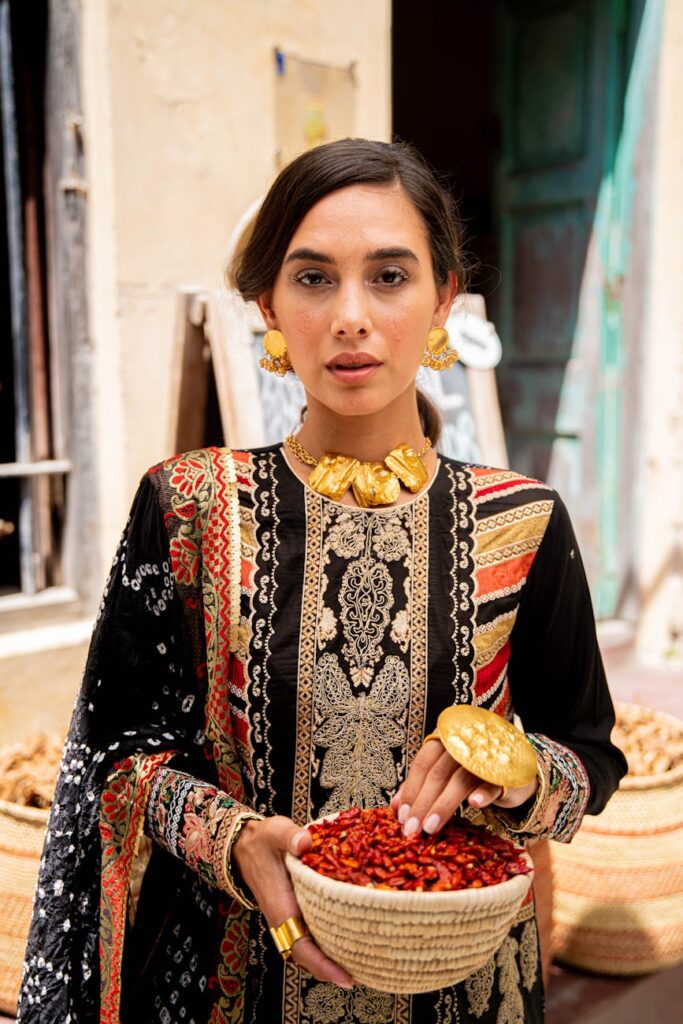
Many tours also showcase fruits like jackfruit, mango, and lemongrass. Don’t be surprised if you discover spices you’ve never even heard of!
Choosing the Right Zanzibar Spice Tour Guide & Farm
Types of Tours Available
Several types of spice tours are available, ranging from budget-friendly group tours to private, more personalized experiences. Group tours are a cost-effective option, while private tours allow for a more in-depth exploration and tailored experience. Consider your budget and preferences when making your choice. A good Zanzibar Spice Tour Guide will cater to your interests.
Factors to Consider When Selecting a Farm
Not all spice farms are created equal. Look for farms that prioritize sustainable practices and ethical treatment of workers. Read reviews online and ask for recommendations from your hotel or other travelers. Consider the farm’s location and accessibility. Some farms are closer to Stone Town, while others are further afield.
Delving Deeper: Specific Spices and Their Uses
The King of Spices: Cloves
Cloves are arguably the most iconic spice of Zanzibar.
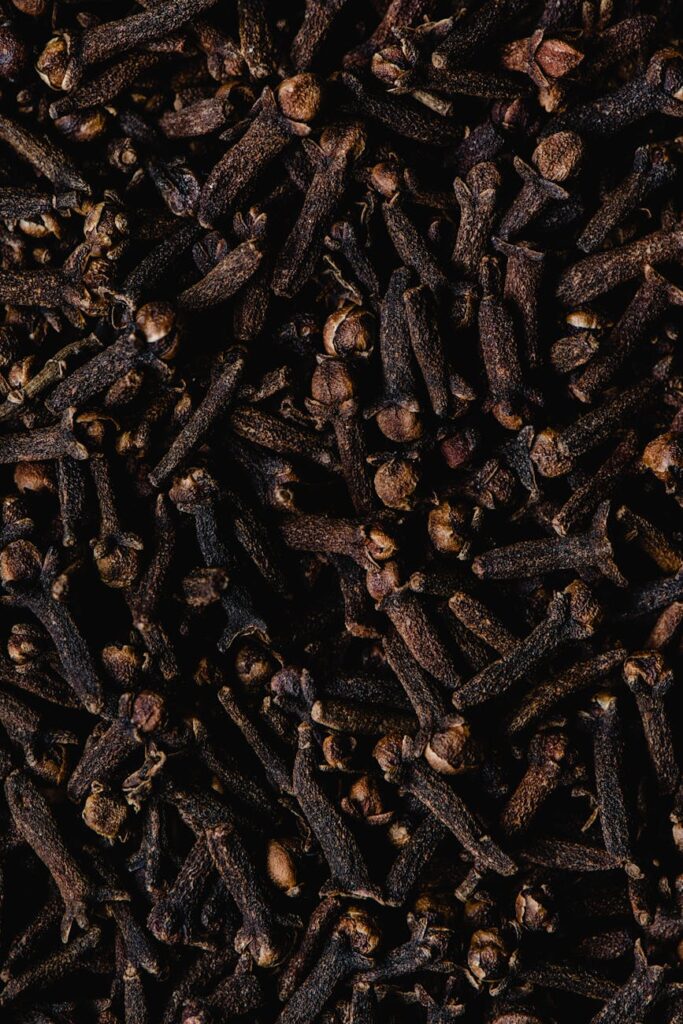
You’ll see vast fields of clove trees and learn about the harvesting process. Cloves are used in cooking, traditional medicine, and even as a natural insect repellent. The aroma of Cloves drying Zanzibar is a signature scent of the island.
The Queen of Spices: Vanilla
Vanilla is another highly valued spice, known for its delicate flavor and aroma. Vanilla orchids are hand-pollinated, making vanilla a relatively expensive spice. A visit to a Vanilla plantation Zanzibar will reveal the intricate process of vanilla cultivation. Vanilla is used extensively in desserts, perfumes, and aromatherapy. Tanzania Travel Guide
Beyond Cloves and Vanilla: Other Notable Spices
Don’t overlook the other spices you’ll encounter. Cinnamon adds warmth and sweetness to dishes. Nutmeg provides a subtle, nutty flavor. Pepper offers a spicy kick. Cardamom is used in both sweet and savory cuisine. Each spice has its unique history, cultivation methods, and culinary applications.
Tips for Making the Most of Your Spice Tour
What to Wear and Bring
Wear comfortable shoes, as you’ll be doing a fair amount of walking. Light, breathable clothing is recommended, as Zanzibar can be hot and humid. Bring sunscreen, a hat, and insect repellent. Don’t forget your camera to capture the vibrant colors and fragrant landscapes. A small backpack is useful for carrying water and other essentials.
Engaging with Your Guide and Asking Questions
Your Zanzibar Spice Tour Guide is a wealth of knowledge. Don’t hesitate to ask questions about the spices, their history, and their uses. Engage with your guide and show genuine interest in learning. This will enhance your experience and provide you with a deeper understanding of Zanzibar’s spice culture.
Many guides will also demonstrate traditional uses of the spices, such as creating natural dyes or medicines.
Haggling for Spices (and What to Expect)
At the end of the tour, you’ll likely have the opportunity to purchase spices. Haggling is common, but be respectful and polite. Start with a lower offer than you’re willing to pay and negotiate from there. Be aware of the quality of the spices and compare prices before making a purchase. Ensure the spices are properly packaged to maintain their freshness.
Beyond the Spice Farms: Combining Your Tour with Other Activities
Jozani Forest and Spice Farms
Many tours combine a spice farm visit with a trip to Jozani Forest, home to the rare red colobus monkeys. This offers a fantastic opportunity to experience Zanzibar’s diverse ecosystems. You can observe the monkeys in their natural habitat and learn about the forest’s unique flora and fauna.
Prison Island and Spice Farms
Another popular combination is a spice farm tour with a visit to Prison Island, also known as Changuu Island. Prison Island is home to giant tortoises and offers opportunities for snorkeling and swimming. This provides a well-rounded experience, combining cultural immersion with natural beauty.
Final Thoughts on Zanzibar Spice Tour Guide
A Zanzibar Spice Tour Guide is more than just a tour; it’s a journey into the heart of Zanzibar’s history, culture, and natural beauty. From the fragrant clove plantations to the delicate vanilla orchids, the Spice Island offers a sensory experience unlike any other. Understanding the significance of spices to Zanzibar will enrich your overall travel experience.
Don’t just read about the wonders of Zanzibar – experience them for yourself! Book your trip today and embark on an unforgettable adventure. Explore the spice farms, discover the hidden gems of Stone Town, and immerse yourself in the vibrant culture of this enchanting island. A Zanzibar Spice Tour Guide awaits to unlock the secrets of the Spice Island!
Frequently Asked Questions
What exactly *is* a Zanzibar Spice Tour?
A Zanzibar Spice Tour is a guided walk through a local spice farm where you’ll learn about the various spices, herbs, and fruits grown on the island. You’ll see, smell, and even taste many of them – including cloves, nutmeg, cinnamon, pepper, vanilla, and more! It’s a very sensory experience and a great way to understand Zanzibar’s history as a major spice trading hub.
How long does a typical Spice Tour last?
Most Spice Tours last between 2-3 hours. This includes the walk through the farm, demonstrations of how spices are used (like making rope from palm leaves), and time for tasting and asking questions. The exact duration can vary slightly depending on the specific farm and your guide.
What should I wear and bring on a Spice Tour?
Comfortable walking shoes are essential, as you’ll be walking through uneven terrain. Light, breathable clothing is recommended, as Zanzibar can be hot and humid. Don’t forget sunscreen, a hat, insect repellent, and a camera to capture the beautiful scenery and interesting spices! Bringing some cash is also a good idea for tipping your guide or purchasing spices directly from the farm.
Are Spice Tours suitable for children?
Yes, Spice Tours are generally suitable for children. The tours are educational and engaging, and most guides are happy to tailor the experience to younger audiences. However, the walk can be a bit long for very young children, so consider their stamina. It’s also good to be mindful of potential allergies when tasting the spices.
Can I purchase spices directly from the farm?
Absolutely! Most spice farms offer spices for sale, often at very reasonable prices. Buying directly from the farm supports the local community and ensures you’re getting fresh, high-quality spices. You can often bargain politely for a better price.